The Story
The journey of mtDNA haplogroup U5A2D4
Origins and Evolution
mtDNA haplogroup U5A2D4 is a derived subclade of U5A2D, itself a branch of the ancient European lineage U5A2. The broader U5 haplogroup is one of the oldest European maternal lineages, associated with Palaeolithic and Mesolithic hunter-gatherers. U5A2D likely emerged in northern or northeastern Europe after the Last Glacial Maximum, and U5A2D4 represents a later, more localized branching event within that northern European context. Based on phylogenetic position and comparisons with related subclades, U5A2D4 plausibly coalesced in the mid-Holocene (on the order of a few thousand years ago), reflecting continued maternal-line continuity among northern populations.
Subclades (if applicable)
At present, U5A2D4 appears to be a relatively deep-tip subclade with limited reported downstream diversity in published datasets and ancient DNA repositories. Where downstream variation exists, it tends to be rare and geographically restricted to northern and northeastern Europe. Because U5A2D4 is identified only in a small number of modern and ancient samples, it is possible that additional micro-subclades exist but remain undersampled; full mitogenome screening in larger regional datasets will clarify any internal structure.
Geographical Distribution
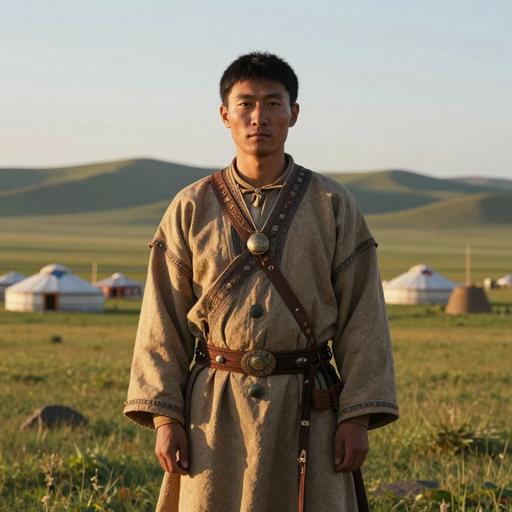
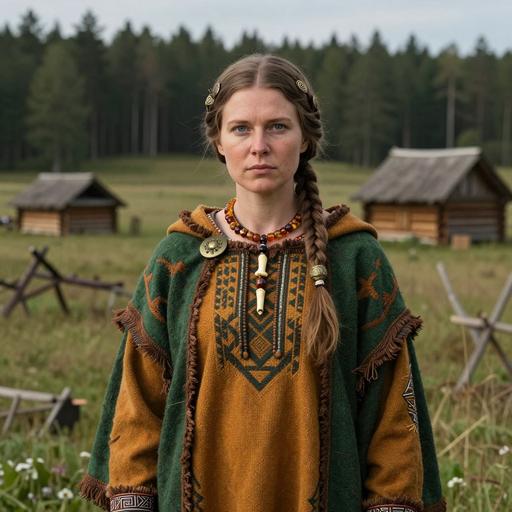
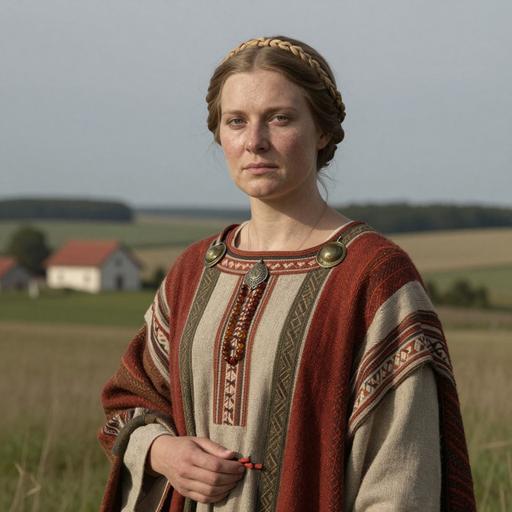
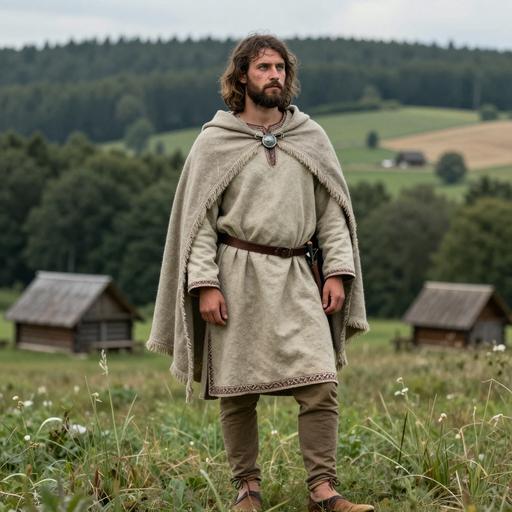
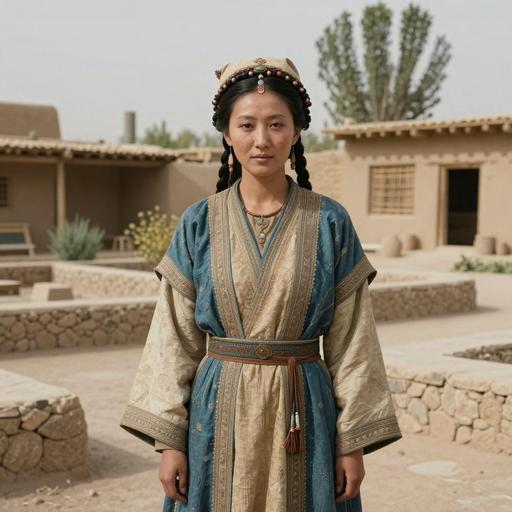
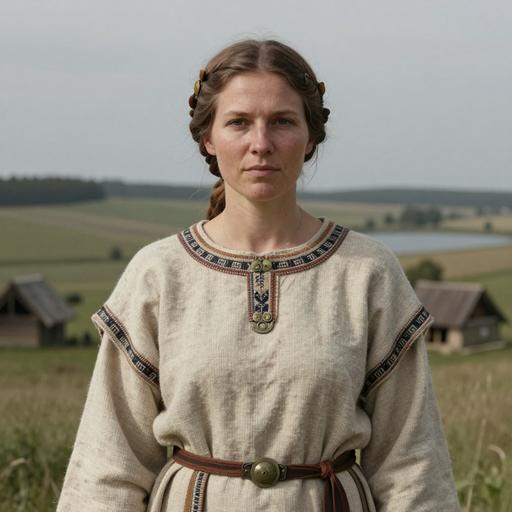
U5A2D4 shows a clear northern/northeastern European concentration with lower-frequency occurrences in neighboring regions. Modern and ancient occurrences are most consistent in Scandinavia and Fennoscandia (including the Saami), the Baltic region, and northwestern Russia. Lower-to-moderate frequencies occur in parts of Western and Central Europe, while isolated low-frequency occurrences have been reported from the Caucasus, pockets of Central Asia, and rare findings in North Africa — patterns consistent with episodic gene flow and long-distance movement rather than primary origin outside Europe. The haplogroup also appears in Mesolithic and later archaeological contexts in northern Europe, indicating long-term persistence of maternal lineages derived from hunter-gatherer populations.
Historical and Cultural Significance
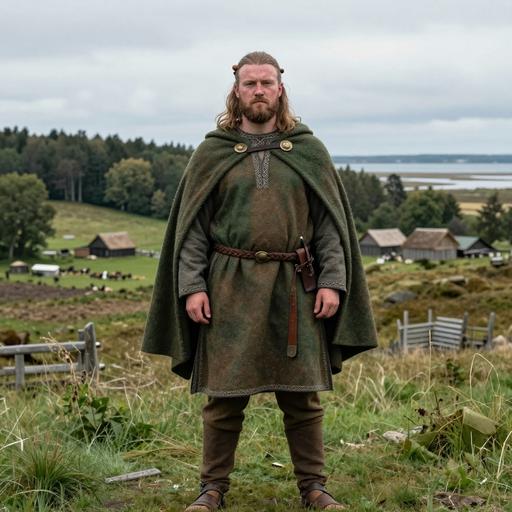
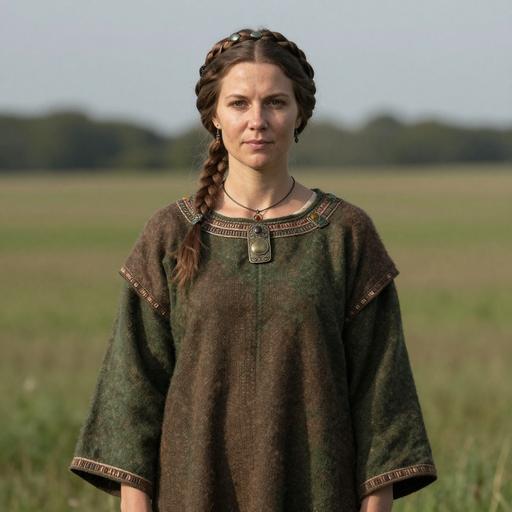
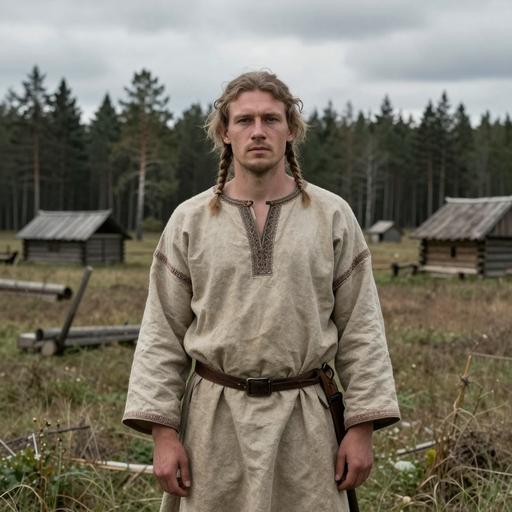
U5 lineages in general are strongly associated with European hunter-gatherers. U5A2D4, as a descendant of a postglacial northern branch, likely reflects maternal continuity in populations adapted to high-latitude environments. Its presence in the Saami and other Fennoscandian groups points to demographic continuity and/or regional isolation that preserved Mesolithic-derived maternal ancestry through the Neolithic and into historic periods. While U5 lineages decline in frequency in regions dominated by Neolithic farmers and later steppe-derived expansions, U5A2D4's persistence in northern populations illustrates how forager-derived maternal lineages can remain regionally prominent despite major cultural and genetic turnovers elsewhere in Europe.
Conclusion
U5A2D4 is best interpreted as a regional, northern European mtDNA lineage that descends from Mesolithic-derived maternal variation and that persisted into historic northern groups such as the Saami. Its relatively low overall frequency and patchy distribution outside Fennoscandia reflect both ancient demographic continuity in the north and subsequent dilution or limited dispersal in neighboring regions. Further full-mitogenome sampling and additional ancient DNA finds will refine its age, internal structure, and finer-scale geographic history.
Key Points
- Origins and Evolution
- Subclades (if applicable)
- Geographical Distribution
- Historical and Cultural Significance
- Conclusion