Menu
mtDNA Haplogroup • Maternal Lineage

U5A2D

mtDNA Haplogroup U5A2D

~7,000 years ago
Northern/Eastern Europe
3 subclades
47 ancient samples
Scroll to explore
Chapter I

The Story

The journey of mtDNA haplogroup U5A2D

Origins and Evolution

U5A2D is a subclade of mtDNA haplogroup U5A2, itself a branch of the deep European lineage U5a. Haplogroup U5a and its subclades are closely associated with post-Last Glacial Maximum re-expansion of human populations within Europe. U5A2D, as a derived branch of U5A2, most likely formed in Northern or Northeastern Europe during the later Mesolithic to early Neolithic timeframe (roughly ~7 kya, though confidence intervals allow a few thousand years either direction). The timing and phylogenetic position indicate it stemmed from hunter-gatherer maternal pools that persisted in high latitudes after the ice sheets retreated.

Genetic studies of modern populations and ancient mitochondrial genomes show a pattern in which U5-derived lineages are common in Mesolithic contexts and remain at elevated frequency in some modern northern populations. U5A2D appears in multiple ancient DNA datasets and in modern samples from northern Europe, consistent with continuity from late-glacial and Mesolithic maternal lineages.

Subclades

As a defined downstream clade of U5A2, U5A2D may itself host additional micro-subclades identified by private mutations in complete mitochondrial genomes. The resolution and naming of these microclades depends on full mitogenome sequencing and continued sampling of both modern and ancient individuals. In phylogenetic terms, U5A2 is the immediate parent clade; broader related branches include other U5a and U5b sublineages that share the deeper U5 ancestry.

Geographical Distribution

U5A2D shows a northern and northeastern European concentration in both modern and ancient samples. It is most frequently observed among populations in Scandinavia, Finland, and the Baltic region, and is found at elevated frequency among Saami groups relative to more southerly European populations. Lower but detectable frequencies occur in eastern and central Europe and in isolated instances in the Caucasus and areas of historical contact to the east. The presence of U5A2D in Mesolithic and later archaeological contexts across northern Europe supports a long-term regional continuity.

Historical and Cultural Significance

Because U5 lineages are tied to Paleolithic and Mesolithic hunter-gatherer groups in Europe, U5A2D is informative for tracing maternal continuity of pre-farming populations in high-latitude Europe. Its persistence into later archaeological periods and presence among groups traditionally described as descended from long-term northern inhabitants (for example, the Saami and other Fennoscandian populations) make it useful for studies of population continuity, migration, and admixture. Ancient DNA occurrences (dozens of identified samples in multiple databases) indicate U5A2D was present in archaeological remains from Mesolithic/Neolithic contexts and persisted through subsequent cultural transitions at varying frequencies.

Conclusion

U5A2D represents a regional, Europe-centered maternal lineage that likely arose after the Last Glacial Maximum from the broader U5a pool and persisted chiefly in northern and northeastern Europe. Its distribution and age make it a marker of Mesolithic-derived maternal ancestry in northern Europe and a valuable lineage for reconstructing regional continuity and the maternal contributions to modern populations such as the Saami and other northern Europeans. Ongoing mitogenome sequencing and ancient DNA sampling will refine the internal branching, timing, and finer-scale geographic patterns of U5A2D.

Key Points

  • Origins and Evolution
  • Subclades
  • Geographical Distribution
  • Historical and Cultural Significance
  • Conclusion
Chapter II

Tree & Relationships

Phylogenetic context and subclades

Evolution Path

This haplogroup's evolutionary journey from its earliest ancestor to the present.

Steps Haplogroup Age Estimate Archaeology Era Time Passed Immediate Descendants Tested Modern Descendants Ancient Connections
1 U5A2D Current ~7,000 years ago 🌾 Neolithic 7,000 years 3 6 47
2 U5A2 ~18,000 years ago 🏹 Mesolithic 18,000 years 6 119 0
3 U5a ~27,000 years ago 🦴 Paleolithic 27,000 years 1 126 110
4 U ~46,000 years ago 🦴 Paleolithic 46,000 years 12 2,835 110
5 R ~60,000 years ago 🦴 Paleolithic 60,000 years 12 10,987 57
6 N ~60,000 years ago 🦴 Paleolithic 60,000 years 15 15,452 13
7 L3 ~70,000 years ago 🦴 Paleolithic 70,000 years 11 17,621 6
8 L ~160,000 years ago 🦴 Paleolithic 160,000 years 7 18,987 5

Siblings (5)

Other branches from the same parent haplogroup

Chapter III

Where in the World

Geographic distribution and modern presence

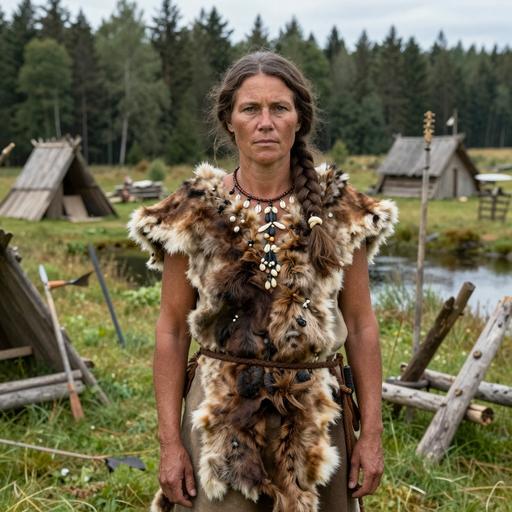
Place of Origin

Northern/Eastern Europe

Modern Distribution

The populations where mtDNA haplogroup U5A2D is found include:

  1. Northern Europeans (Scandinavia, Finland)
  2. Saami people of Fennoscandia
  3. Eastern Europeans (Baltic states, northwestern Russia)
  4. Western and Central Europeans at lower to moderate frequencies
  5. Populations in the Caucasus at low frequencies
  6. Isolated occurrences in Central Asia and North Africa (low frequency)
  7. Ancient European hunter-gatherer populations (Mesolithic archaeological contexts)
CHAPTER IV

When in Time

Your haplogroup in the context of human history

~10k years ago

Neolithic Revolution

Agriculture begins, settled communities form

~7k years ago

Haplogroup U5A2D

Your mtDNA haplogroup emerged in Northern/Eastern Europe

Northern/Eastern Europe
~5k years ago

Bronze Age

Metalworking, writing, and early civilizations

~3k years ago

Iron Age

Iron tools, expanded trade networks

~2k years ago

Classical Antiquity

Greek and Roman civilizations flourish

Present

Present Day

Modern era

Your Haplogroup
Historical Era
Chapter IV-B

Linked Cultures

Ancient cultures associated with mtDNA haplogroup U5A2D

Cultural Heritage

These ancient cultures have been linked to haplogroup U5A2D based on matching ancient DNA samples from archaeological excavations. The presence of this haplogroup in these cultures provides insights into the migrations and population movements of populations carrying this haplogroup.

Alföld Linear Pottery Dnieper-Mariupol Iron Gates Culture Kunda Latvian Mesolithic Lithuanian Mesolithic Motala Culture Veretye Yasinovatka Yuzhny Oleny Ostrov
Culture assignments are based on archaeological context of ancient DNA samples and may represent regional associations during specific time periods.
Chapter V

Sample Catalog

Top 47 ancient DNA samples directly related to haplogroup U5A2D or parent clades

47 / 47 samples
Portrait Sample Country Era Date Culture mtDNA Match
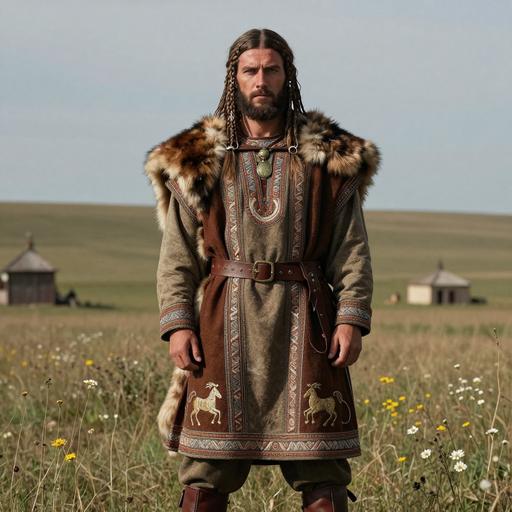
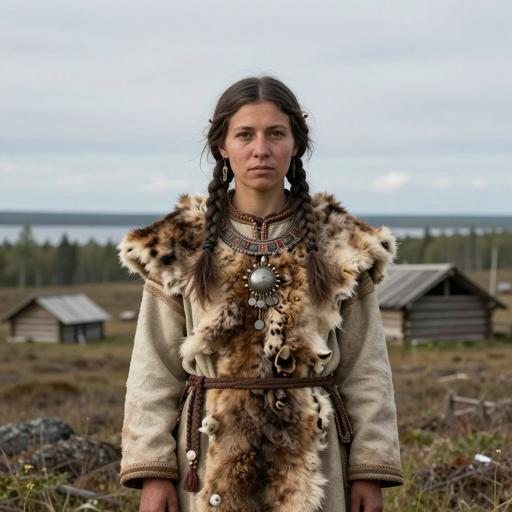
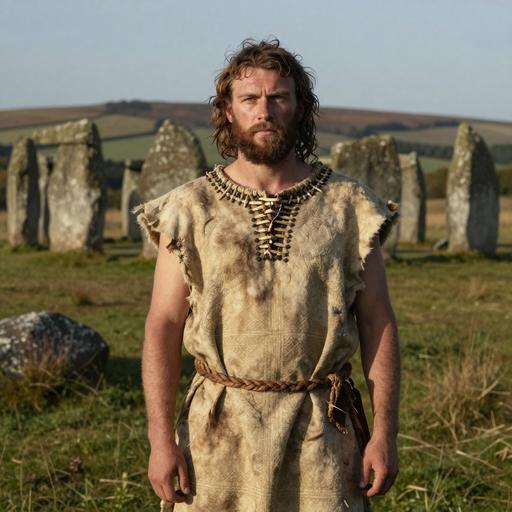
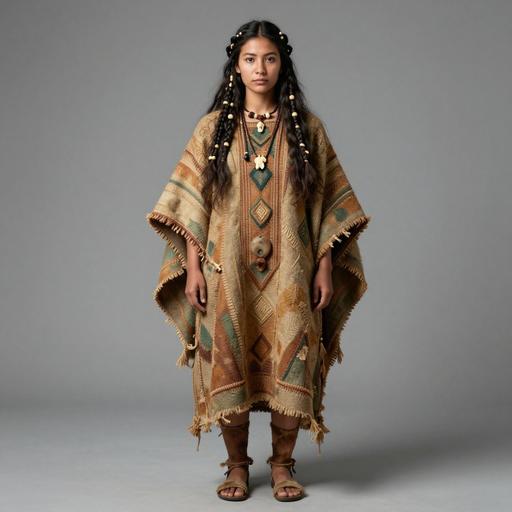
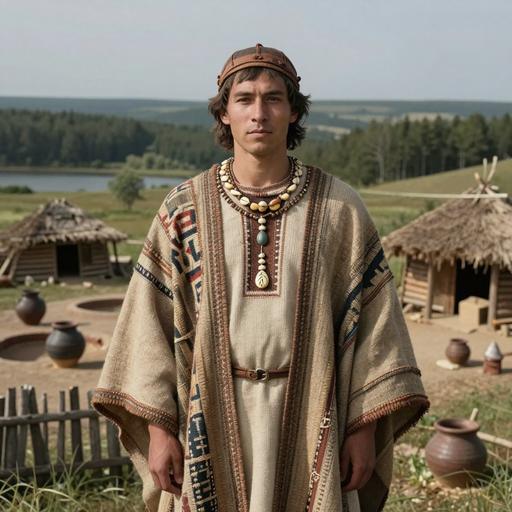
Portrait of ancient individual I20600 from United Kingdom, dated 450 CE - 633 CE
I20600
United Kingdom Early Medieval Saxon England 450 CE - 633 CE Anglo-Saxon U5a2d Direct
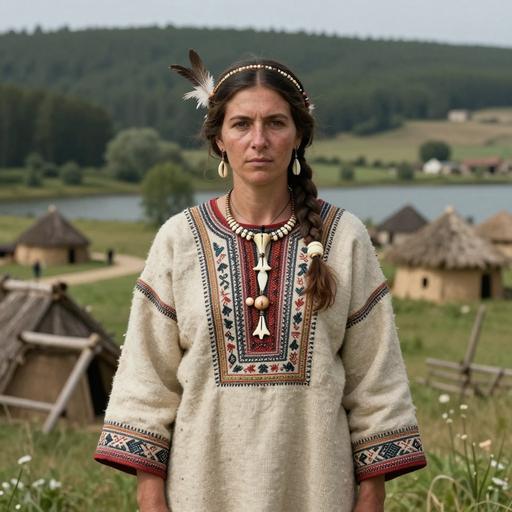
Portrait of ancient individual NEO518 from Ukraine, dated 542 BCE - 392 BCE
NEO518
Ukraine Scythian Culture 542 BCE - 392 BCE Scythian Culture U5a2d Direct
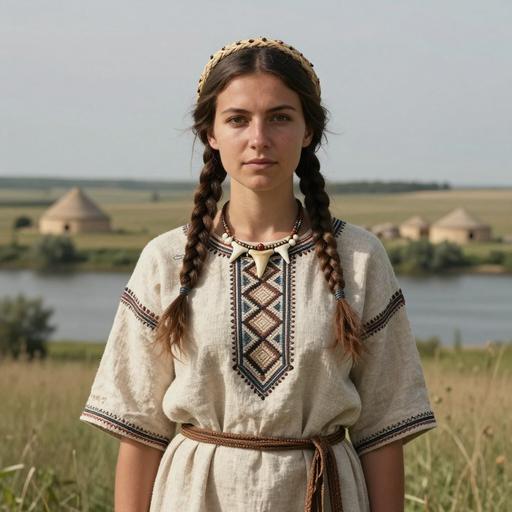
Portrait of ancient individual VEN021 from Italy, dated 600 CE - 800 CE
VEN021
Italy Basilicata Venosa Culture 600 CE - 800 CE Venosa U5a2d1 Direct
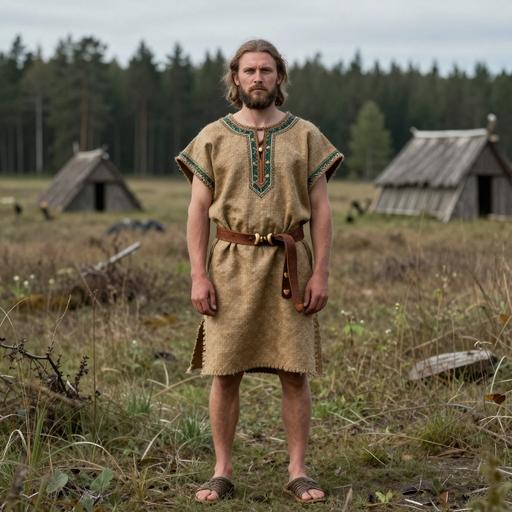
Portrait of ancient individual PCA0399 from Poland, dated 1000 CE - 1200 CE
PCA0399
Poland Iron Age Santok Culture 1000 CE - 1200 CE Santok Culture U5a2d Direct
Portrait of ancient individual I13169 from Montenegro, dated 1407 BCE - 1271 BCE
I13169
Montenegro Middle to Late Bronze Age Montenegro 1407 BCE - 1271 BCE Montenegrin Bronze Age U5a2d Direct
Portrait of ancient individual ARS003 from Mongolia, dated 1423 BCE - 1127 BCE
ARS003
Mongolia Late Bronze Age Khovsgol 6, Mongolia 1423 BCE - 1127 BCE Khovsgol Culture U5a2d1 Direct
Portrait of ancient individual I13777 from Montenegro, dated 1450 BCE - 1250 BCE
I13777
Montenegro Middle to Late Bronze Age Montenegro 1450 BCE - 1250 BCE Montenegrin Bronze Age U5a2d Direct
Portrait of ancient individual I13776 from Montenegro, dated 1450 BCE - 1250 BCE
I13776
Montenegro Middle to Late Bronze Age Montenegro 1450 BCE - 1250 BCE Montenegrin Bronze Age U5a2d Direct
Portrait of ancient individual NEO61 from Russia, dated 1738 BCE - 1541 BCE
NEO61
Russia Bolshoy Oleniy Ostrov Culture 1738 BCE - 1541 BCE Bolshoy Oleniy U5a2d Direct
Portrait of ancient individual I4950 from United Kingdom, dated 2800 BCE - 1800 BCE
I4950
United Kingdom The Bell Beaker Culture in England 2800 BCE - 1800 BCE Bell Beaker U5a2d1 Direct
Chapter VI

Carrier Distribution Map

Geographic distribution of 47 ancient DNA samples carrying haplogroup U5A2D

Time Period Filter
All Time Periods
Showing all samples
Each marker represents an ancient individual
Chapter VII

Temporal Distribution

Distribution of carriers across archaeological periods

Chapter VIII

Geographic Distribution

Distribution of carriers by country of origin

Chapter IX

Country × Era Distribution

Cross-tabulation of carrier countries and archaeological periods

Data

Data & Provenance

Source information and data quality

Last Updated 2026-02-16
Confidence Score 50/100
Coverage Low
Data Source

We use the latest phylotree for MTDNA haplogroup classification and data.