The Story
The journey of mtDNA haplogroup U5B1C1A1
Origins and Evolution
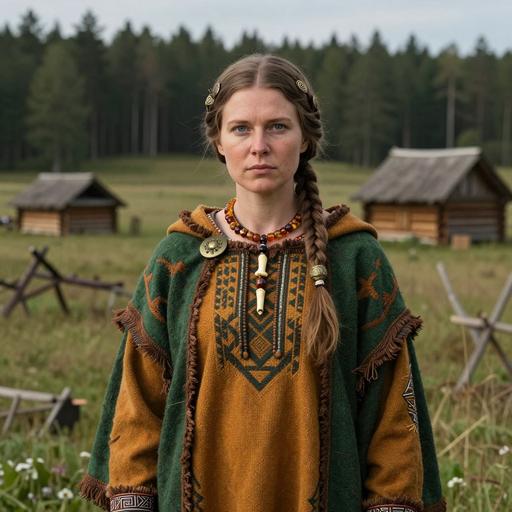
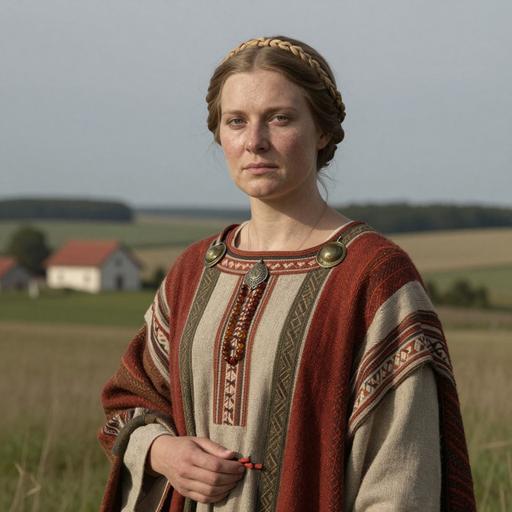
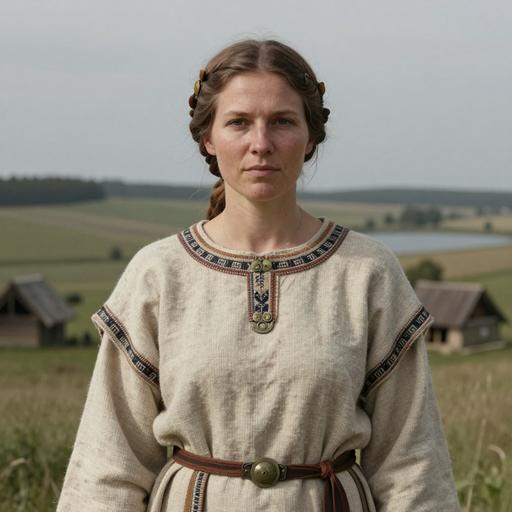
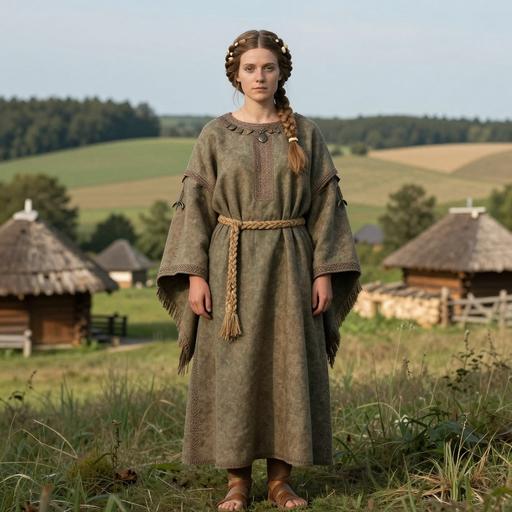
Haplogroup U5B1C1A1 is a downstream branch of U5B1C1A, itself part of the broader U5 family that represents some of the oldest maternal lineages in Europe and is strongly associated with post-glacial Mesolithic populations. Based on the phylogenetic position of U5B1C1A and published time estimates for its emergence (~3.0 kya), U5B1C1A1 most plausibly arose slightly later during the late Bronze Age to early Iron Age (approximately 2.5 kya) in the Scandinavia–Baltic region. This timing and geographic placement place the clade within a context of regional continuity of Mesolithic-derived maternal lines combined with population restructurings that occurred in northern Europe during the Bronze/Iron Age transition.
As a fine-scale subclade, U5B1C1A1 is defined by derived mutations downstream of U5B1C1A (private or subclade-defining variants). Because it is a relatively deep but geographically restricted maternal lineage, its observed modern distribution is shaped by genetic drift, founder effects in peripheral populations (notably in northern Scandinavia/Sápmi), and later historic movements that redistributed northern European maternal lineages across adjacent regions.
Subclades (if applicable)
At present U5B1C1A1 is treated as a terminal or near-terminal branch in published phylogenies and genetic databases; additional downstream diversity may be discovered with denser modern and ancient mitogenome sampling. Any named subclades would be expected to show further geographic substructure within northern Europe and possibly among diaspora populations in the British Isles and Iberia. Ancient DNA evidence for U5B1C1A1 is presently limited (noted in one archaeological sample in the database), so the deep substructure and temporal dynamics remain incompletely resolved.
Geographical Distribution
U5B1C1A1 is concentrated in northern Europe with lower-frequency occurrences in adjacent parts of western, central, and southern Europe and rare detections beyond Europe. Modern population data and limited ancient DNA suggest the highest frequencies or greatest continuity occur in:
- Northern Scandinavia and the Sámi (Sápmi) region, reflecting local continuity and drift
- Broader Scandinavian populations (Norway, Sweden, Denmark)
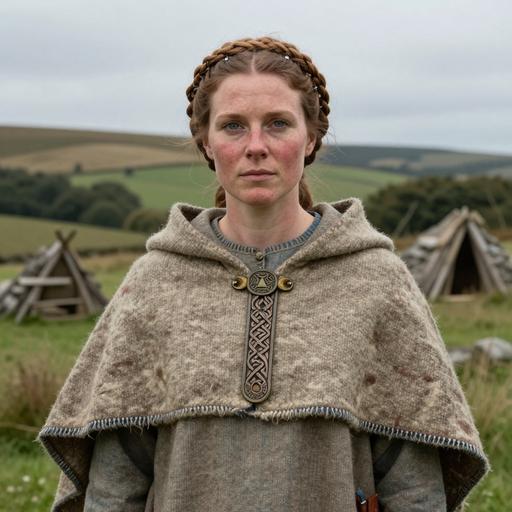
- Scattered presence in the British Isles and parts of the Iberian Peninsula (likely due to historical movement and gene flow)
- Low-frequency occurrences in central/eastern Europe (Poland, Baltic states, Germany) and isolated reports from North Africa and the Caucasus which may reflect historical gene flow, migration, or sample artifacts
The pattern is consistent with a local northern European origin followed by limited outward dispersal through trade, mobility (including Viking Age movements), and later historic contacts.
Historical and Cultural Significance
Although U5 lineages are often emphasized as Mesolithic survivors in Europe, U5B1C1A1 itself appears to have a later, regionally localized origin. Its emergence in the late Bronze to Iron Age timeframe associates it with cultural landscapes undergoing technological and social change in northern Europe (declining Bronze Age networks, formation of Iron Age societies, and subsequent Viking Age mobility). In particular:
- The haplogroup's persistence in Sámi and northern Scandinavian populations may reflect maternal continuity, isolation, and founder effects in high-latitude environments.
- Low-frequency occurrences in the British Isles and Iberia are consistent with documented episodes of north–south movement (e.g., Iron Age trade, Roman-era and medieval mobility, and Viking Age dispersals) that moved northern European maternal lineages across wider Europe.
Because the haplogroup is relatively uncommon and regionally concentrated, it is more useful for studying microevolutionary processes (drift, founder events, regional continuity) than for broad-scale demographic reconstructions on its own.
Conclusion
U5B1C1A1 represents a geographically focused maternal lineage that likely arose in the Scandinavian/Baltic area in the late Bronze to early Iron Age (~2.5 kya). Its distribution today—highest in northern Scandinavia and detectable at low-to-moderate levels across parts of western, central, and southern Europe—reflects a mix of deep Mesolithic ancestry in northern Europe combined with later regional demographic processes (isolation, drift, and limited dispersals). Further resolution of its history will depend on additional complete mitogenomes from under-sampled regions and time periods, and on increased ancient DNA recovery from northern European archaeological contexts.
Key Points
- Origins and Evolution
- Subclades (if applicable)
- Geographical Distribution
- Historical and Cultural Significance
- Conclusion