The Story
The journey of mtDNA haplogroup U5B1C1A2
Origins and Evolution
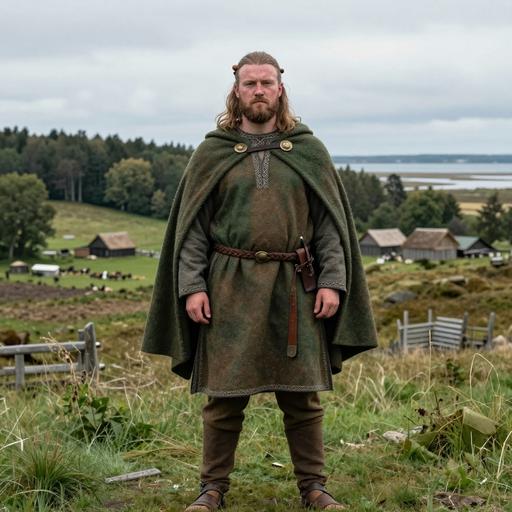
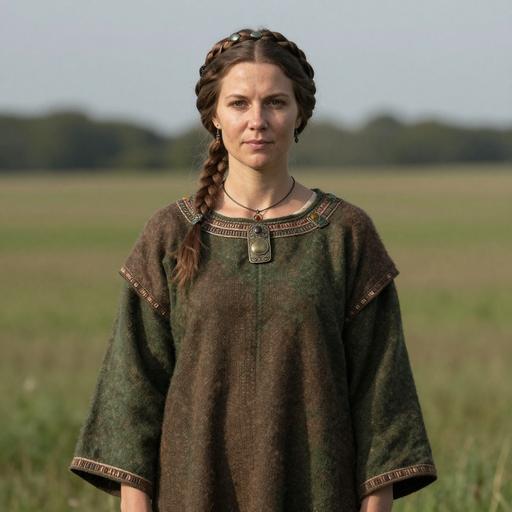
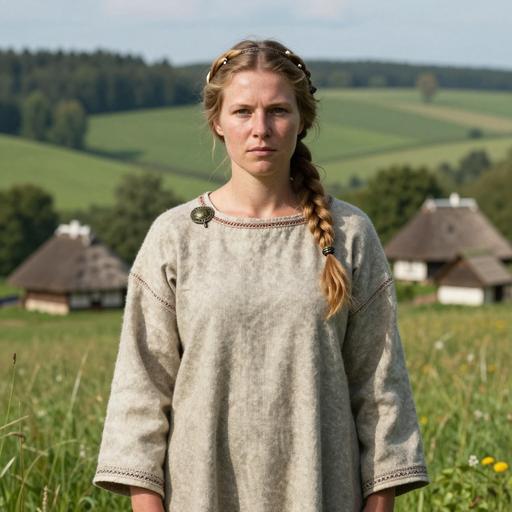
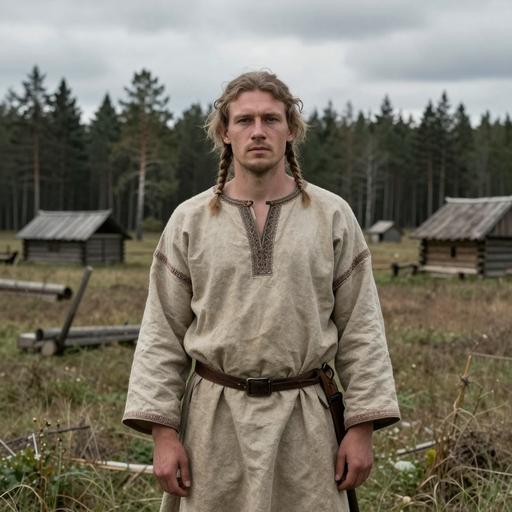
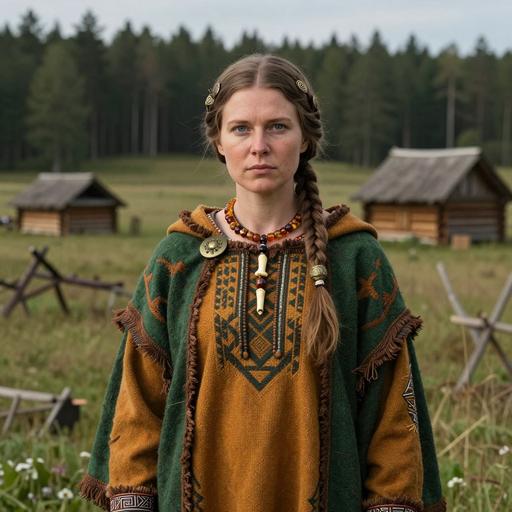
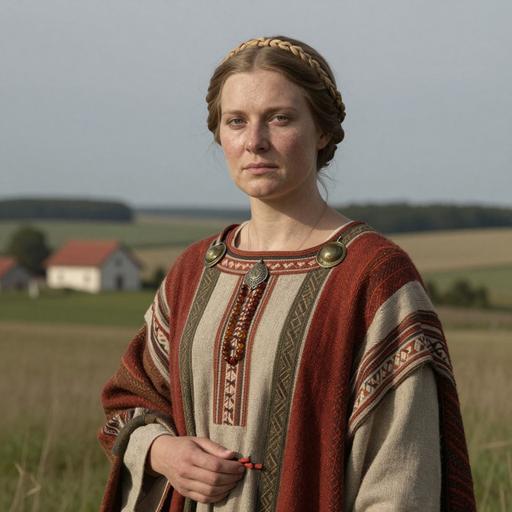
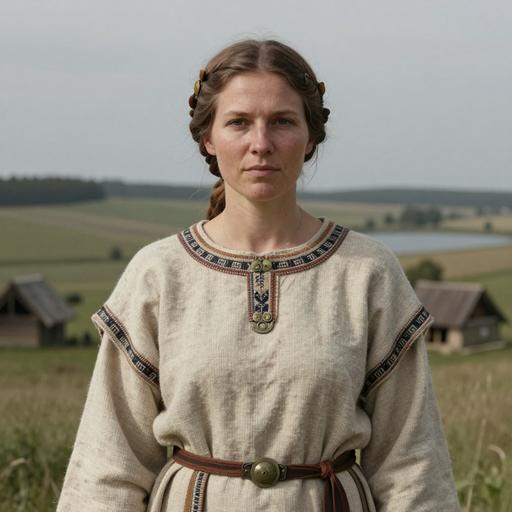
Haplogroup U5B1C1A2 is a terminal subclade deriving from U5B1C1A, itself nested within the broader U5b branch of haplogroup U5. The deeper U5 lineage is one of the primary maternal lineages associated with European Mesolithic hunter-gatherers, but the specific U5B1C1A clade most likely formed much later. Based on the parent clade's coalescence estimate (~3 kya) and the phylogenetic position of U5B1C1A2 as a downstream branch, a plausible origin for U5B1C1A2 is the late Bronze Age to early Iron Age in northern Europe (Scandinavia/Baltic), roughly 2.5 thousand years ago.
This timing and location suggest that U5B1C1A2 represents a local differentiation of a long-standing Mesolithic-derived maternal lineage that survived and diversified within northern European populations through the Bronze and Iron Ages rather than being introduced by large-scale migrations from outside the region.
Subclades (if applicable)
U5B1C1A2 is itself a terminal or very localized subclade beneath U5B1C1A. At present it is treated as a specific downstream lineage rather than a node with widely recognized multiple sub-branches; however, high-resolution sequencing in modern and ancient samples can reveal further micro-branches (private mutations) within U5B1C1A2 in particular populations (for example, local lineages preserved in Saami or other northern groups). The immediate ancestral clade, U5B1C1A, is the primary context for interpreting U5B1C1A2's origins and spread.
Geographical Distribution
Today U5B1C1A2 is concentrated in northern Europe with low-to-moderate presence in adjacent regions. The highest frequencies and greatest haplotype diversity are typically observed in Scandinavia and parts of the Baltic, consistent with a local origin and subsequent regional continuity. Secondary occurrences at low frequency are reported in the British Isles, Iberia, Central and Eastern Europe, and sporadically in North African and Caucasus populations — these peripheral occurrences likely reflect historical movement, gene flow, and ancient population structure rather than a primary homeland outside northern Europe.
Ancient DNA (aDNA) evidence for this precise subclade is limited but the identification of U5B1C1A and closely related U5 sublineages in archaeological contexts across northern and temperate Europe supports a long-term presence of U5-derived maternal ancestry in these regions.
Historical and Cultural Significance
U5B1C1A2 illustrates the continued survival and micro-evolution of Mesolithic-derived maternal lineages through later prehistoric periods and into historical times. Its emergence in the late Bronze Age / early Iron Age timeframe places it in a period of regional cultural transformations in Scandinavia — localized social change, shifts in burial practices, and continued mobility along coastal and inland trade networks. The haplogroup is therefore useful for genetic studies tracking maternal continuity in northern Europe and for comparing demographic processes (local persistence versus migration-driven replacement).
Because U5 lineages are often interpreted as part of the Mesolithic substrate in Europe, the presence of a late-forming subclade like U5B1C1A2 highlights how ancient maternal ancestry persisted and differentiated within regional population pockets rather than being entirely overwritten by incoming farmer- or steppe-associated maternal lineages.
Conclusion
U5B1C1A2 is a localized northern European mtDNA subclade derived from the longstanding U5 maternal lineage. Its late Bronze Age/early Iron Age origin in Scandinavia/Baltic, combined with its modern distribution concentrated in northern Europe and low-frequency occurrences elsewhere, makes it an informative marker for studies of maternal continuity, regional differentiation, and the demographic history of northern European populations.
Key Points
- Origins and Evolution
- Subclades (if applicable)
- Geographical Distribution
- Historical and Cultural Significance
- Conclusion