Menu
mtDNA Haplogroup • Maternal Lineage

U5B1C

mtDNA Haplogroup U5B1C

~7,000 years ago
Northern/Central Europe
2 subclades
30 ancient samples
Scroll to explore
Chapter I

The Story

The journey of mtDNA haplogroup U5B1C

Origins and Evolution

Haplogroup U5B1C is a subclade of U5B1, itself part of the ancient European haplogroup U5. U5 lineages are among the earliest maternally-inherited lineages in Europe and are commonly associated with Upper Paleolithic and Mesolithic hunter-gatherers. U5B1C likely arose during the post-glacial period as human groups re-expanded northwards from refugia in southern or central Europe. Based on its phylogenetic position under U5B1 and comparative time estimates for related subclades, a likely time of origin for U5B1C is in the mid-to-late Holocene transition following the Last Glacial Maximum, on the order of ~6–9 kya; a conservative central estimate for U5B1C is around ~7 kya.

Subclades

As a terminal or near-terminal branch under U5B1, U5B1C may contain a small number of private mutations that define it in modern and ancient mitogenome datasets. Compared with broader U5 diversity, U5B1C is a relatively restricted sublineage that does not show the same deep branching complexity as older U5 clades. Where population sampling is dense (Northern Europe and the British Isles), occasional internal diversification is visible, but U5B1C remains a localized lineage rather than a widely branching pan-European clade.

Geographical Distribution

U5B1C shows its highest frequencies in Northern Europe, with notable presence among populations of Scandinavia and nearby regions. It is observed at lower frequencies across the British Isles, parts of Western and Central Europe, and sporadically in adjacent areas such as the Baltic region and northwestern Russia. The pattern is consistent with a postglacial northward expansion from southern or central European refugia, followed by long-term regional continuity in northern latitudes. Low-frequency occurrences in more distant regions (e.g., parts of North Africa or the Caucasus) are best interpreted as later, limited gene flow events rather than primary centers of origin.

Historical and Cultural Significance

Lineages of U5, including U5B1-derived clades, are strongly associated with European Mesolithic hunter-gatherers in ancient DNA studies. The persistence of U5B1C in northern populations into the Neolithic and later periods indicates maternal continuity alongside incoming farming and pastoralist groups. In particular, U5B1-derived lineages (and by extension some U5B1C carriers) have been found in contexts linked to longstanding northern forager communities and later populations of Scandinavia and the British Isles. While U5B1C is not specifically diagnostic of any single archaeological culture like Bell Beaker or Yamnaya, its presence in northern Europe means it overlaps temporally and geographically with Mesolithic, Neolithic, and Bronze Age populations in that region.

Conclusion

U5B1C represents a geographically concentrated, postglacial European maternal lineage nested within the ancient U5 clade. Its distribution emphasizes continuity of maternal ancestry in northern Europe from the Mesolithic through subsequent periods, with only limited spread into more distant regions. As mitogenome sampling and ancient DNA datasets expand, U5B1C's internal structure and precise age estimates may be refined, but current evidence supports its role as a northern-European, hunter-gatherer–derived lineage that persisted alongside incoming Neolithic and Bronze Age ancestries.

Key Points

  • Origins and Evolution
  • Subclades
  • Geographical Distribution
  • Historical and Cultural Significance
  • Conclusion
Chapter II

Tree & Relationships

Phylogenetic context and subclades

Evolution Path

This haplogroup's evolutionary journey from its earliest ancestor to the present.

Steps Haplogroup Age Estimate Archaeology Era Time Passed Immediate Descendants Tested Modern Descendants Ancient Connections
1 U5B1C Current ~7,000 years ago 🌾 Neolithic 7,000 years 2 7 30
2 U5B1 ~9,000 years ago 🌾 Neolithic 9,000 years 9 165 0
3 U5b ~9,000 years ago 🌾 Neolithic 9,000 years 3 495 140
4 U ~46,000 years ago 🦴 Paleolithic 46,000 years 12 2,835 110
5 R ~60,000 years ago 🦴 Paleolithic 60,000 years 12 10,987 57
6 N ~60,000 years ago 🦴 Paleolithic 60,000 years 15 15,452 13
7 L3 ~70,000 years ago 🦴 Paleolithic 70,000 years 11 17,621 6
8 L ~160,000 years ago 🦴 Paleolithic 160,000 years 7 18,987 5

Siblings (8)

Other branches from the same parent haplogroup

Chapter III

Where in the World

Geographic distribution and modern presence

Place of Origin

Northern/Central Europe

Modern Distribution

The populations where mtDNA haplogroup U5B1C is found include:

  1. Saami (Sápmi, Northern Scandinavia and Kola)
  2. Scandinavian populations (Norway, Sweden, Denmark)
  3. British Isles populations (England, Scotland, Ireland)
  4. Iberian Peninsula populations (Spain, Portugal)
  5. Central and Eastern European populations (Poland, Germany, Baltic states, Russia)
  6. North African groups at low frequency (Berber-speaking populations and adjacent regions)
  7. Caucasus populations at low frequency
CHAPTER IV

When in Time

Your haplogroup in the context of human history

~10k years ago

Neolithic Revolution

Agriculture begins, settled communities form

~7k years ago

Haplogroup U5B1C

Your mtDNA haplogroup emerged in Northern/Central Europe

Northern/Central Europe
~5k years ago

Bronze Age

Metalworking, writing, and early civilizations

~3k years ago

Iron Age

Iron tools, expanded trade networks

~2k years ago

Classical Antiquity

Greek and Roman civilizations flourish

Present

Present Day

Modern era

Your Haplogroup
Historical Era
Chapter IV-B

Linked Cultures

Ancient cultures associated with mtDNA haplogroup U5B1C

Cultural Heritage

These ancient cultures have been linked to haplogroup U5B1C based on matching ancient DNA samples from archaeological excavations. The presence of this haplogroup in these cultures provides insights into the migrations and population movements of populations carrying this haplogroup.

British Neolithic Early Bronze Age Iberian French Late Neolithic French Neolithic Irish Middle Neolithic Los Millares Menorcan Late Bronze Middle Neolithic Culture Middle Neolithic French Normandy Neolithic Orkney Culture Southwest Iberian
Culture assignments are based on archaeological context of ancient DNA samples and may represent regional associations during specific time periods.
Chapter V

Sample Catalog

Top 30 ancient DNA samples directly related to haplogroup U5B1C or parent clades

30 / 30 samples
Portrait Sample Country Era Date Culture mtDNA Match
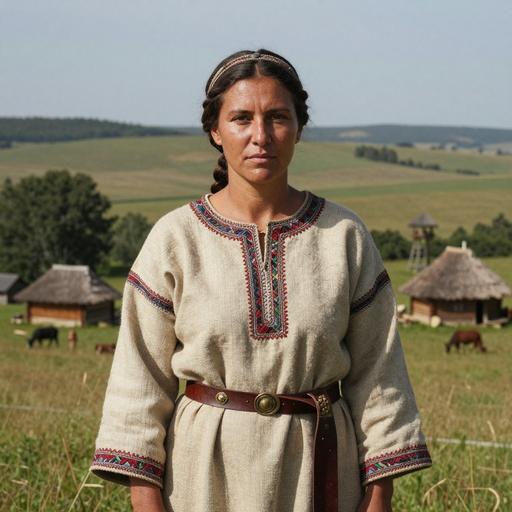
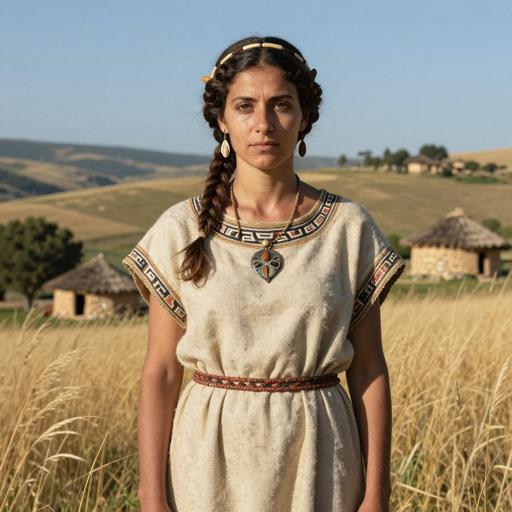
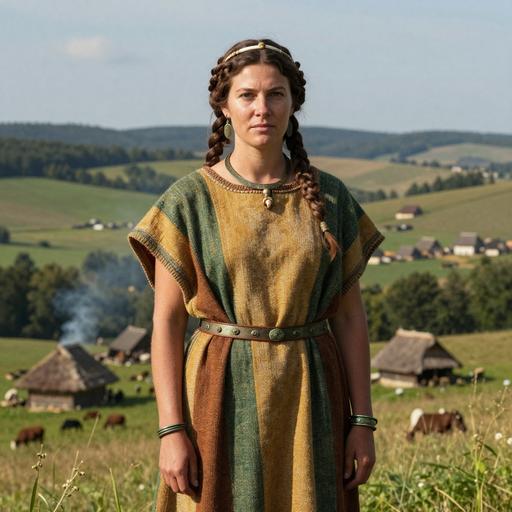
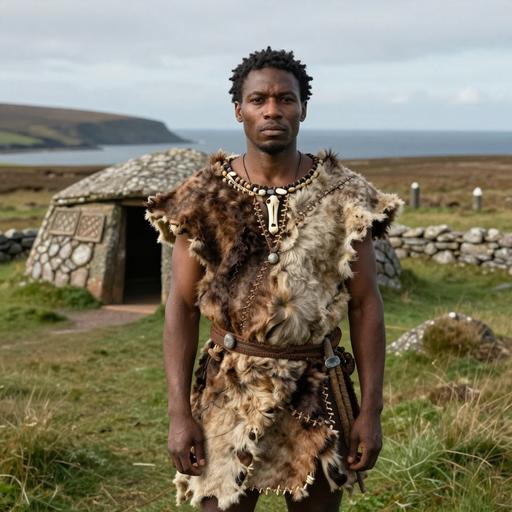
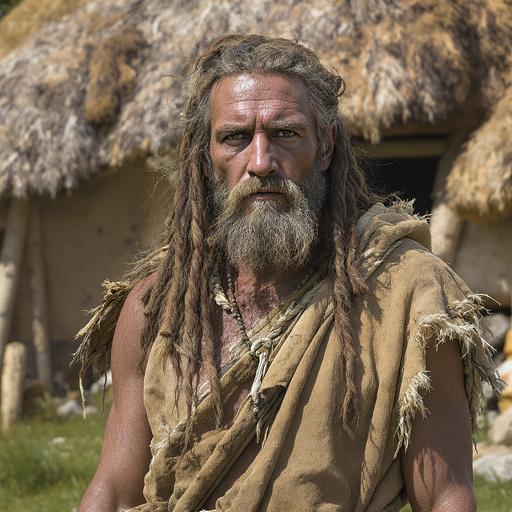
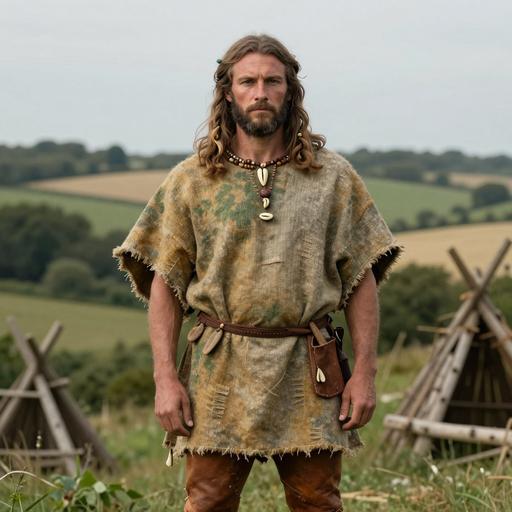
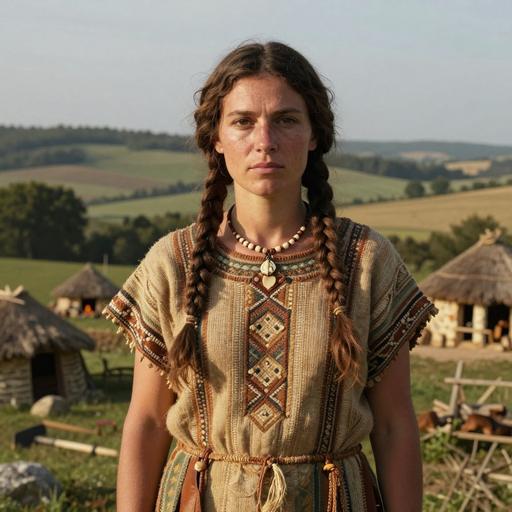
Portrait of ancient individual I5503 from United Kingdom, dated 334 BCE - 42 BCE
I5503
United Kingdom East Yorkshire Iron Age 334 BCE - 42 BCE East Yorkshire U5b1c2 Direct
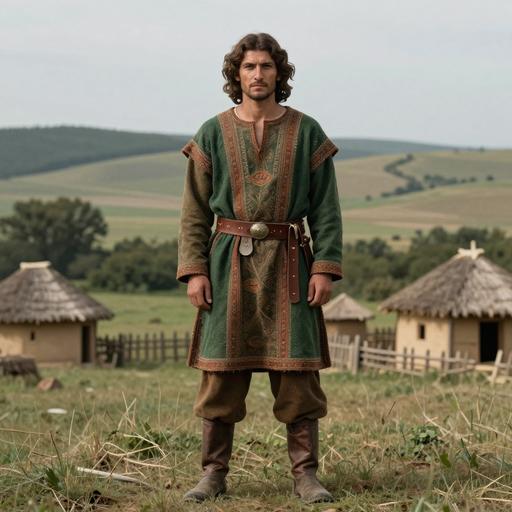
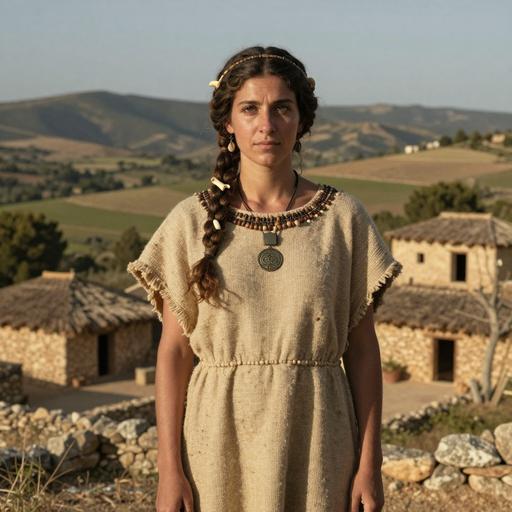
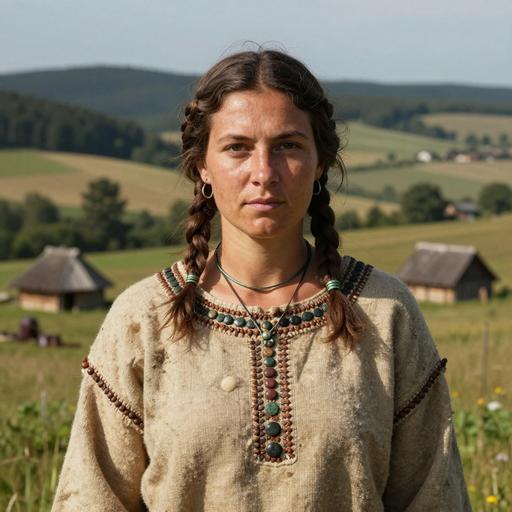
Portrait of ancient individual HNJ010 from Hungary, dated 650 CE - 750 CE
HNJ010
Hungary Middle Avar Period Hungary 650 CE - 750 CE Avar Culture U5b1c Direct
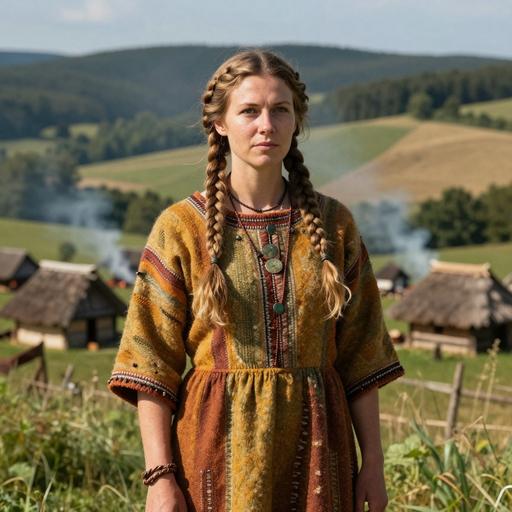
Portrait of ancient individual HNJ012 from Hungary, dated 650 CE - 750 CE
HNJ012
Hungary Middle Avar Period Hungary 650 CE - 750 CE Avar Culture U5b1c Direct
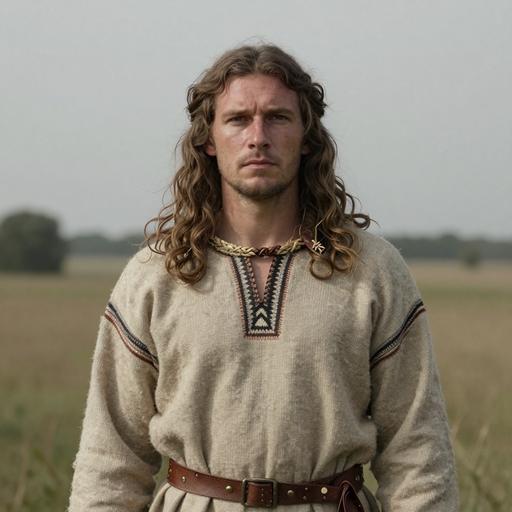
Portrait of ancient individual HNJ013 from Hungary, dated 650 CE - 750 CE
HNJ013
Hungary Middle Avar Period Hungary 650 CE - 750 CE Avar Culture U5b1c Direct
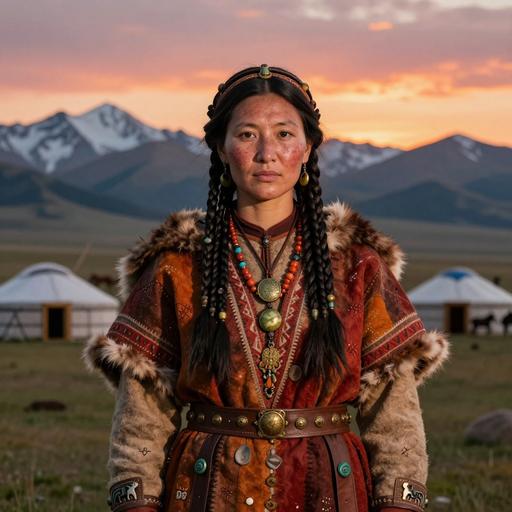
Portrait of ancient individual DA18 from Kazakhstan, dated 761 BCE - 416 BCE
DA18
Kazakhstan Iron Age Nomad, Kazakhstan 761 BCE - 416 BCE Steppe Nomadic Culture U5b1c2 Direct
Portrait of ancient individual DA18 from Kazakhstan, dated 761 BCE - 416 BCE
DA18
Kazakhstan The Nomadic Empires of the Eurasian Steppe 761 BCE - 416 BCE U5b1c2 Direct
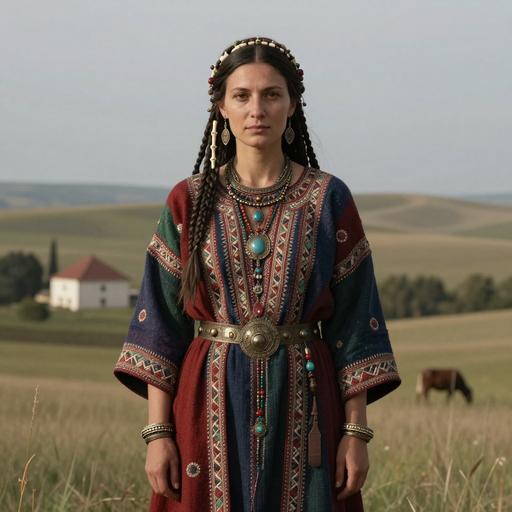
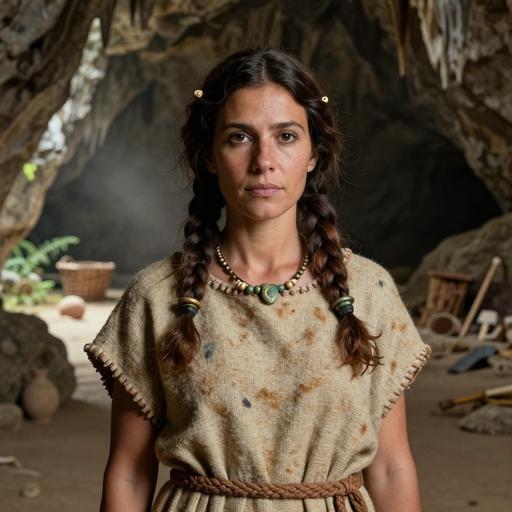
Portrait of ancient individual I3315 from Spain, dated 904 BCE - 814 BCE
I3315
Spain Late Bronze Age Menorca, Spain 904 BCE - 814 BCE Menorcan Late Bronze U5b1c Direct
Portrait of ancient individual I3315 from Spain, dated 904 BCE - 814 BCE
I3315
Spain Late Bronze Age Menorca 904 BCE - 814 BCE U5b1c Direct
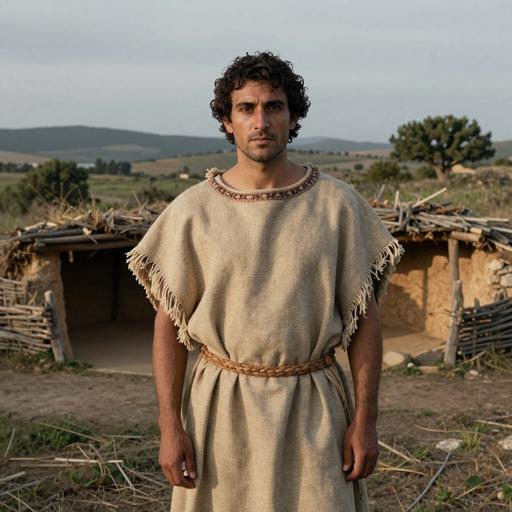
Portrait of ancient individual MON014 from Spain, dated 1750 BCE - 1550 BCE
MON014
Spain Chalcolithic Southwest Iberia 1750 BCE - 1550 BCE Southwest Iberian U5b1c Direct
Portrait of ancient individual I1310 from Spain, dated 2000 BCE - 1400 BCE
I1310
Spain Early Bronze Age Spain 2000 BCE - 1400 BCE Early Bronze Age Iberian U5b1c Direct
Chapter VI

Carrier Distribution Map

Geographic distribution of 30 ancient DNA samples carrying haplogroup U5B1C

Time Period Filter
All Time Periods
Showing all samples
Each marker represents an ancient individual
Chapter VII

Temporal Distribution

Distribution of carriers across archaeological periods

Chapter VIII

Geographic Distribution

Distribution of carriers by country of origin

Chapter IX

Country × Era Distribution

Cross-tabulation of carrier countries and archaeological periods

Data

Data & Provenance

Source information and data quality

Last Updated 2026-02-16
Confidence Score 50/100
Coverage Low
Data Source

We use the latest phylotree for MTDNA haplogroup classification and data.