The Story
The journey of mtDNA haplogroup U5B2
Origins and Evolution
mtDNA haplogroup U5b2 branches from the older European lineage U5b, itself a major subclade of haplogroup U5, which is among the earliest mitochondrial lineages established in Europe after the Upper Paleolithic. Coalescence estimates for U5 place its origin in the Late Upper Paleolithic; as a downstream branch, U5b2 most likely diversified during the Late Glacial or early Mesolithic (roughly ~12 kya, with uncertainty ± a few thousand years) as populations recolonized parts of northern and western Europe after the Last Glacial Maximum.
U5b2 inherits many of the geographic and demographic signals of U5b — strong associations with European hunter-gatherer groups, continuity in some regions through the Mesolithic, and persistence albeit at lower frequencies through subsequent Neolithic and Bronze Age demographic shifts.
Subclades (if applicable)
Within the U5b clade, U5b2 is recognized as one of several downstream branches. Published phylogenies and ancient DNA (aDNA) studies identify named sub-branches (for example, U5b2a, U5b2b and related minor derivatives) that show regional structure and differing ages. Some sub-branches appear more common in northern Europe and among populations with strong Mesolithic ancestry, while others show more localized or sporadic occurrences in central and eastern Europe. The detailed internal structure varies as additional high-resolution mitogenomes are sequenced; many subclade definitions continue to be refined by ongoing aDNA and modern mitogenome surveys.
Geographical Distribution
U5b2 shows a distribution concentrated in Europe with highest representation in northern and parts of western Europe. Key patterns shown by population-genetic and ancient-DNA work include:
- Elevated signals in regions with Mesolithic continuity (Scandinavia, parts of the British Isles and Iberia in ancient contexts).
- Notable presence among some indigenous northern European groups (e.g., Saami and other populations with high hunter-gatherer ancestry components) in both ancient and modern samples.
- Lower-frequency occurrences in central and eastern Europe, where U5 lineages persisted but were diluted by incoming Neolithic farmer and later steppe ancestries.
- Sporadic low-frequency occurrences reported in neighboring regions such as North Africa and the Caucasus, reflecting complex prehistoric gene flow and later population movements.
Ancient DNA records including Mesolithic and later samples confirm U5b2 in archaeological contexts, consistent with continuity from Late Glacial/early Mesolithic inhabitants into later periods in some regions.
Historical and Cultural Significance
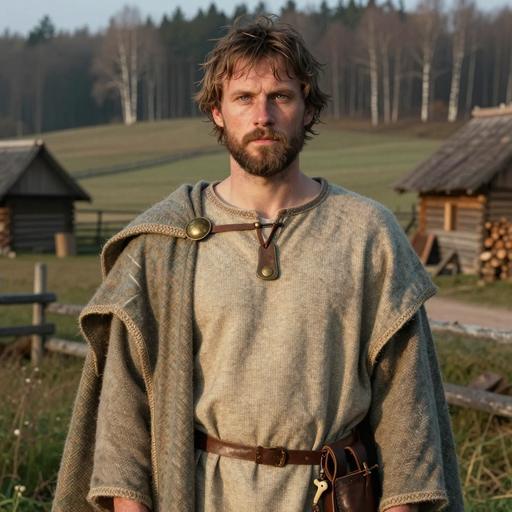
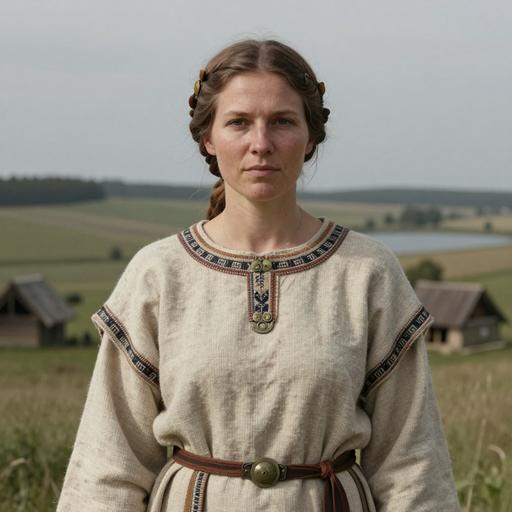
U5b2 is strongly tied to the demographic signature of European hunter-gatherers. In prehistoric population models, mtDNA lineages such as U5b2 are used as maternal markers of indigenous Mesolithic groups who contributed genetically to subsequent European populations. While Neolithic farmers (who carried different mitochondrial lineages such as various H, J, T, K, etc.) and Bronze Age steppe groups introduced additional maternal diversity, lineages like U5b2 persisted in many regions and can help track local continuity versus replacement.
Because of this association, U5b2 (and related U5 lineages) are often observed in studies addressing the extent of hunter-gatherer ancestry in modern Europeans, the peopling of Scandinavia, and the demographic impact of postglacial recolonization routes.
Conclusion
mtDNA haplogroup U5b2 is an informative maternal lineage for reconstructing Late Glacial and Mesolithic population structure in Europe. It represents a branch of the ancient U5b cluster with strongest associations in northern and western Europe and with continuity into later prehistoric periods in some areas. Continued mitogenome sequencing and expanding ancient DNA datasets are refining the internal structure and geographic history of U5b2 and its sublineages, improving resolution on regional continuity and migration events in European prehistory.
Key Points
- Origins and Evolution
- Subclades (if applicable)
- Geographical Distribution
- Historical and Cultural Significance
- Conclusion