The Story
The journey of mtDNA haplogroup U5B2C
Origins and Evolution
mtDNA haplogroup U5B2C sits within the broader U5b2 branch of haplogroup U5b, a deeply rooted European maternal lineage associated with Late Glacial and Mesolithic hunter-gatherers. Given the parent clade U5B2 is estimated to have arisen in Western/Northern Europe around ~12 kya, U5B2C most plausibly split from its immediate relatives in the early to mid-Holocene (roughly ~9 kya, a reasonable phylogenetic inference). The lineage reflects continuity of maternal ancestry in parts of northern and western Europe since the post-glacial period.
Subclades (if applicable)
U5B2C is itself a downstream subclade of U5B2. At present it is relatively narrowly defined in published phylogenies and population samples; dedicated full mitochondrial genome surveys and ancient DNA recovery are required to robustly resolve further sub-branches. Where finer substructure has been reported, it typically remains geographically localized and low frequency, consistent with drift and founder effects in small, northern populations.
Geographical Distribution
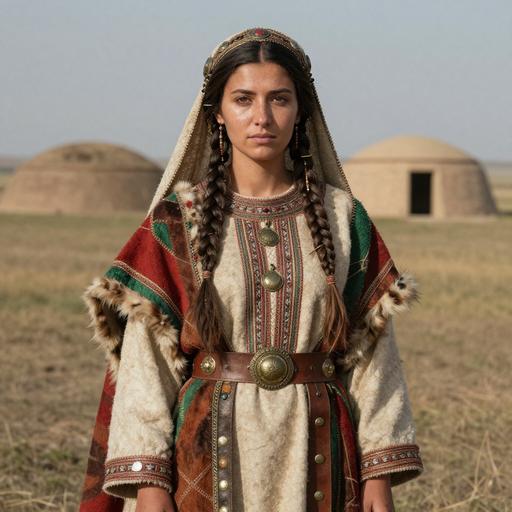
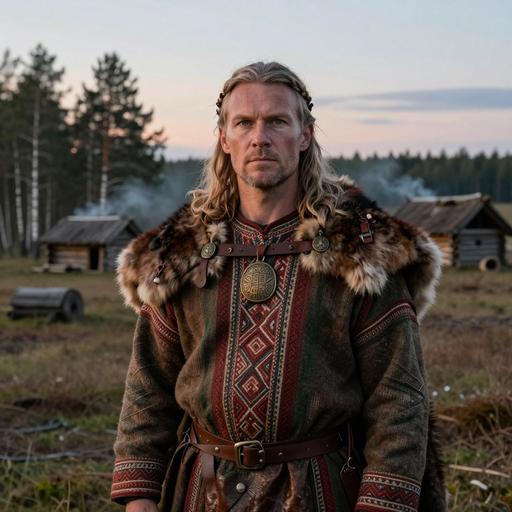
Modern and ancient DNA evidence places U5B2C primarily in Northern and Western Europe with lower-frequency occurrences across Central and Eastern Europe. It is reported at elevated relative frequencies in some indigenous northern populations (including Saami and other circumpolar groups) compared with southern Europe. Sporadic detections in North Africa, the Caucasus, and Anatolia likely represent later gene-flow events or rare long-distance maternal lineages rather than a primary origin outside Europe. In ancient DNA datasets, U5b-lineages (including U5B2 and related subclades) are common in Mesolithic hunter-gatherer contexts and persist in a subset of Neolithic and Bronze Age samples, demonstrating continuity and admixture through cultural transitions.
Historical and Cultural Significance
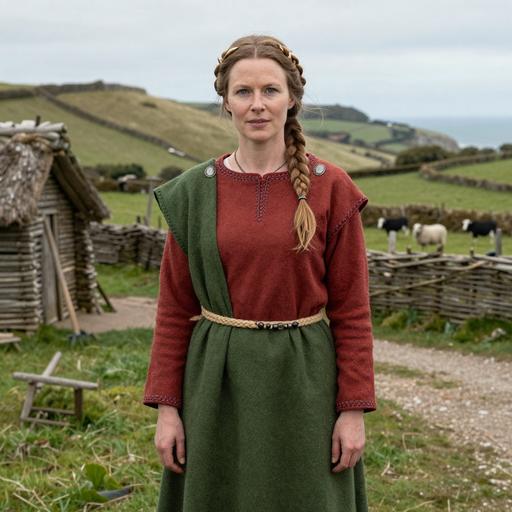
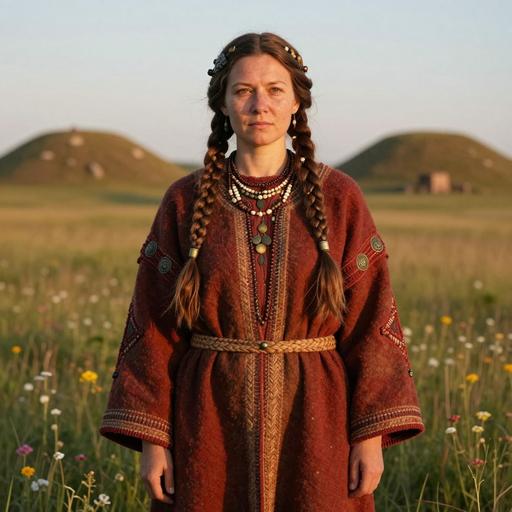
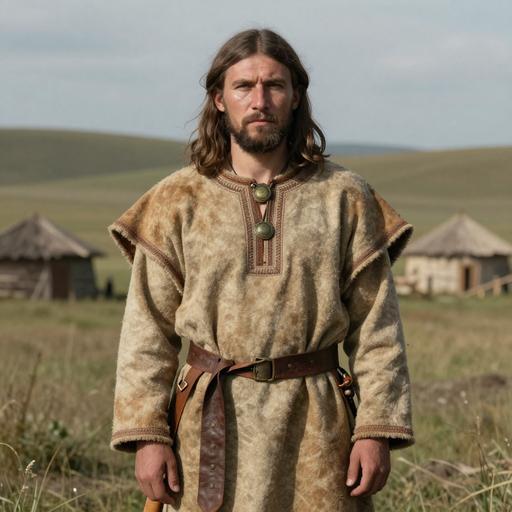
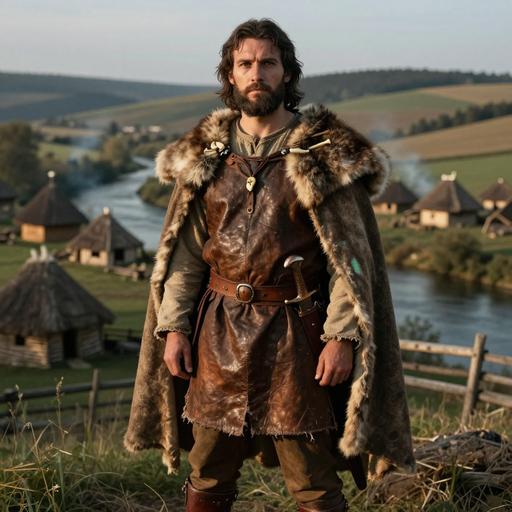
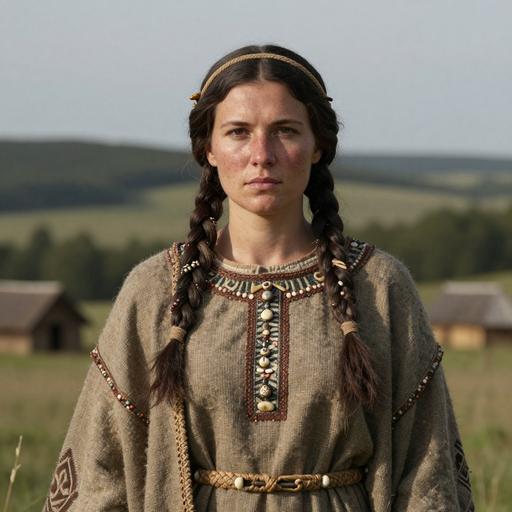
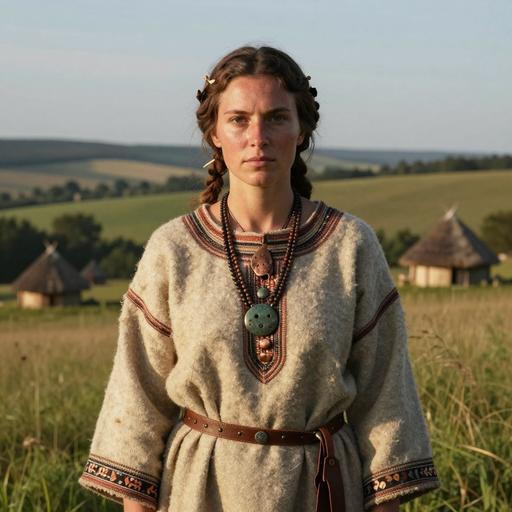
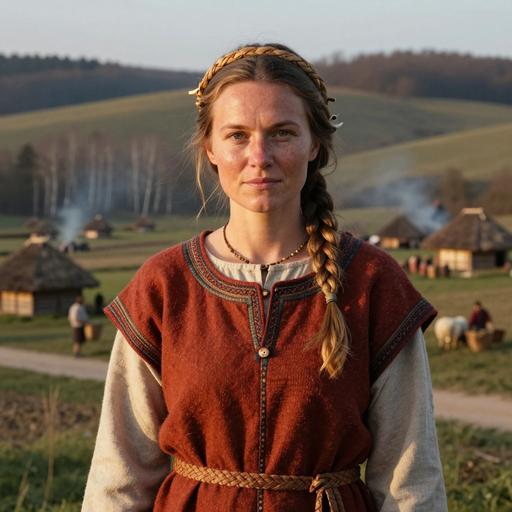
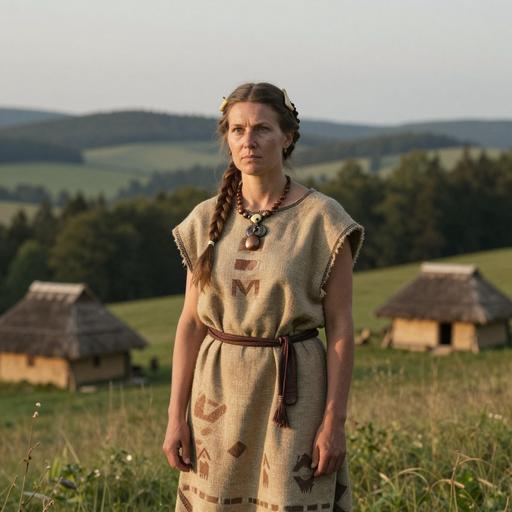
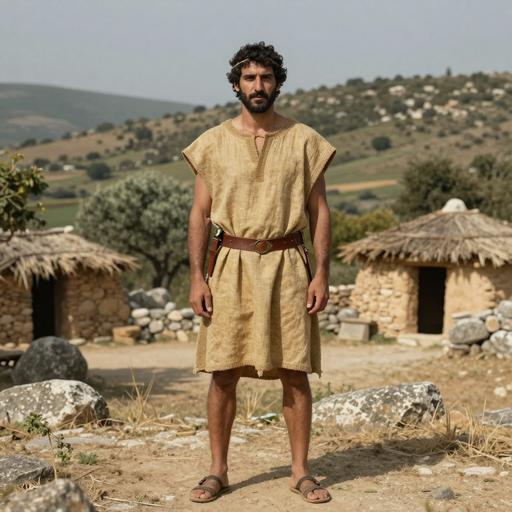
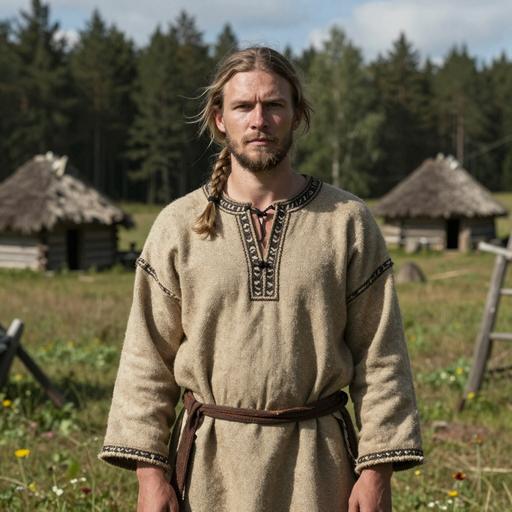
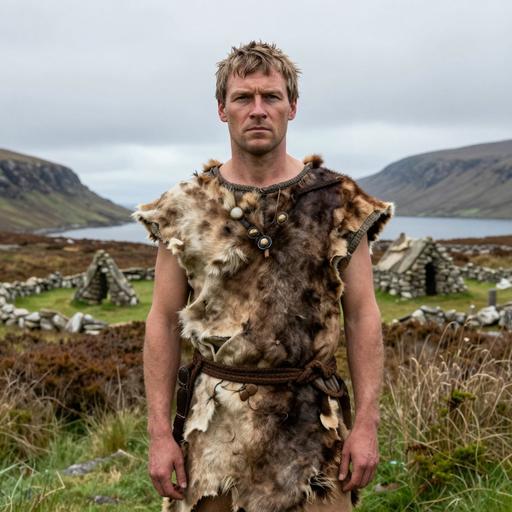
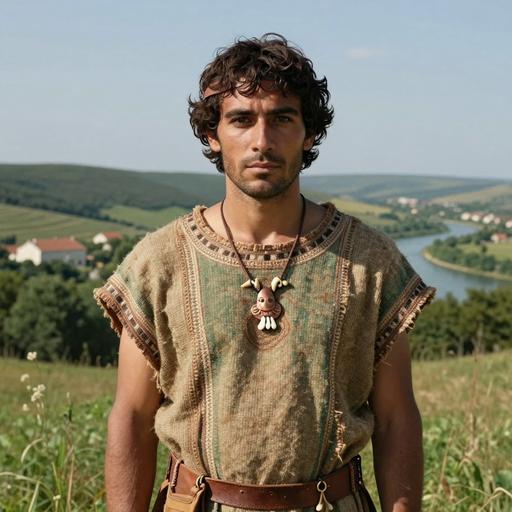
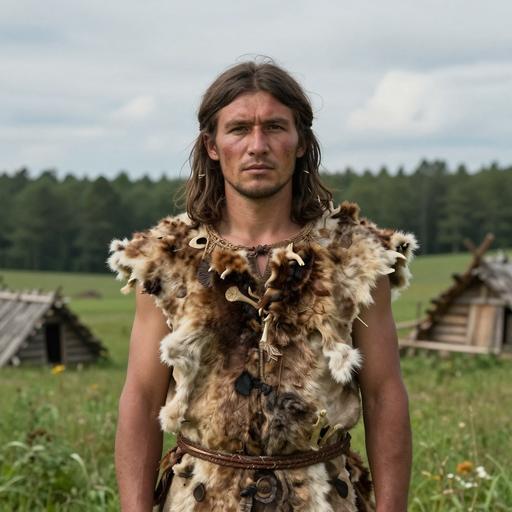
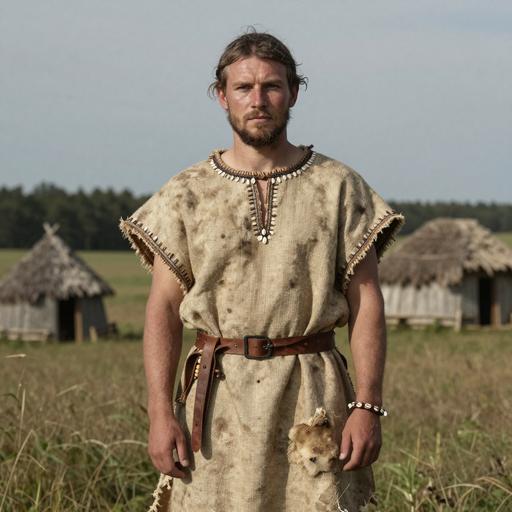
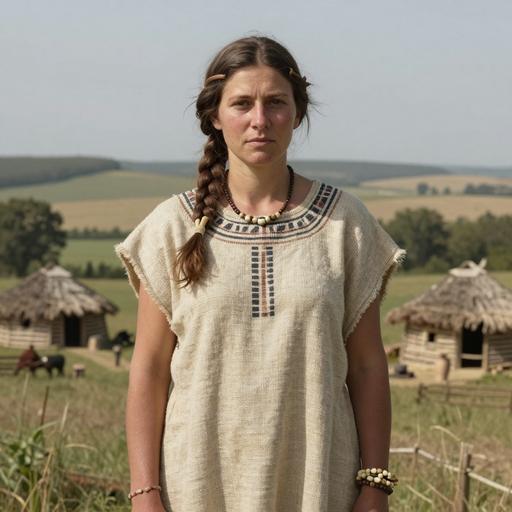
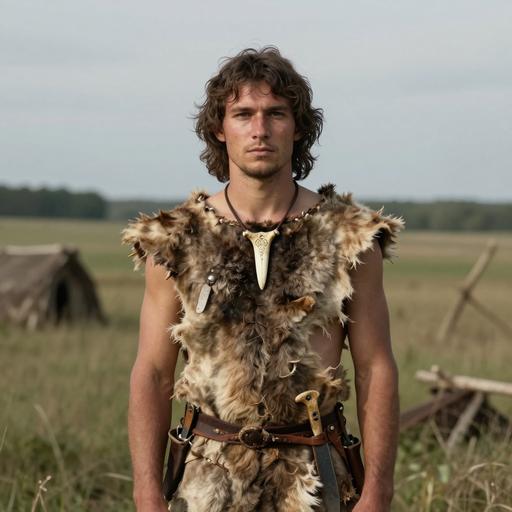
U5B2C should be viewed in the context of the broader U5b story: U5 lineages were prominent among Mesolithic hunter-gatherers across northern and western Europe and represent one of the genetic signatures of post-glacial recolonization of Europe. As farming expanded in the Neolithic, U5 subclades often remained in higher frequency among hunter-gatherer-descended or mixed populations, and some U5 derivatives (including U5B2-related types) appear intermittently in Neolithic and Bronze Age archaeological contexts. This pattern links U5B2C to long-term maternal continuity in northern Europe, and to cultural transitions such as Mesolithic-to-Neolithic interaction, rather than to large-scale Neolithic farmer demic expansions which carried other mtDNA lineages more commonly.
Conclusion
U5B2C is a geographically focused, low-frequency European maternal lineage that traces to post-glacial northern/western Europe and reflects Mesolithic hunter-gatherer ancestry that has persisted, at varying frequencies, into the present. Its rarity outside northern Europe and sporadic detections elsewhere reflect both the demographic history of drifting small populations and later episodes of regional gene flow; fuller resolution of its age and internal diversity will come from additional whole-mtDNA sequencing and expanded ancient DNA sampling.
Key Points
- Origins and Evolution
- Subclades (if applicable)
- Geographical Distribution
- Historical and Cultural Significance
- Conclusion