The Story
The journey of mtDNA haplogroup U5B2A
Origins and Evolution
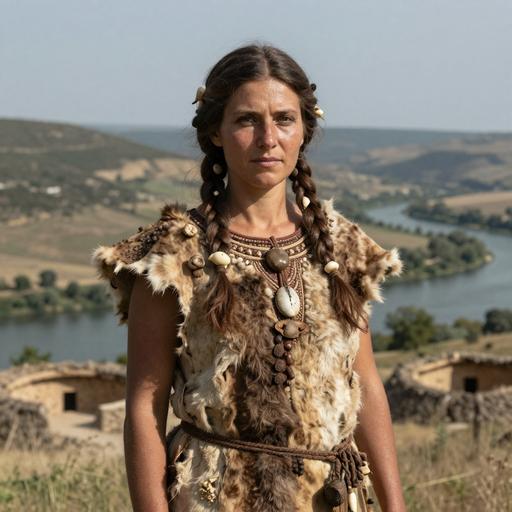
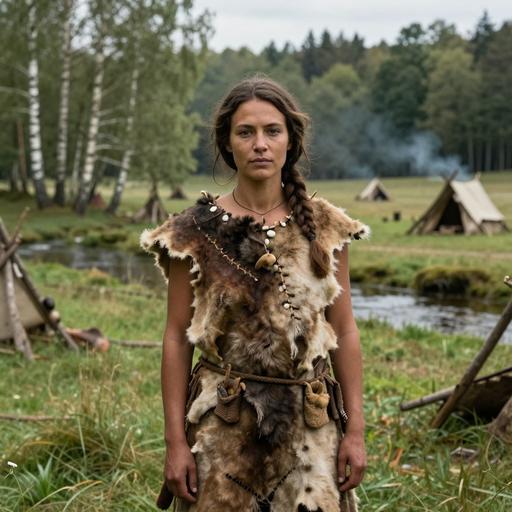
U5B2A is a subclade of mtDNA haplogroup U5B2, itself nested within the broader and ancient European maternal lineage U5. The broader U5 clade is one of the oldest mtDNA lineages associated with post-Last Glacial Maximum (LGM) re-expansion and Mesolithic hunter-gatherer populations across Europe. Based on phylogenetic position and the time depth of its parent clade, U5B2A most likely arose in Western or Northern Europe around the Early Mesolithic (~11 kya) as populations that had survived the LGM diversified during the warming that followed.
Subclades (if applicable)
U5B2A, as a terminal or near-terminal subclade in many phylogenies, may contain further minor internal branches defined by private or rare mutations. In published and catalogue datasets U5B2A often appears as a named terminal lineage rather than a major branching node with many well-documented subclades; local sub-branches may be recognized in high-resolution studies and population-specific sequencing projects.
Geographical Distribution
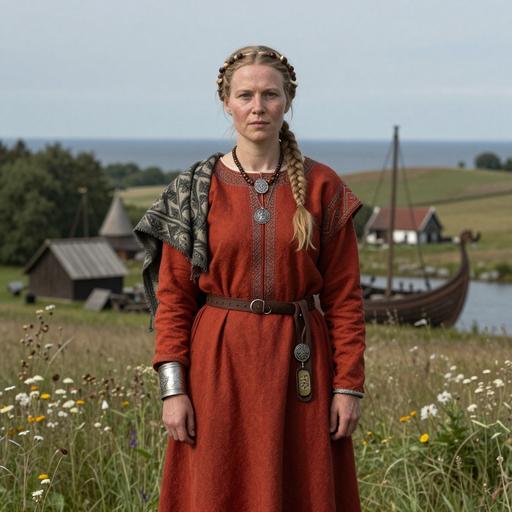
The geographic pattern of U5B2A mirrors that of many U5 sublineages: it is most frequently observed in Northern and Western Europe, present at lower frequencies in Central and Eastern Europe, and occasionally detected at very low frequency in neighboring regions such as the Caucasus, Anatolia, and North Africa, consistent with sporadic gene flow and later population movements. In modern populations it is generally rare to low-moderate in frequency but more common among groups with stronger Mesolithic maternal continuity (including some indigenous northern groups).
Historical and Cultural Significance
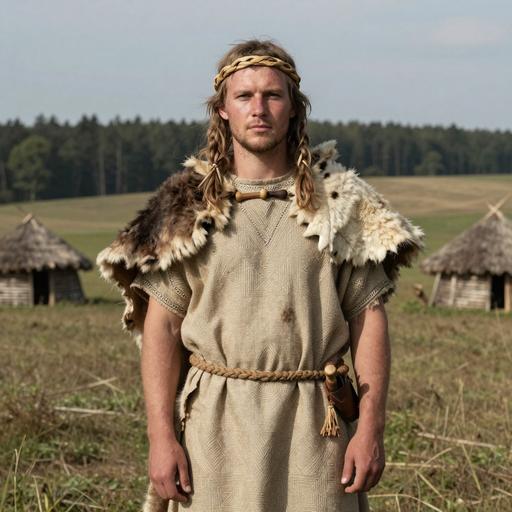
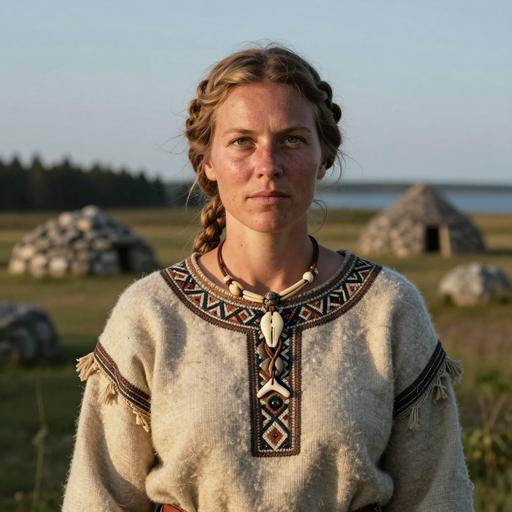
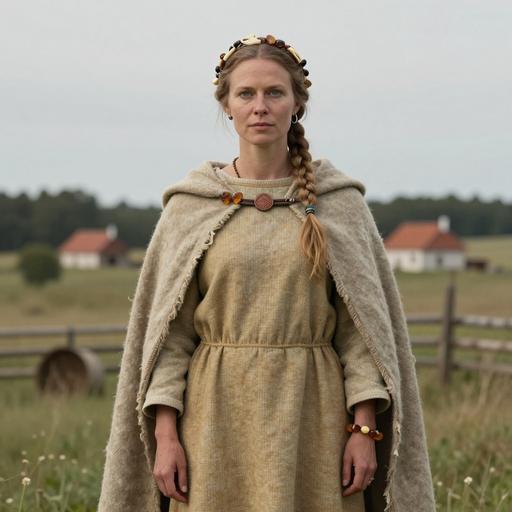
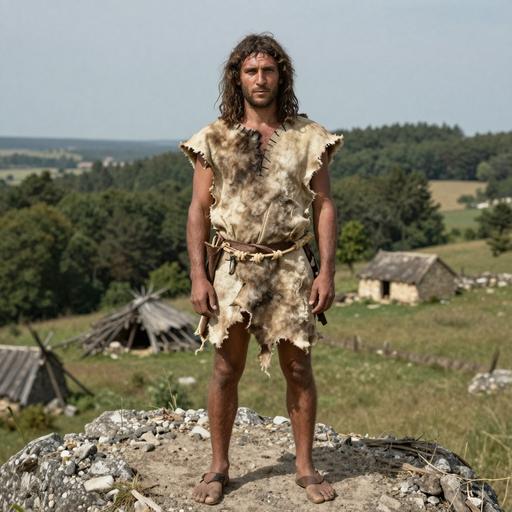
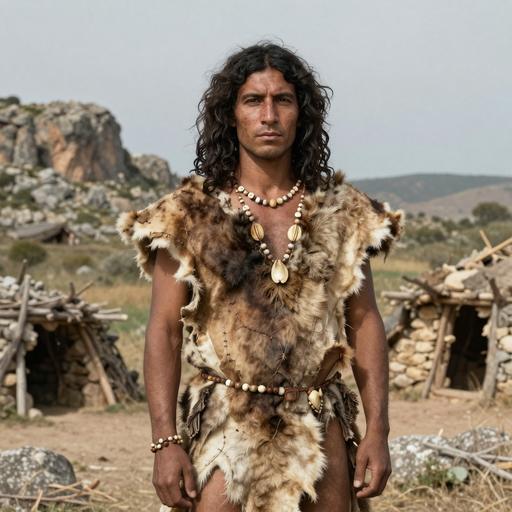
U5B2A is principally linked to the genetic legacy of Late Glacial and Mesolithic hunter-gatherers of Europe. These maternal lineages represent continuity from populations that repopulated much of northern and western Europe after the Last Glacial Maximum. While U5 lineages are less characteristic of early Neolithic farmer communities (who carried higher frequencies of other mtDNA haplogroups), U5B2A and related U5 branches persist through the Neolithic and later eras via admixture and survival in hunter-gatherer-descended groups. As a result, U5B2A can serve as a marker for studies of Mesolithic continuity, postglacial recolonization routes, and the local persistence of hunter-gatherer maternal ancestry into later archaeological cultures.
Conclusion
U5B2A is a geographically northwest-centered, Mesolithic-rooted mtDNA lineage that reflects deep maternal ancestry in Europe. It is relatively rare today but informative for reconstructing post-LGM demographic processes, survival of hunter-gatherer gene pools, and localized maternal continuity through the Neolithic and later periods. High-resolution sequencing and denser ancient DNA sampling may reveal additional internal structure and refine its temporal and geographic history.
Key Points
- Origins and Evolution
- Subclades (if applicable)
- Geographical Distribution
- Historical and Cultural Significance
- Conclusion