Menu
mtDNA Haplogroup • Maternal Lineage

U5B2B1A

mtDNA Haplogroup U5B2B1A

~9,000 years ago
Western/Northern Europe
1 subclades
14 ancient samples
Scroll to explore
Chapter I

The Story

The journey of mtDNA haplogroup U5B2B1A

Origins and Evolution

mtDNA haplogroup U5B2B1A is a downstream branch of U5b2 → U5B2B1, a lineage within the broader U5 family that is one of the oldest and most characteristic maternal clades of post-glacial Europe. Based on its phylogenetic position under U5B2B1 and the time depth of related U5b2 lineages, U5B2B1A most likely arose in Western or Northern Europe during the early Holocene (on the order of ~9–10 kya). Its emergence fits the pattern of post-Last Glacial Maximum (LGM) recolonization and regional continuity of hunter-gatherer populations in northwestern Europe.

Genetically, U5B2B1A represents a survival and local differentiation of Mesolithic maternal diversity. It appears as a relatively rare, geographically biased terminal branch in modern and ancient mitogenome datasets, consistent with drift and founder effects in small, regionally structured populations (for example, in Scandinavia and Sámi-associated groups).

Subclades (if applicable)

As currently defined, U5B2B1A is a terminal subclade of U5B2B1 with limited observed internal diversity in published datasets. Only a small number of complete mitogenomes and control-region matches have been assigned to this subclade so far, so the clade appears to be shallow (few downstream branches) in present phylogenies. Increased sampling of both modern populations in northern Europe and additional ancient DNA from Mesolithic–Neolithic contexts could reveal further sub-branches (e.g., U5B2B1A1, A2, etc.) or expand known internal diversity.

Geographical Distribution

The geographic footprint of U5B2B1A is strongly northern and northwestern European. It has been documented at low but notable frequencies in Scandinavian populations and among Sámi or Sámi-influenced groups, consistent with continuity from Mesolithic hunter-gatherer gene pools in Fennoscandia. Sporadic, low-frequency occurrences are also reported elsewhere in Western, Central and Eastern Europe, and isolated hits in broader West Eurasia (e.g., Anatolia / Caucasus) or North Africa likely reflect rare gene flow events or more complex historical movements.

Ancient DNA evidence (several identified archaeological samples attributed to U5B2B1/U5B2B1A-level lineages) supports a long-term presence in northern Europe from Mesolithic contexts into later periods, although the haplogroup remains uncommon compared with later farmer-associated maternal lineages.

Historical and Cultural Significance

U5B2B1A is informative for studies of post-glacial recolonization and hunter-gatherer persistence in Europe. Its association with Mesolithic ancestry means it is often used as a marker of pre-Neolithic maternal continuity in Scandinavia and adjacent regions. While Neolithic farming expansions brought new maternal lineages (e.g., H, J, T), U5-derived lineages like U5B2B1A frequently persisted at low frequencies, especially in more northerly, less agriculturally transformed environments.

In modern populations, its enrichment in Sámi and some northern Scandinavian groups highlights interactions between indigenous hunter-gatherer-descended communities and later incoming populations. U5B2B1A therefore contributes to reconstructing regional demographic processes such as local survival, drift, and limited maternal continuity through cultural transitions (Mesolithic → Neolithic → Bronze Age).

Conclusion

U5B2B1A is a geographically focused, low-frequency mtDNA lineage that reflects the deep Mesolithic maternal substratum of northern and western Europe. Its limited diversity and occurrence in both ancient and present-day northern populations make it a valuable marker of hunter-gatherer continuity and post-glacial demographic history in Fennoscandia and neighboring regions. Further whole-mitogenome sequencing, denser sampling of northern Eurasian populations, and continued ancient DNA recovery will refine its phylogeny, age estimates, and precise prehistoric distribution.

Key Points

  • Origins and Evolution
  • Subclades (if applicable)
  • Geographical Distribution
  • Historical and Cultural Significance
  • Conclusion
Chapter II

Tree & Relationships

Phylogenetic context and subclades

Evolution Path

This haplogroup's evolutionary journey from its earliest ancestor to the present.

Steps Haplogroup Age Estimate Archaeology Era Time Passed Immediate Descendants Tested Modern Descendants Ancient Connections
1 U5B2B1A Current ~9,000 years ago 🌾 Neolithic 9,000 years 1 5 14
2 U5B2B1 ~10,000 years ago 🌾 Neolithic 10,000 years 1 9 0
3 U5B2B ~10,000 years ago 🌾 Neolithic 10,000 years 5 70 114
4 U5B2 ~12,000 years ago 🌾 Neolithic 12,000 years 5 290 0
5 U5b ~9,000 years ago 🌾 Neolithic 9,000 years 3 495 140
6 U ~46,000 years ago 🦴 Paleolithic 46,000 years 12 2,835 110
7 R ~60,000 years ago 🦴 Paleolithic 60,000 years 12 10,987 57
8 N ~60,000 years ago 🦴 Paleolithic 60,000 years 15 15,452 13
9 L3 ~70,000 years ago 🦴 Paleolithic 70,000 years 11 17,621 6
10 L ~160,000 years ago 🦴 Paleolithic 160,000 years 7 18,987 5
Chapter III

Where in the World

Geographic distribution and modern presence

Place of Origin

Western/Northern Europe

Modern Distribution

The populations where mtDNA haplogroup U5B2B1A is found include:

  1. Western European populations
  2. Northern European populations (including Sámi and other indigenous groups)
  3. Central European populations
  4. Eastern European populations
  5. North African populations (low frequency, sporadic)
  6. Caucasus and Anatolia (low frequency, sporadic)
CHAPTER IV

When in Time

Your haplogroup in the context of human history

~10k years ago

Neolithic Revolution

Agriculture begins, settled communities form

~9k years ago

Haplogroup U5B2B1A

Your mtDNA haplogroup emerged in Western/Northern Europe

Western/Northern Europe
~5k years ago

Bronze Age

Metalworking, writing, and early civilizations

~3k years ago

Iron Age

Iron tools, expanded trade networks

~2k years ago

Classical Antiquity

Greek and Roman civilizations flourish

Present

Present Day

Modern era

Your Haplogroup
Historical Era
Chapter IV-B

Linked Cultures

Ancient cultures associated with mtDNA haplogroup U5B2B1A

Cultural Heritage

These ancient cultures have been linked to haplogroup U5B2B1A based on matching ancient DNA samples from archaeological excavations. The presence of this haplogroup in these cultures provides insights into the migrations and population movements of populations carrying this haplogroup.

Alföld Linear Pottery Bulgarian EBA Cardial Culture Castelnovian Culture Corded Ware Ertebølle Globular Amphora Italian Hunter-Gatherer Tiszadob Group Ukrainian Neolithic
Culture assignments are based on archaeological context of ancient DNA samples and may represent regional associations during specific time periods.
Chapter V

Sample Catalog

Top 14 ancient DNA samples directly related to haplogroup U5B2B1A or parent clades

14 / 14 samples
Portrait Sample Country Era Date Culture mtDNA Match
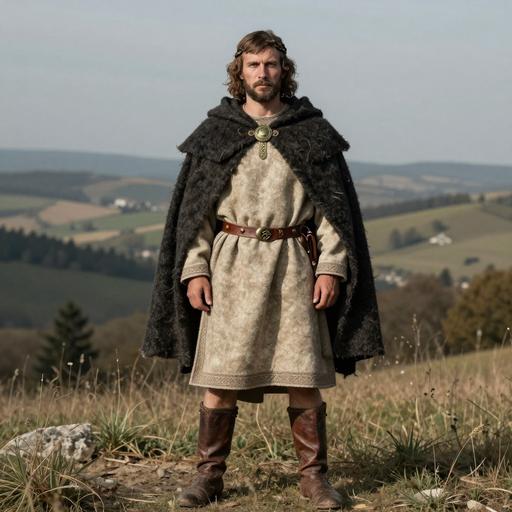
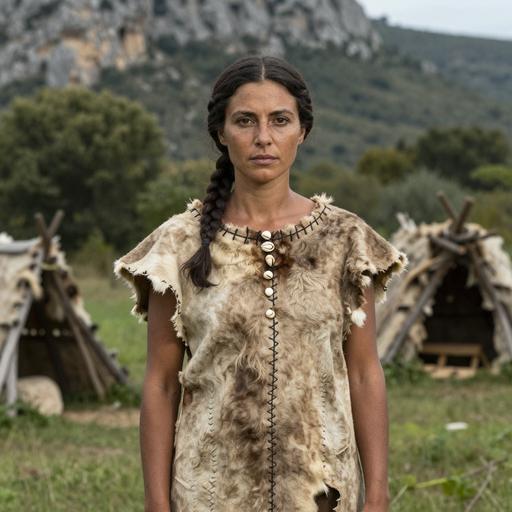
Portrait of ancient individual I17327 from Czech Republic, dated 400 BCE - 200 BCE
I17327
Czech Republic Iron Age La Tène Culture, Czech Republic 400 BCE - 200 BCE La Tène Culture U5b2b1a1 Direct
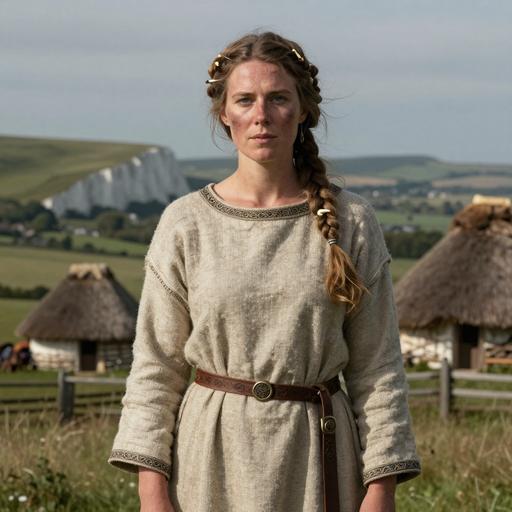
Portrait of ancient individual I14381 from United Kingdom, dated 727 BCE - 400 BCE
I14381
United Kingdom Early Iron Age England 727 BCE - 400 BCE Early British Iron Age U5b2b1a1 Direct
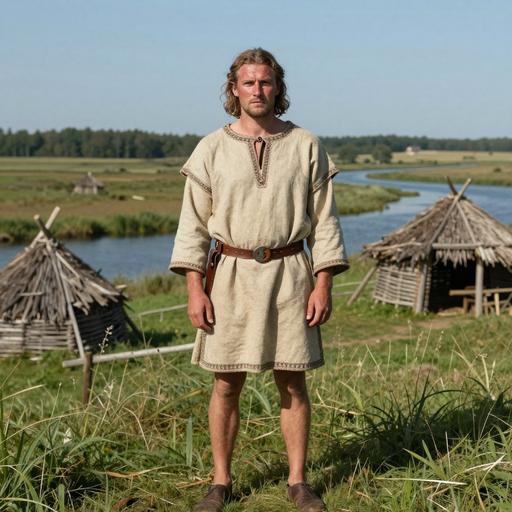
Portrait of ancient individual I13792 from Czech Republic, dated 1300 BCE - 800 BCE
I13792
Czech Republic Late Bronze Age Knoviz Culture, Czech Republic 1300 BCE - 800 BCE Knoviz Culture U5b2b1a1 Direct
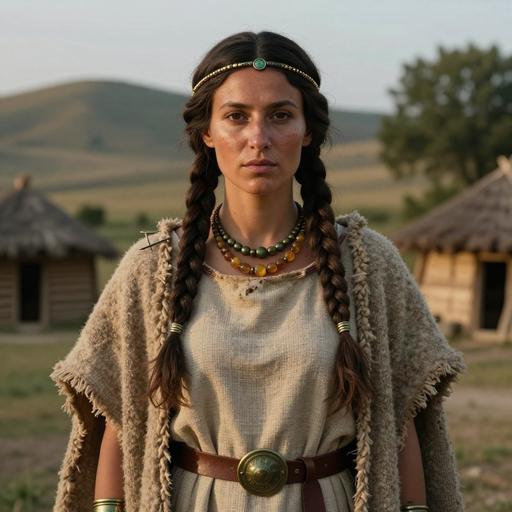
Portrait of ancient individual I6531 from Poland, dated 2288 BCE - 2037 BCE
I6531
Poland Chopice-Vesele Culture, Poland 2288 BCE - 2037 BCE Chlopice-Vesele Culture U5b2b1a1 Direct
Portrait of ancient individual I12900 from Netherlands, dated 2457 BCE - 2145 BCE
I12900
Netherlands Late Neolithic 2 Bell Beaker Culture, Netherlands 2457 BCE - 2145 BCE Bell Beaker U5b2b1a1 Direct
Portrait of ancient individual pcw040 from Poland, dated 2571 BCE - 2305 BCE
pcw040
Poland Corded Ware Culture Southeast Poland 2571 BCE - 2305 BCE Corded Ware U5b2b1a1 Direct
Portrait of ancient individual pcw040 from Poland, dated 2571 BCE - 2305 BCE
pcw040
Poland The Niche Graves Culture 2571 BCE - 2305 BCE U5b2b1a1 Direct
Portrait of ancient individual I19453 from Bulgaria, dated 3000 BCE - 2000 BCE
I19453
Bulgaria Early Bronze Age Bulgaria 3000 BCE - 2000 BCE Bulgarian EBA U5b2b1a Direct
Portrait of ancient individual NEO751 from Denmark, dated 4778 BCE - 4538 BCE
NEO751
Denmark Ertebølle culture 4778 BCE - 4538 BCE Ertebølle U5b2b1a Direct
Portrait of ancient individual I4199 from Hungary, dated 5300 BCE - 4900 BCE
I4199
Hungary Middle Neolithic Alföld Linear Pottery Culture Tiszadob Group, Hungary 5300 BCE - 4900 BCE Tiszadob Group U5b2b1a Direct
Chapter VI

Carrier Distribution Map

Geographic distribution of 14 ancient DNA samples carrying haplogroup U5B2B1A

Time Period Filter
All Time Periods
Showing all samples
Each marker represents an ancient individual
Chapter VII

Temporal Distribution

Distribution of carriers across archaeological periods

Chapter VIII

Geographic Distribution

Distribution of carriers by country of origin

Chapter IX

Country × Era Distribution

Cross-tabulation of carrier countries and archaeological periods

Data

Data & Provenance

Source information and data quality

Last Updated 2026-02-16
Confidence Score 50/100
Coverage Low
Data Source

We use the latest phylotree for MTDNA haplogroup classification and data.