The Story
The journey of mtDNA haplogroup U5B2B1A1
Origins and Evolution
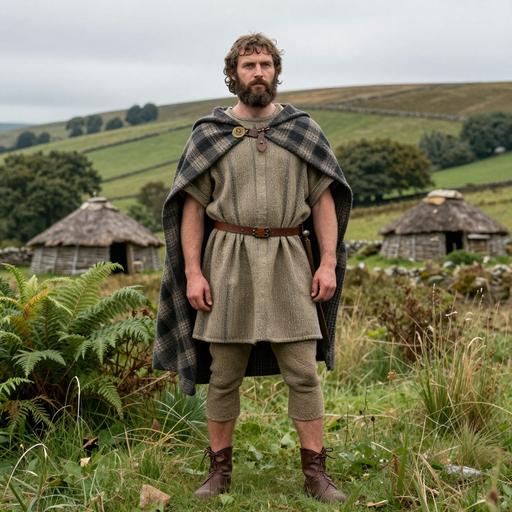
mtDNA haplogroup U5B2B1A1 is a downstream subclade of U5B2B1A, itself nested within the broader and ancient European lineage U5. Lineage U5 arose in Upper Palaeolithic Europe and many of its subclades—particularly U5b derivatives—expanded among post-Last Glacial Maximum (LGM) European hunter-gatherer groups. U5B2B1A likely formed in Western or Northern Europe during the early Holocene as Mesolithic populations reoccupied northern latitudes; the additional derived mutations that define U5B2B1A1 mark a still later split, plausibly in the mid-to-late Holocene (we estimate ~7 kya) as small, regionally restricted maternal lineages persisted and drifted within northern hunter-gatherer and later mixed populations.
Subclades
As a terminal subclade (U5B2B1A1), this haplogroup currently has limited documented downstream diversity in public and research databases, and is best understood as a fine-scale branch within the U5b2b/U5B2B1A portion of the tree. Its immediate parent, U5B2B1A, contains closely related sequences found in both ancient Mesolithic contexts and modern northern populations; additional sequencing and ancient DNA sampling could reveal further substructure or reveal U5B2B1A1 in more archaeological samples.
Geographical Distribution
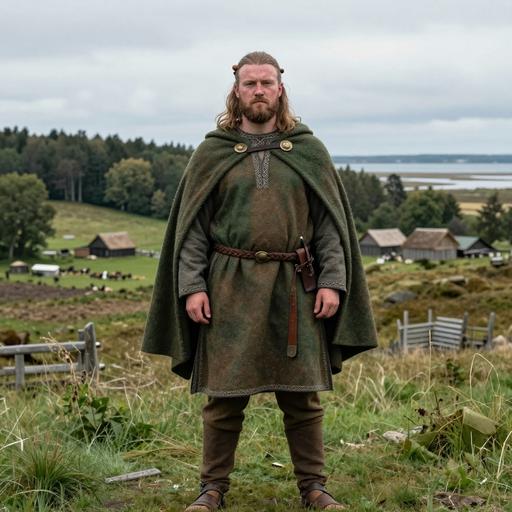
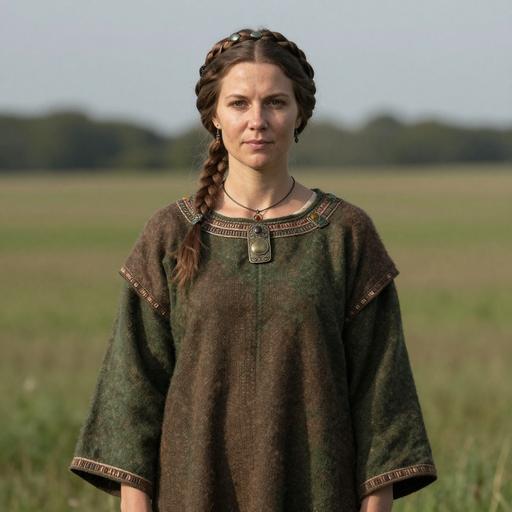
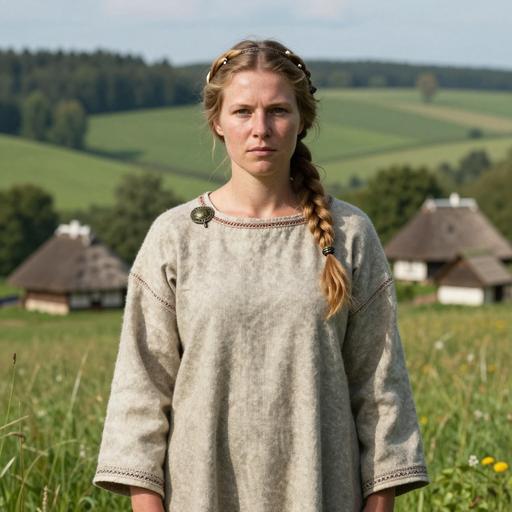
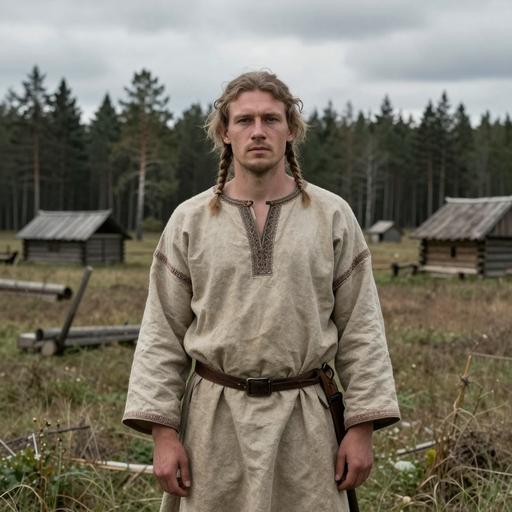
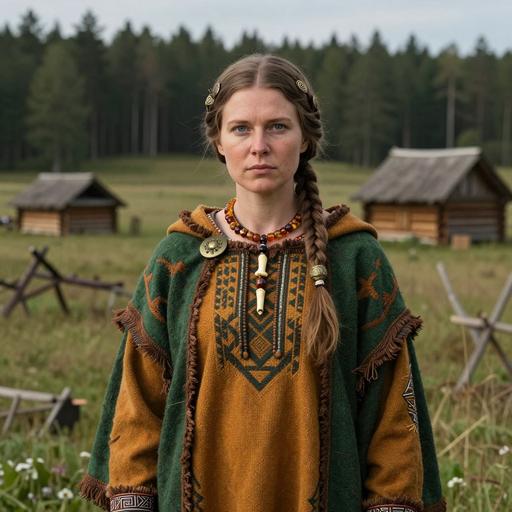
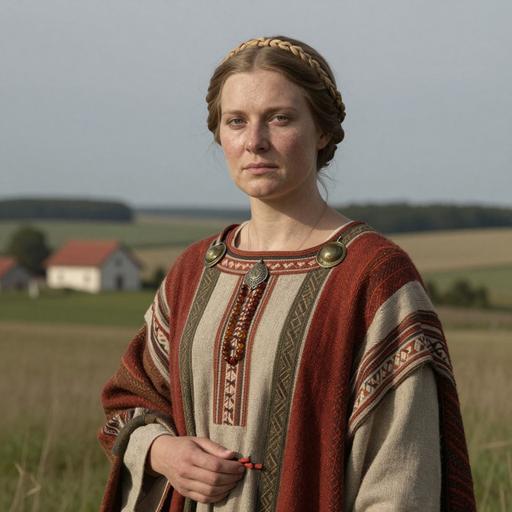
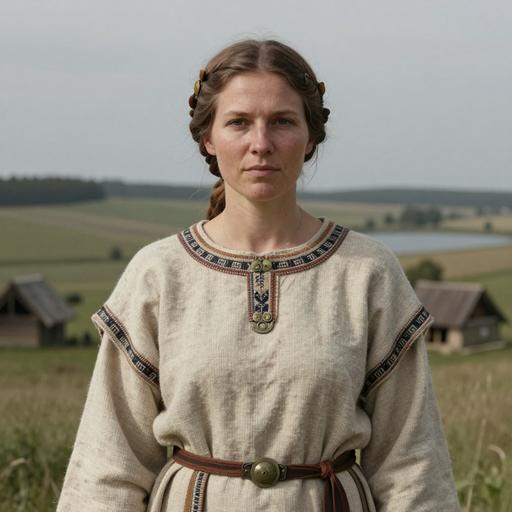
U5B2B1A1 appears to be geographically concentrated in northern and northwestern Europe, with the highest relative persistence in areas with strong continuity from Mesolithic and postglacial hunter-gatherer groups. Modern detections are rare but most frequently reported from Scandinavia and Sámi-influenced populations, with lower-frequency occurrences recorded in other parts of Western, Central and Eastern Europe and sporadic, very low-frequency reports from North Africa and the Near East/Caucasus—likely reflecting later movement and low-level gene flow rather than a primary origin in those regions.
Ancient DNA evidence (several archaeological samples attributed to U5b2-derived lineages) supports a long-term continuity of related U5b subclades in Mesolithic and early Holocene contexts across northern Europe. The presence of this clade in a small number of ancient samples indicates it was present in archaeological contexts but never a dominant maternal lineage outside localized pockets.
Historical and Cultural Significance
Haplogroup U5B2B1A1 is informative primarily for studies of postglacial population continuity and local demographic processes in northern Europe. Because U5 lineages are hallmark markers of European hunter-gatherers, detection of U5B2B1A1 in modern or ancient remains is often interpreted as evidence for Mesolithic ancestry or continuity from early Holocene forager populations. In regions such as northern Scandinavia and among Sámi communities, U5-derived lineages contribute to the genetic signatures that distinguish populations with substantial hunter-gatherer substrate from those dominated by Neolithic farmer or Bronze Age steppe ancestries.
Although this clade is not associated with large, continent-scale migrations (unlike haplogroups tied to the Neolithic agricultural expansion or Bronze Age steppe movements), it is valuable for reconstructing microevolutionary processes—bottlenecks, drift, and local persistence—especially in high-latitude environments where small effective population sizes favoured lineage survival or loss.
Conclusion
U5B2B1A1 is a rare, geographically focused mtDNA subclade reflecting the long-term persistence of Mesolithic-derived maternal ancestry in northern and parts of western Europe. Its scarcity in modern datasets and limited presence in ancient samples indicate it represents localized maternal continuity and drift rather than a broad demographic expansion. Continued ancient DNA sampling and high-resolution mitogenome sequencing in northern Europe will refine its phylogenetic placement, geographic spread, and the timing of its diversification.
Key Points
- Origins and Evolution
- Subclades
- Geographical Distribution
- Historical and Cultural Significance
- Conclusion