The Story
The journey of mtDNA haplogroup U5B2B5
Origins and Evolution
Haplogroup U5B2B is a downstream subclade of U5b2, itself a branch of the broader U5 lineage that is among the oldest and most characteristic maternal lineages of Upper Paleolithic and Mesolithic Europe. U5 lineages expanded in Europe during and after the Last Glacial Maximum (LGM); U5b2 and its derivatives are generally interpreted as part of the post-LGM European hunter-gatherer genetic substrate. Based on phylogenetic position and ancient DNA recovery, U5B2B most likely diversified in western or northern Europe during the early Holocene (roughly around 10 kya), persisting through Mesolithic and later periods at low frequency.
Subclades (if applicable)
U5B2B is a terminal or near-terminal subclade within U5b2 in most published phylogenies and a number of identified samples. Where present, further internal branching of U5B2B is rare in current datasets, reflecting either low historical effective population size for this lineage or limited sampling. Research and expanding ancient DNA datasets may reveal additional internal structure, but at present U5B2B is treated as a relatively rare, low-diversity subbranch of U5b2.
Geographical Distribution
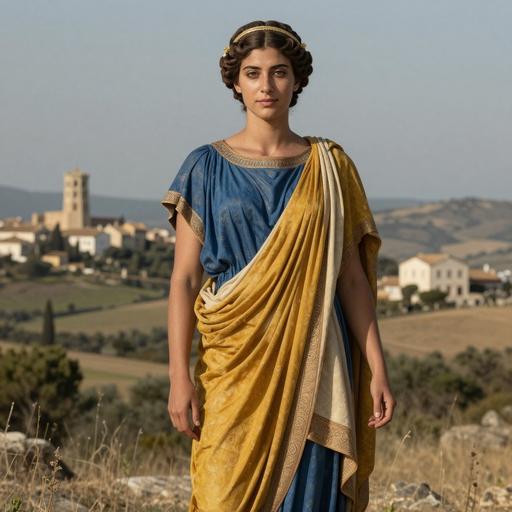
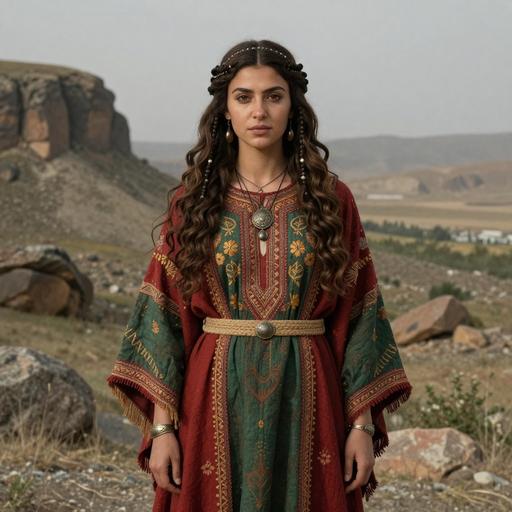
The distribution of U5B2B is concentrated in northwest and northern Europe with sporadic low-frequency occurrences elsewhere. It is recovered in Mesolithic and later archaeological contexts in northern and western Europe and is observed at low frequencies in modern populations, notably in some northern Scandinavian and Saami-associated samples. Occasional detections in central and eastern Europe, parts of Anatolia/Caucasus, and North Africa likely reflect later mobility, small-scale gene flow, or incomplete sampling rather than major demographic expansions.
Historical and Cultural Significance
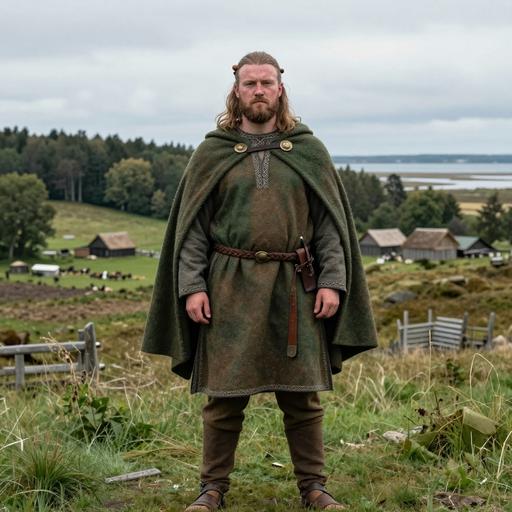
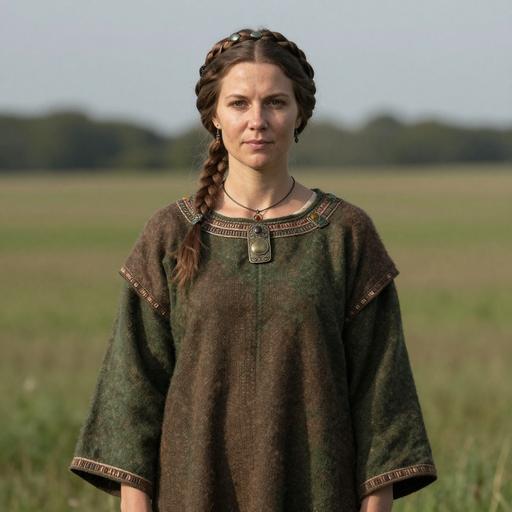
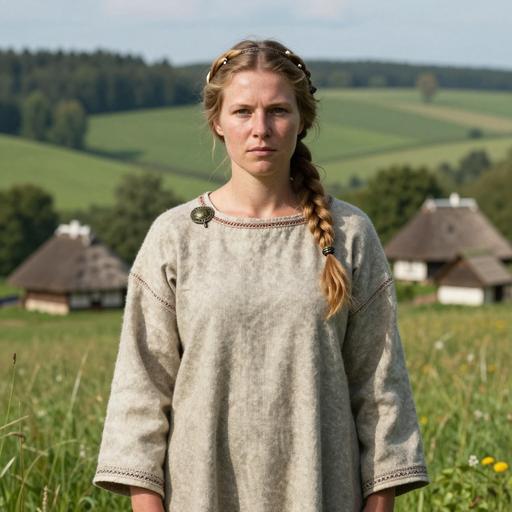
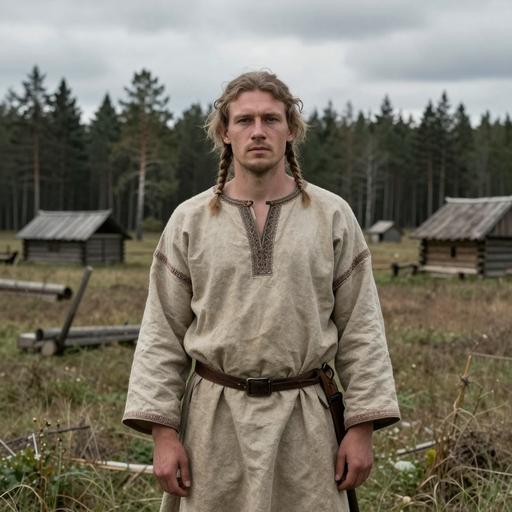
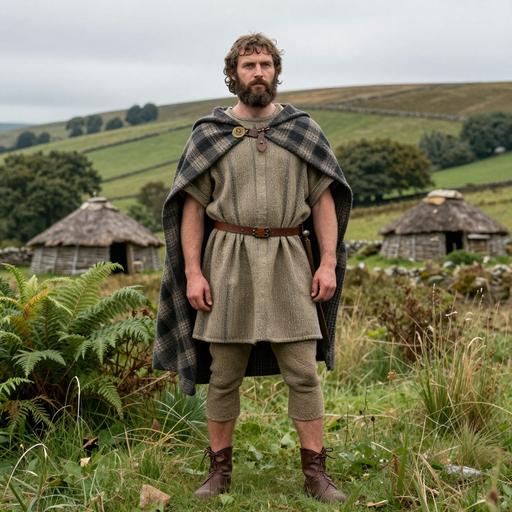
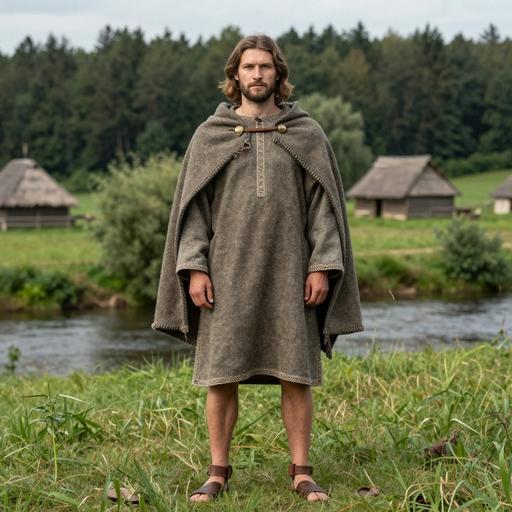
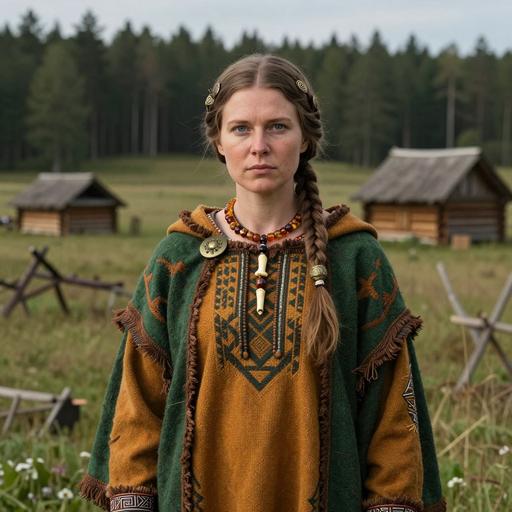
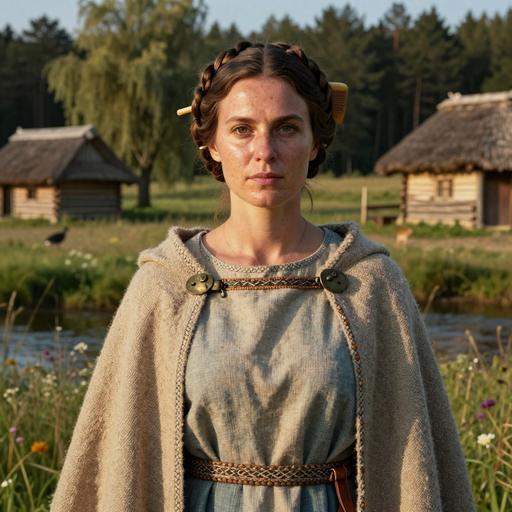
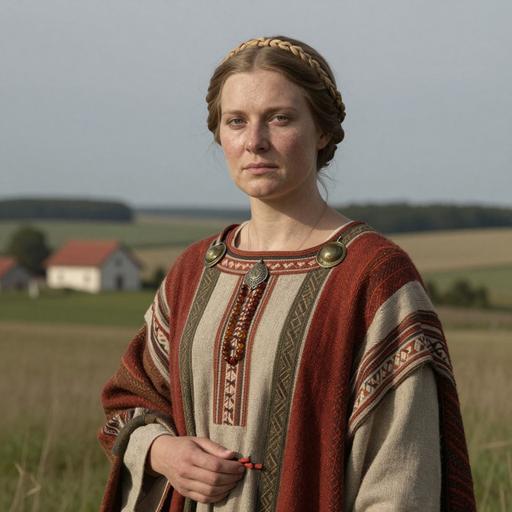
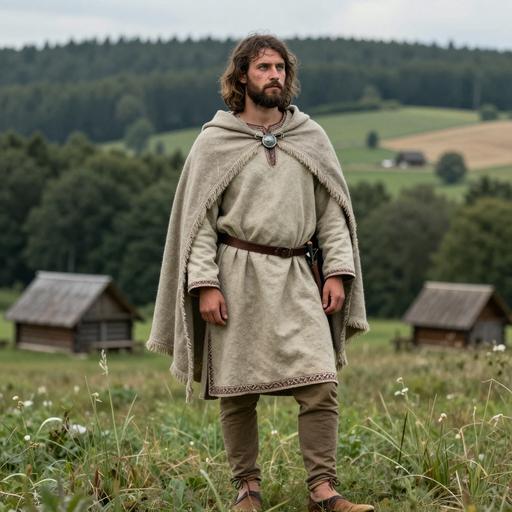
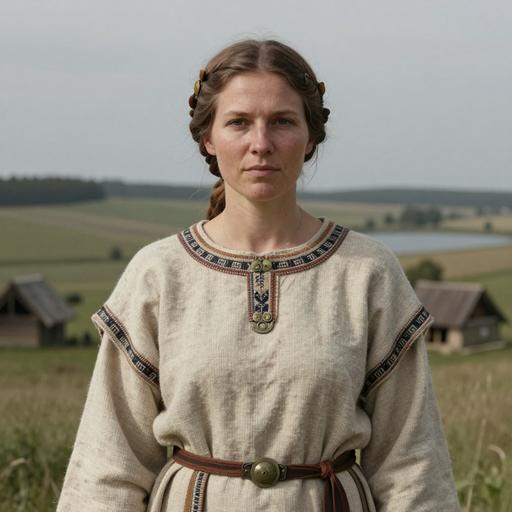
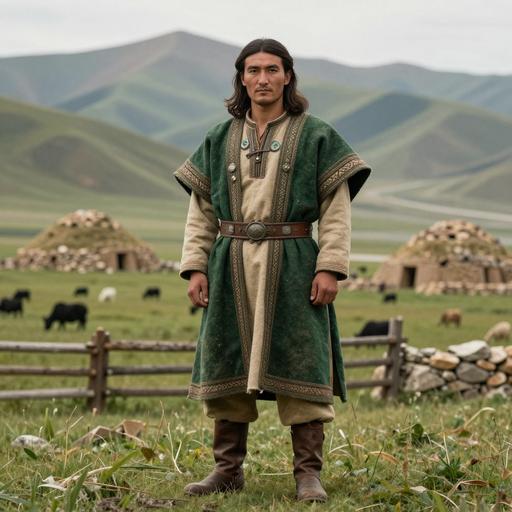
U5B2B is best interpreted as part of the maternal legacy of European hunter-gatherers who repopulated parts of Europe after the LGM. It is therefore archaeologically associated primarily with Mesolithic forager contexts in northern and western Europe. Over the Neolithic and Bronze Age, U5B2B persists at low frequencies, coexisting with incoming farmer-associated maternal lineages (for example haplogroup H and various N-derived lineages) and later steppe-related movements; its continued presence into modern populations documents continuity of some hunter-gatherer maternal lines despite cultural and demographic transitions.
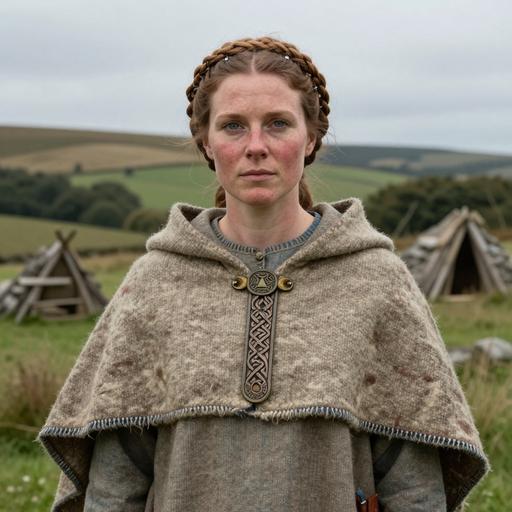
Notably, a number of detected instances are from high-latitude regions where maternal lineages with deep Mesolithic roots (including other U5 and U4 branches) are relatively enriched, which has made U5B2B of interest in studies of northern European and Saami maternal ancestry.
Conclusion
U5B2B is a rare but informative mtDNA lineage that exemplifies the persistence of Mesolithic European maternal ancestry in northern and western Europe. Its scarcity and limited substructure mean that it is most useful in combination with other genetic and archaeological data to infer local continuity and small-scale movements rather than large-scale migrations. Ongoing ancient DNA sampling and higher-resolution mitogenomes may refine its internal phylogeny and historical dynamics.
Key Points
- Origins and Evolution
- Subclades (if applicable)
- Geographical Distribution
- Historical and Cultural Significance
- Conclusion