The Story
The journey of mtDNA haplogroup U5B2C1
Origins and Evolution
mtDNA haplogroup U5B2C1 sits as a downstream branch within the U5b2 subclade of haplogroup U5, one of the oldest and most characteristic maternal lineages associated with European Pleistocene and early Holocene hunter-gatherers. The broader U5 lineage arose in Upper Paleolithic Europe, while U5b2 and its descendants diversified later; U5B2C1 is estimated to have formed in Western/Northern Europe in the early Holocene (around ~9 kya). Its phylogenetic position—nested under U5b2C—indicates a regional derivation from local Mesolithic hunter-gatherer populations and subsequent survival through population turnover events.
Subclades (if applicable)
U5B2C1 is itself a terminal or near-terminal branch in many modern and ancient sequence datasets, with limited internal diversity compared with older U5 lineages. Its immediate parent is U5b2C (also referred to as U5B2C in some literature); further sister branches within U5b2 include other low-frequency subclades that share diagnostic mutations reflecting a common Mesolithic ancestry. The scarcity of deeply branching substructure beneath U5B2C1 in published datasets implies a relatively recent split or a history of drift and bottlenecks that reduced diversity.
Geographical Distribution
The modern distribution of U5B2C1 is patchy and of generally low frequency. It is most reliably reported in Northern and Western European populations (including some indigenous groups such as the Saami), present at low frequencies in Central and Eastern Europe, and occurs sporadically in neighboring regions such as parts of North Africa and the Caucasus/Anatolia. This spatial pattern is consistent with origin in northern/ western Europe followed by localized persistence and occasional outward dispersal through later contacts and population movements. The haplogroup has been identified in multiple ancient DNA samples (11 samples in the referenced database), confirming its presence in archaeological contexts and supporting continuity from Mesolithic/early Holocene time depths in Europe.
Historical and Cultural Significance
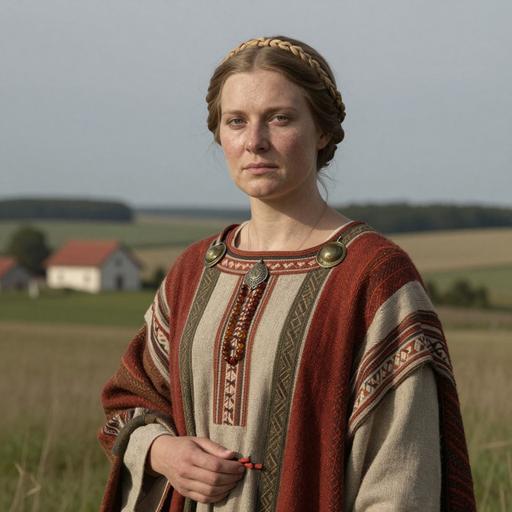
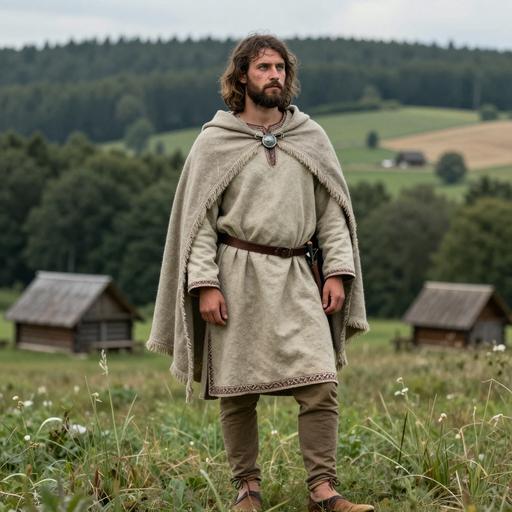
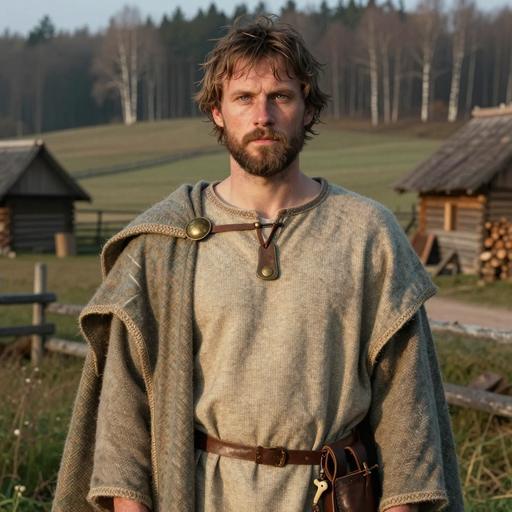
Because U5 and its subclades are strongly associated with European hunter-gatherers, the presence of U5B2C1 in archaeological and modern samples is informative about pre-Neolithic ancestry in a region. The lineage likely reflects remnants of Mesolithic maternal ancestry that persisted through the Neolithic and Bronze Age periods, sometimes becoming incorporated into populations associated with later archaeological cultures via admixture. Low-frequency survival in groups such as the Saami and in some western European populations may reflect founder effects, genetic drift in small or isolated communities, and limited female-mediated gene flow.
Conclusion
U5B2C1 is a diagnostically informative but rare mtDNA subclade that encapsulates a fragment of Europe's Mesolithic maternal heritage. Its presence in both ancient and modern samples underscores localized continuity in parts of northern and western Europe and illustrates how deep Paleolithic and Mesolithic lineages can persist at low frequencies into the present. The haplogroup's restricted distribution and low diversity highlight the role of drift, isolation, and episodic migration in shaping maternal lineages after the end of the last Ice Age.
Key Points
- Origins and Evolution
- Subclades (if applicable)
- Geographical Distribution
- Historical and Cultural Significance
- Conclusion