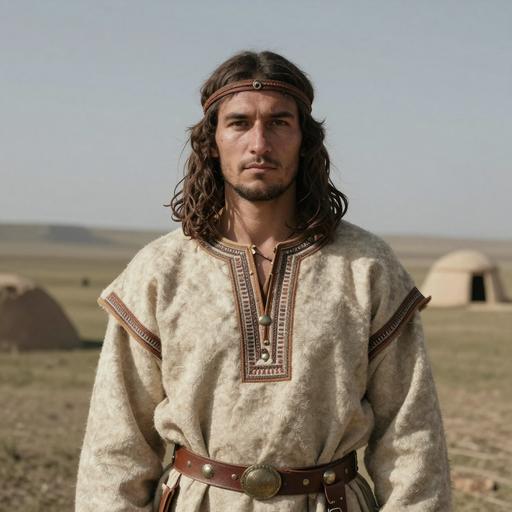
The Story
The journey of mtDNA haplogroup W6
Origins and Evolution
mtDNA haplogroup W6 is a downstream lineage of the broader haplogroup W, which itself is inferred to have emerged in the Near East / South Asian region during the Late Pleistocene to early Holocene. As a subclade, W6 likely arose several thousand years after the founding of W, during the early to mid-Holocene (on the order of ~9 kya by phylogenetic estimates). Its phylogenetic position within W indicates it derives from maternal lineages that had already dispersed across West Eurasia and South Asia, and its mutational profile distinguishes it from other W subclades.
Subclades
W6 is one branch within the W phylogeny and may contain further sublineages (designated in literature by additional numeric/letter suffixes) that show localized structure in specific regions (for example, distinct sub-branches in South Asia vs. the Caucasus). The internal diversity of W6 is generally lower than that of older, more widespread haplogroups, consistent with a more recent origin and/or founder effects in regional populations.
Geographical Distribution
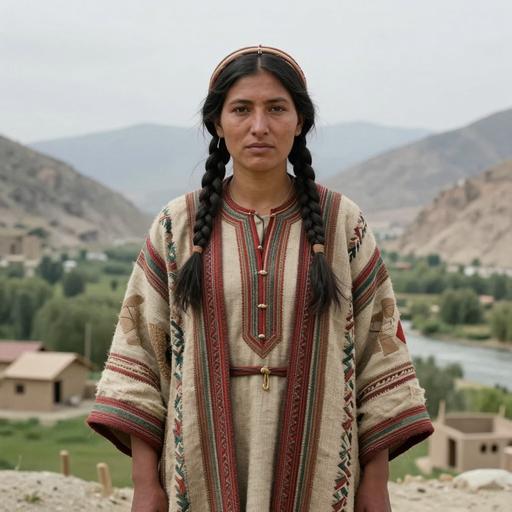
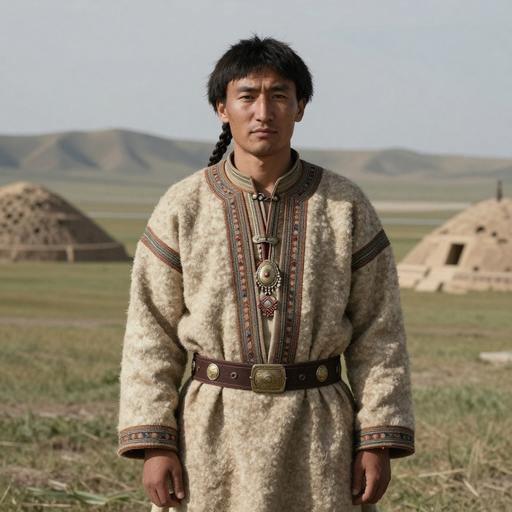
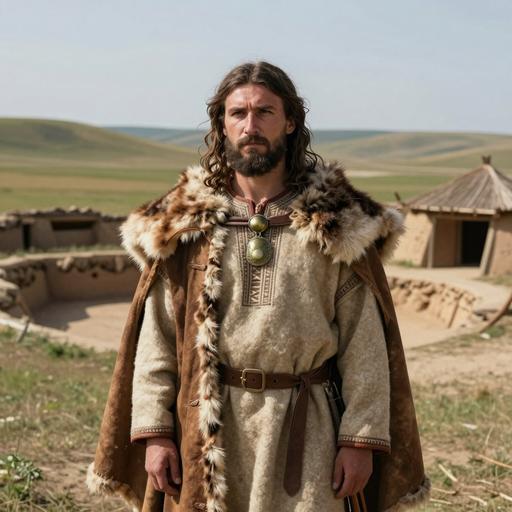
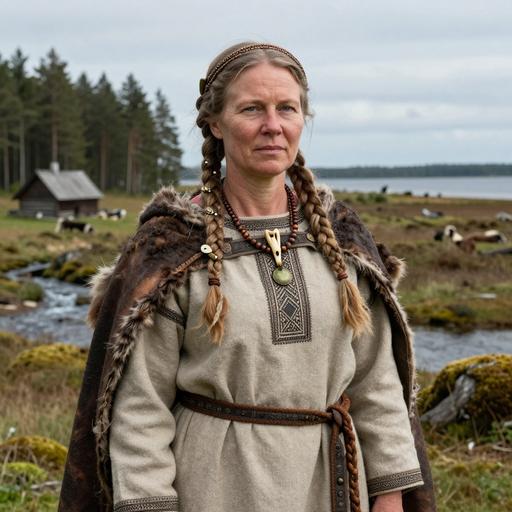
W6 is observed at low to moderate frequencies across a broad but patchy geographic area. Strongest representation is in parts of South Asia (including India and Pakistan) and in the Caucasus and adjacent Iranian plateau, with additional occurrences in Near Eastern populations, scattered Central Asian groups, and low-frequency detections in eastern and northern Europe and parts of western China and southern Siberia. The pattern suggests an origin near the Near East / South Asia with subsequent dispersal through prehistoric migrations and later historical movements, including Neolithic agricultural expansions and Bronze Age regional interactions.
Historical and Cultural Significance
Because of its geographic footprint, W6 likely rode along demographic processes associated with Neolithic farmer dispersals from the Near East into surrounding regions and with later south-to-north and east-to-west movements that affected South Asia, the Caucasus, and Central Asia. W6 appears in some ancient DNA datasets at modest numbers, which supports its presence in archaeological contexts from the Holocene. In South Asia it can be found among populations with deep regional continuity as well as groups influenced by Bronze Age and Iron Age cultural horizons (for example, connections that might reflect contacts with the Indus Valley cultural sphere). In the Caucasus and Near East, W6 likely reflects local maternal continuity combined with episodic gene flow from neighboring regions.
Conclusion
W6 is a geographically widespread but low-frequency mtDNA subclade of W that provides useful signal for studying maternal connections among the Near East, South Asia, the Caucasus, and adjacent regions during the Holocene. Its age and distribution are consistent with post-glacial expansions and Holocene demographic processes (notably Neolithic dispersals and later regional interactions), and its presence in both modern and ancient samples makes it a helpful marker for fine-scale regional ancestry studies.
Key Points
- Origins and Evolution
- Subclades
- Geographical Distribution
- Historical and Cultural Significance
- Conclusion