The Story
The journey of Y-DNA haplogroup N1A
Origins and Evolution
Y-DNA haplogroup N1A arises as a primary downstream branch of haplogroup N, a lineage that originated in Northeast/East Asia in the Late Pleistocene. Based on the phylogenetic position of N1A relative to other N subclades and coalescent age estimates for closely related lineages, N1A most likely diversified around the terminal Pleistocene to early Holocene (roughly ~17 kya, with uncertainty of several thousand years). Its early history was shaped by northward and westward movements into Siberia and the forest-steppe and taiga zones of northern Eurasia, where subsequent population isolation and founder events produced the distinct substructure observed today.
Subclades (if applicable)
Several downstream lineages of N1A (reported under various SNP labels in the literature, often encountered as regional branches) are associated with different geographic and linguistic groups. Notable descendant lineages include branches prevalent among Uralic-speaking groups in Fennoscandia and the Volga region and separate branches found among Turkic- and Tungusic-speaking populations in Siberia. In population studies these subclades are sometimes referred to by marker names (for example, lineages commonly noted in Uralic populations in the literature), and they exhibit different coalescent ages consistent with multiple expansions during the Holocene.
Geographical Distribution
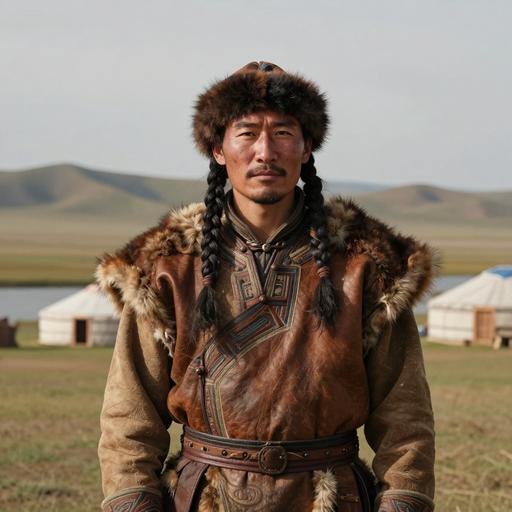
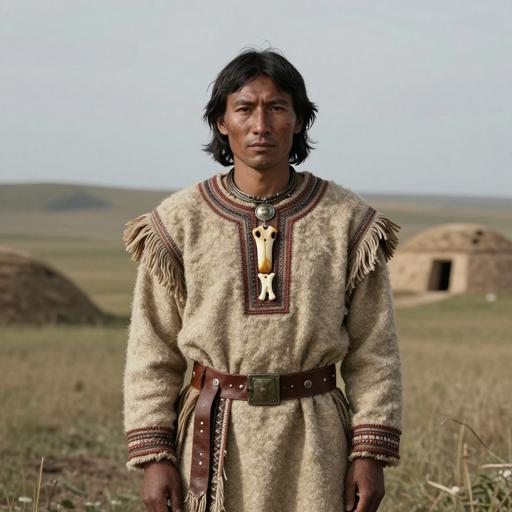
Today N1A is concentrated in northern Eurasia with clinal declines away from its Siberian/Northeast Asian focus. It reaches its highest frequencies in parts of northern and northeastern Europe (notably among Finnic and some Baltic populations), and among many indigenous Siberian groups. Moderate frequencies occur in parts of eastern Europe (including northern Russia) and lower-frequency occurrences extend into Central and Northeast Asia. Ancient DNA evidence, while limited, has identified N1A and related N lineages in Holocene contexts across northern Eurasia, supporting continuity and recurrent movement across this broad region.
Historical and Cultural Significance
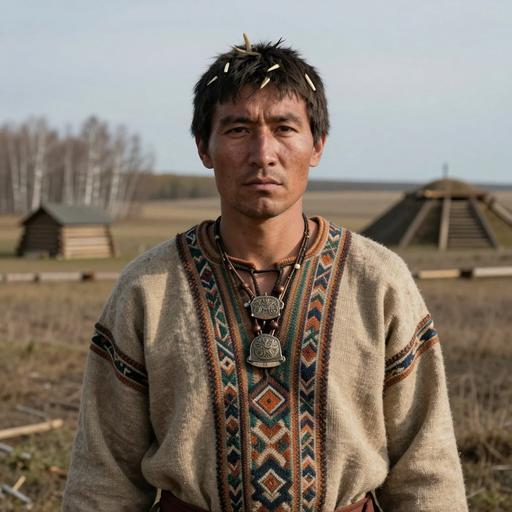
The distribution and substructure of N1A align closely with post-glacial recolonization of northern Eurasian forests and taiga, and with later cultural processes such as the spread of Uralic languages. Archaeological and genetic correlations suggest interactions with northern Mesolithic and Neolithic hunter-gatherer groups (for example, Comb Ceramic/early northeastern European contexts) and further shaping during Bronze Age mobility episodes in the Eurasian north. In historical times, N1A-bearing populations include groups with distinctive adaptations to northern environments (reindeer pastoralists, taiga foragers) and populations active in medieval and later movements across northern Eurasia.
Conclusion
Y-DNA haplogroup N1A represents a key northern Eurasian paternal lineage that documents a major Late Pleistocene/Early Holocene expansion from Northeast/East Asia into Siberia and northern Europe. Its modern pattern—high frequency in some Finnic, Baltic-adjacent, and Siberian groups with diverse downstream subclades—reflects both deep Pleistocene roots and repeated Holocene demographic processes, including local founder effects, language spread, and regional migrations.
Key Points
- Origins and Evolution
- Subclades (if applicable)
- Geographical Distribution
- Historical and Cultural Significance
- Conclusion