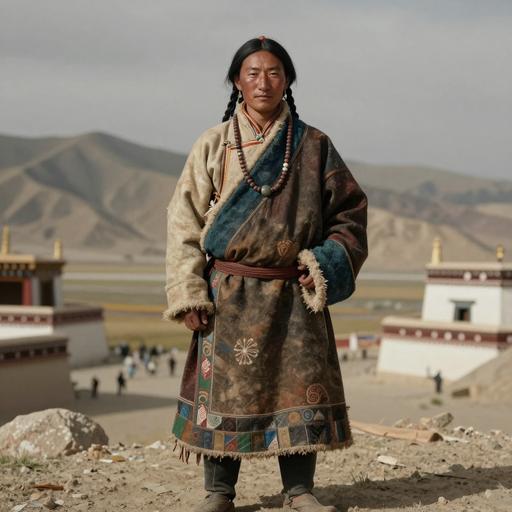
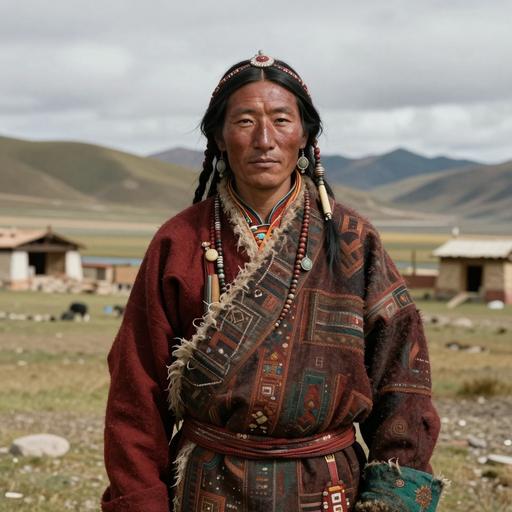
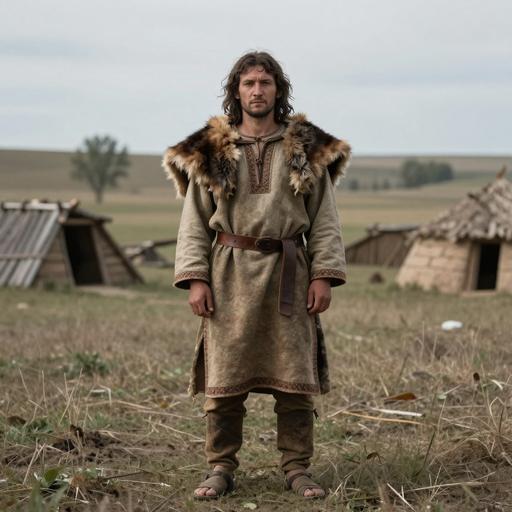
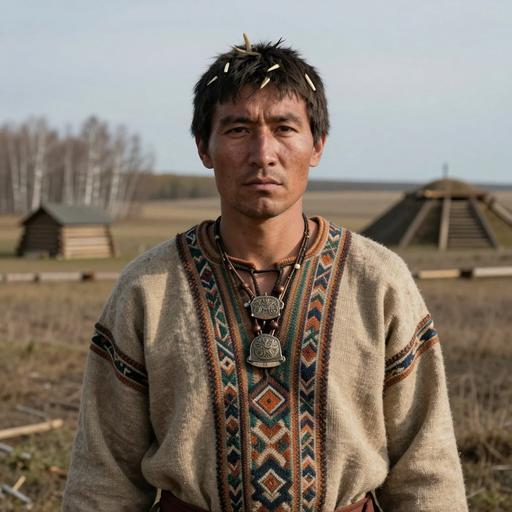
The Story
The journey of Y-DNA haplogroup N1A1
Origins and Evolution
Y-DNA haplogroup N1A1 is a downstream branch of N1A, a lineage that formed in northeastern/East Asia during the Late Pleistocene. N1A1 most likely diversified after the Last Glacial Maximum during the Late Glacial or early Holocene (roughly within the last ~12 thousand years), as human groups recolonized northern Eurasia. Its emergence fits a model in which an ancestral N1A population expanded northward and westward across Siberia, with subclades like N1A1 arising as populations adapted to high-latitude environments and became regionally structured.
Ancient DNA evidence for N1A1 is limited but present; the haplogroup appears in a small number of archaeological samples (five in the referenced database), consistent with a pattern of localized presence in northern Eurasian contexts rather than a pan-continental dominance.
Subclades
N1A1 itself may contain finer substructure that corresponds to geographic and linguistic boundaries (for example, branches enriched in Fennoscandia versus branches more common in Siberian indigenous groups). As sequencing of modern and ancient Y chromosomes expands, researchers are resolving more downstream SNPs that partition N1A1 into geographically informative subclades. These downstream lineages help trace post-glacial recolonization routes and later Holocene migrations tied to Uralic-language dispersals and Siberian population dynamics.
Geographical Distribution
N1A1 shows a distribution focused on northern Eurasia with the highest frequencies in parts of Fennoscandia and among some Siberian indigenous groups. It is commonly detected in:
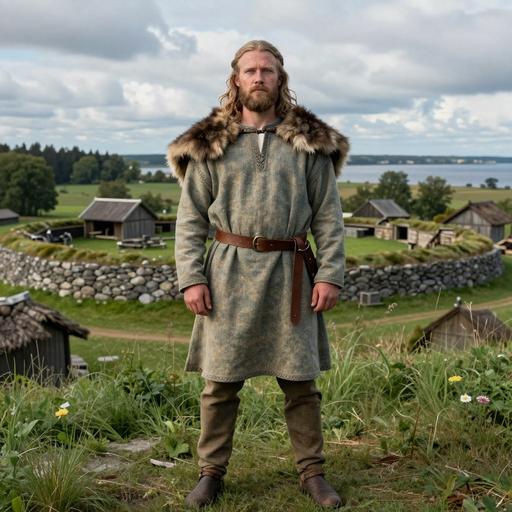
- Northern European populations (notably among some Finnic-speaking groups and the Saami),
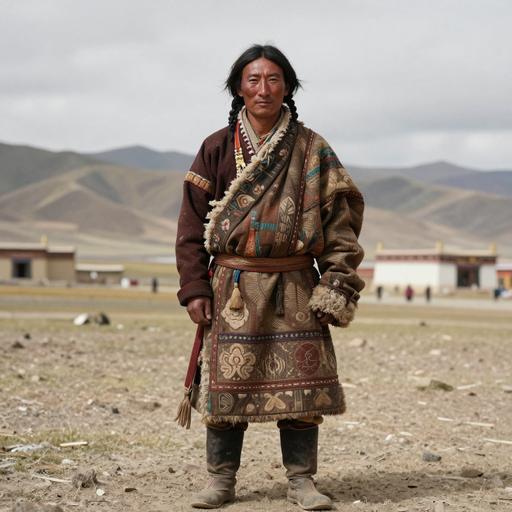
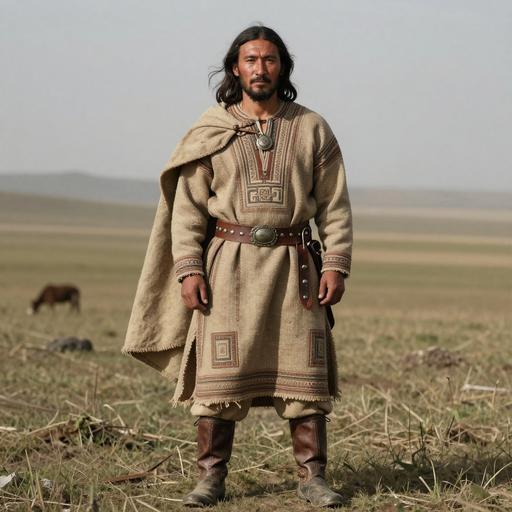
- Indigenous Siberian groups (e.g., Evenks, Nenets, Yakuts in varying frequencies),
- Northern Russians and other populations of north-eastern Europe (e.g., Komi),
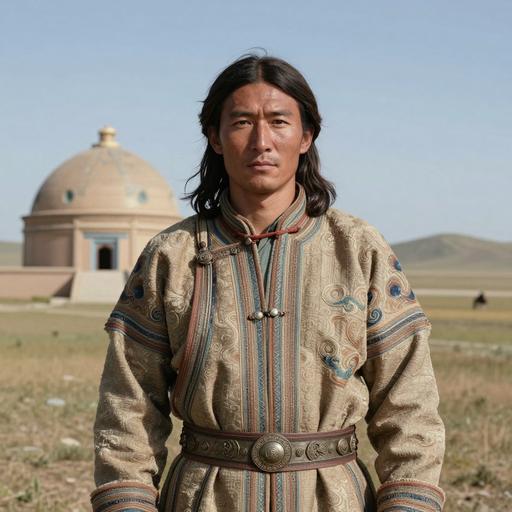
- Scattered occurrences at low frequencies in parts of northeastern China and northern Mongolia.
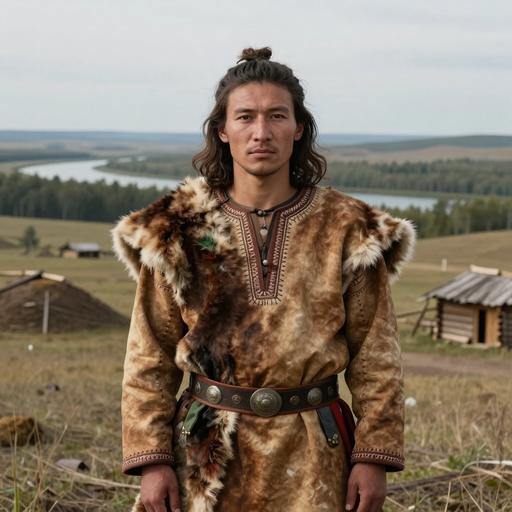
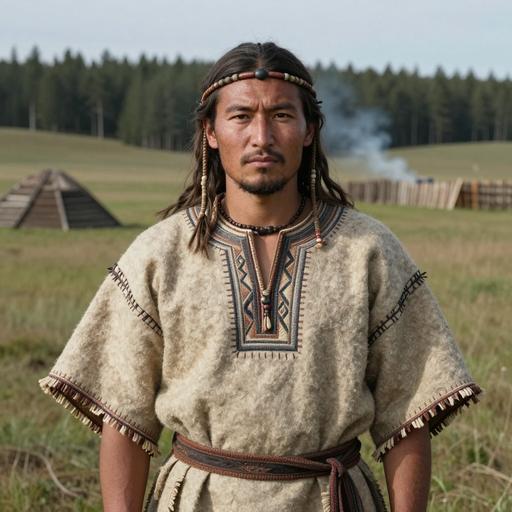
The spatial pattern suggests a north-to-west spread with local differentiation: in Europe the haplogroup often concentrates in northern and northeastern zones associated with Uralic-speaking communities and post-glacial hunter-gatherer refugia, while in Siberia it is one of several N-derived lineages common among northern steppe and taiga populations.
Historical and Cultural Significance
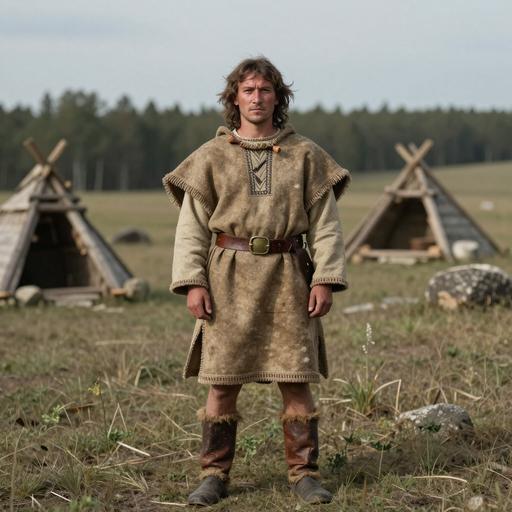
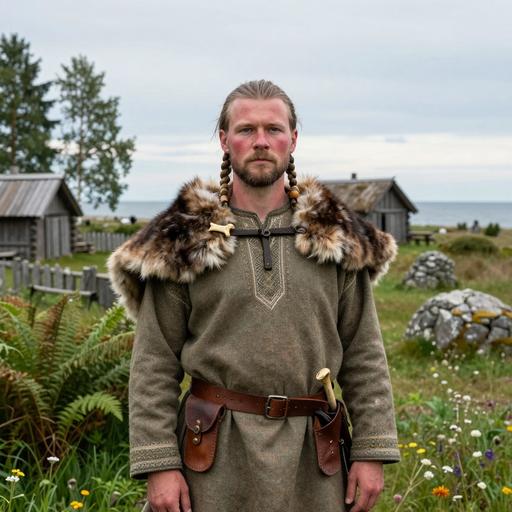
Genetically, N1A1 contributes to the Y-chromosome signature commonly associated with Uralic-speaking populations and other northern Eurasian groups. Archaeologically, N1A1 and related N subclades are plausibly linked to the genetic substrates of Mesolithic and Neolithic hunter-gatherer communities in Fennoscandia and the Baltic (e.g., Comb Ceramic contexts) and later to populations participating in Holocene north Eurasian cultural dynamics.
During the Bronze Age and later prehistoric periods, some subclades of N likely moved alongside or into regions influenced by broader cultural complexes (interaction with Corded Ware-related and steppe-associated groups in eastern Europe), contributing to regional genetic mosaics rather than wholesale replacement. In historical times, N1A1-bearing lineages are detectable among groups historically identified as Finnic, Saami, Komi, Nenets and other northern communities, reflecting long-term persistence of paternal lineages adapted to northern ecologies.
Conclusion
N1A1 is an informative marker for studies of northern Eurasian population history: its phylogenetic position within N1A and its geographic concentrations make it a useful indicator of post-glacial northward expansions, local differentiation in Fennoscandia and Siberia, and connections to Uralic-speaking populations. Continued high-resolution sequencing and increased ancient DNA sampling will refine the timing and routes of N1A1 subclade dispersals and clarify its role in prehistoric cultural interactions.
Key Points
- Origins and Evolution
- Subclades
- Geographical Distribution
- Historical and Cultural Significance
- Conclusion