The Story
The journey of Y-DNA haplogroup O1B1A1A1A
Origins and Evolution
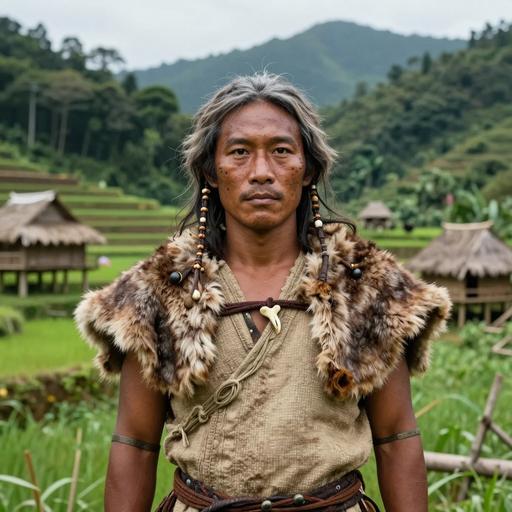
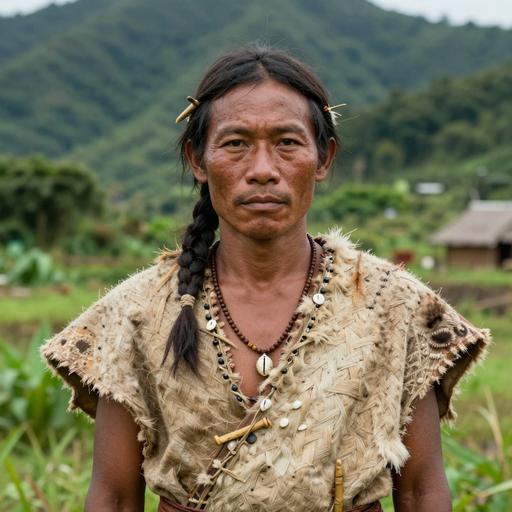
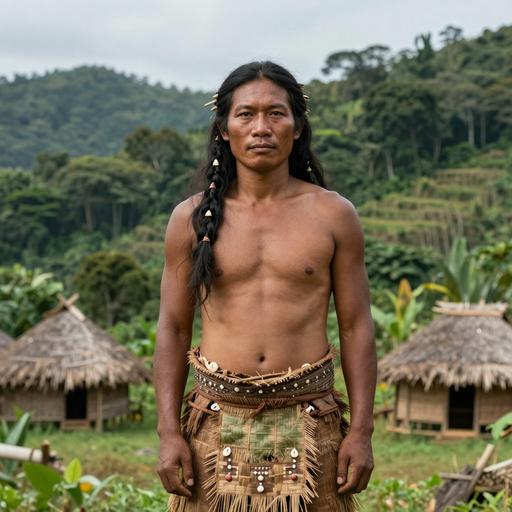
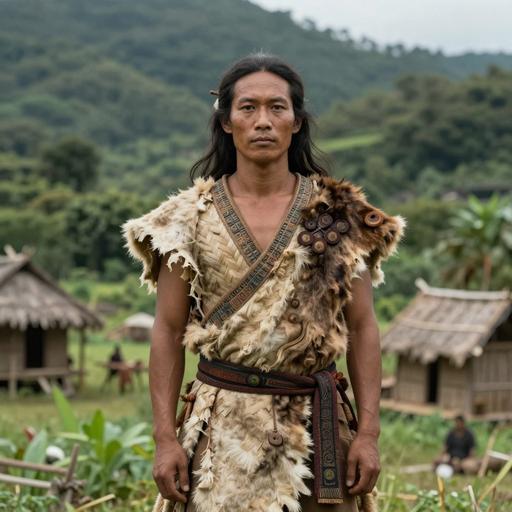
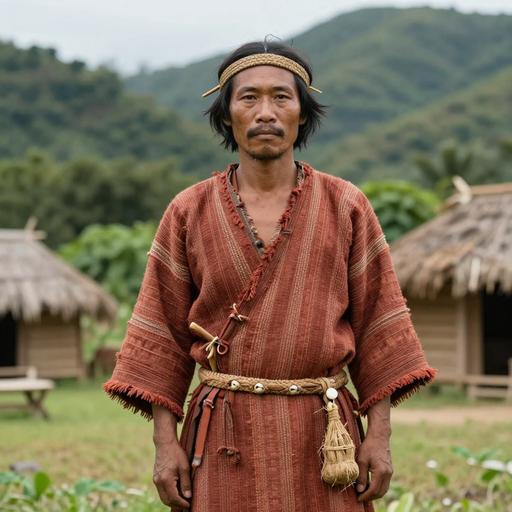
Haplogroup O1B1A1A1A is a downstream lineage within the O1b1 (O1B) branch of haplogroup O, nested under O1B1A1A1. Based on its phylogenetic position and the dated spread of its parent clade, O1B1A1A1A most plausibly formed in the mid‑to‑late Holocene (~3.8 kya) on the southern China–Taiwan coastal margin or nearby coastal Fujian/Taiwan region. Its emergence fits the timeframe and geography of the early phases of the Austronesian expansion, when maritime groups originating from coastal South China and Taiwan dispersed into the Philippines and beyond.
The haplogroup's distribution and diversity pattern are consistent with a founder effect tied to seafaring population movements: relatively high local frequency and diversity in Taiwan and some Philippine groups, with reduced diversity and lower frequencies as the lineage spreads into more distant island groups.
Subclades (if applicable)
As a relatively deep downstream branch of O1B1A1A1, O1B1A1A1A may itself include further downstream SNPs and short tandem repeat (STR)‑defined clusters that reflect localized founder events in particular islands or ethnic groups. However, published resolution for many O1b sublineages in public datasets is still incomplete; targeted SNP discovery and whole Y‑chromosome sequencing in Austronesian‑speaking populations continue to reveal additional substructure. In many population surveys this lineage is recognized by a small set of derived markers (or by clustering of STR haplotypes) that identify island‑specific expansions.
Geographical Distribution
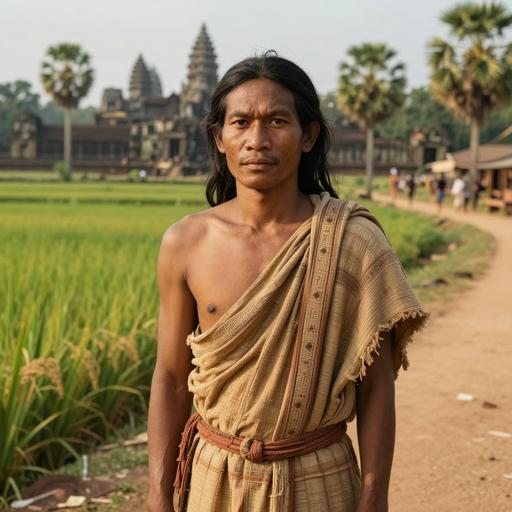
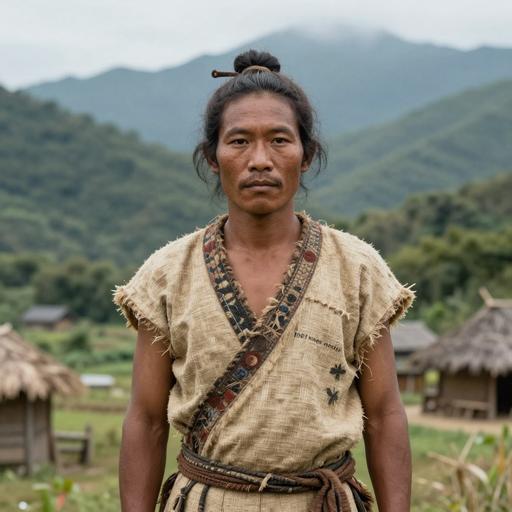
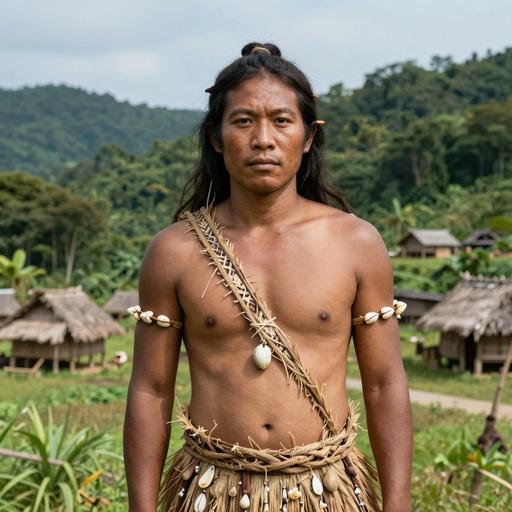
O1B1A1A1A is concentrated along maritime Southeast Asia and adjacent island arcs. Modern sampling and limited ancient DNA evidence place highest frequencies and diversity among indigenous Taiwanese groups and some coastal Fujian communities, consistent with a Taiwan‑centered origin. The haplogroup is commonly detected among Austronesian‑speaking populations of the Philippines and is present in eastern Indonesian islands (Sulawesi, Maluku, and parts of the Lesser Sundas). It also occurs at lower frequencies in coastal mainland Southeast Asian populations and at low to intermittent frequencies in island Melanesia and some southwestern Japanese island and Ryukyuan groups, reflecting staged maritime dispersals and later contact.
Two archaeological/ancient DNA occurrences recorded in available databases indicate this lineage can be recovered from Holocene contexts, supporting its mid‑Holocene antiquity and association with maritime Neolithic/Bronze Age population movements.
Historical and Cultural Significance
The distribution and age of O1B1A1A1A tie it closely to the Austronesian expansion, a major Holocene demographic and cultural phenomenon characterized by rapid maritime colonization of islands from Taiwan through the Philippines into eastern Indonesia, Melanesia, Micronesia, and eventually Polynesia. As such, the haplogroup functions as one of several paternal markers that track male‑mediated components of Austronesian dispersal.
In populations where it is common, O1B1A1A1A likely reflects founder effects associated with early seafaring communities, coastal settlement, and the spread of Austronesian languages and material culture (canoe technology, pottery traditions, and horticultural practices). Its lower frequencies in mainland Southeast Asia and South Asia often reflect later coastal contact, trade, or small‑scale migrations rather than primary inland demographic replacements.
Conclusion
O1B1A1A1A is best understood as a maritime Holocene lineage rooted in the Taiwan/southern China coastal region that expanded with Austronesian‑speaking populations into the Philippines, eastern Indonesia, and nearby island areas. While its full subclade structure and fine‑scale phylogeography require deeper sampling and sequencing, current patterns support an origin around 3.8 kya with subsequent island founder events and limited inland diffusion through coastal contacts. Continued targeted Y‑chromosome sequencing in Austronesian and neighbouring groups will refine its internal branching and demographic history.
Key Points
- Origins and Evolution
- Subclades (if applicable)
- Geographical Distribution
- Historical and Cultural Significance
- Conclusion