The Story
The journey of Y-DNA haplogroup O2A2B1A1A1A4A
Origins and Evolution
Haplogroup O2A2B1A1A1A4A is a terminal subclade nested within the broader O-M95 (also known as O2a2) phylogeny. O-M95 is an older lineage strongly associated with Austroasiatic-speaking populations and long-term presence in Mainland Southeast Asia and southern China. By contrast, O2A2B1A1A1A4A represents a very recent split from its immediate parent (O2A2B1A1A1A4), with coalescence likely in the last few hundred years. Such a recent origin implies that its geographic and demographic patterns have been shaped primarily by historical, local-scale events (founder effects, village-level drift, recent migrations and admixture) rather than by deep Paleolithic or Neolithic expansions.
Subclades
As a terminal branch (the A at the end of the alphanumeric name), O2A2B1A1A1A4A currently represents a narrow lineage with few or no widely recognized downstream named subclades in published trees; discovery of additional downstream SNPs from dense sequencing or larger sample sets could refine its internal structure. Because the clade is recent and limited in distribution, many observed instances may reflect the same recent paternal founders or closely related local lineages.
Geographical Distribution
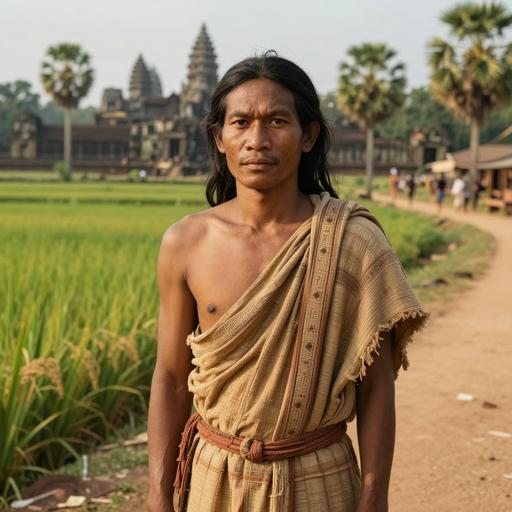
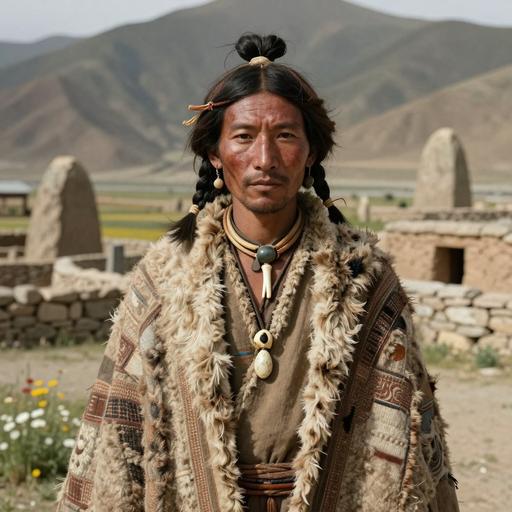
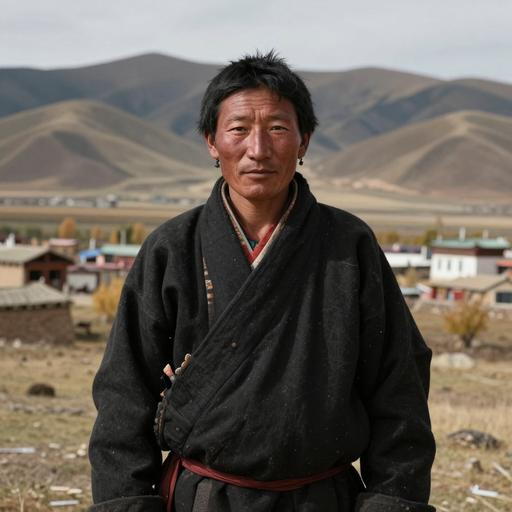
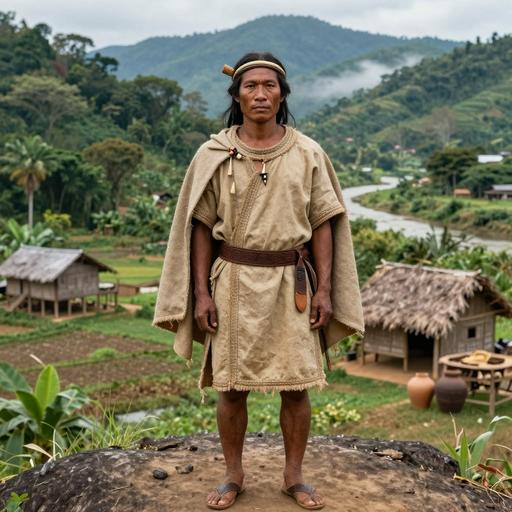
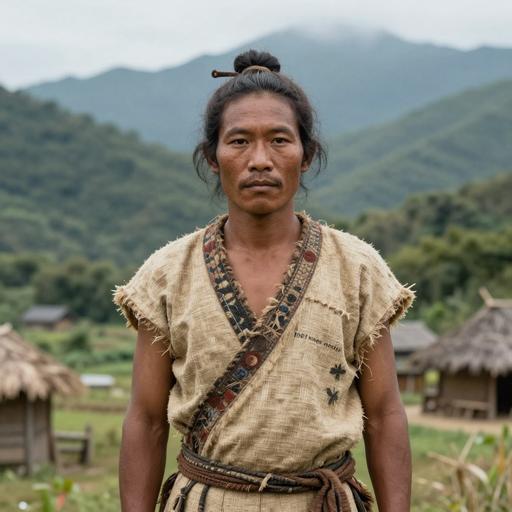
The distribution of O2A2B1A1A1A4A is concentrated in Mainland Southeast Asia with spotty, low-frequency occurrences beyond this core area. It is found at appreciable frequency among some Austroasiatic-speaking groups (for example Khmer and various Vietic subgroups) and among Mon-related communities. Low-frequency occurrences are reported in southern Han Chinese and some southern Chinese ethnic minorities, reflecting the geographic continuity across the China–Southeast Asia frontier. A small number of instances appear in Munda-speaking populations of eastern and central India, consistent with sporadic male-line gene flow or later admixture rather than representing the principal Munda founder lineage. The haplogroup also appears at low, variable frequencies among some Austronesian-speaking populations of Island Southeast Asia and in diasporic/admixed groups across South and Southeast Asia.
Ancient DNA datasets have recorded this subclade in a limited number of archaeological samples (12 entries in the referenced database), consistent with a recent historical presence in some archaeological contexts or DNA preservation biases and sampling density in the region.
Historical and Cultural Significance
Because O2A2B1A1A1A4A is so recently diverged, its significance is largely tied to local historical demography rather than to major prehistoric expansions. Elevated frequencies in certain Austroasiatic-speaking communities point to recent founder events, patrilineal clan growth, or demographic processes tied to settlement, trade, and social structure over the last several centuries. Its sporadic presence in Munda groups in India may reflect later, male-mediated gene flow from Southeast Asia into eastern India, or more recent historical contact and admixture.
Interactions with neighboring populations—Tai-Kadai speakers (Thai, Lao), Han Chinese migrants, and Austronesian communities—have produced low levels of admixture, allowing this lineage to appear at trace frequencies beyond its core area. In historical terms, therefore, O2A2B1A1A1A4A functions as a marker of recent regional population dynamics (local expansions, interethnic contact, and drift) rather than as a signal of an ancient migration event.
Conclusion
O2A2B1A1A1A4A is a geographically focused, very recent Y-chromosome subclade of the O-M95 lineage, most strongly associated with Austroasiatic-speaking populations in Mainland Southeast Asia and bordering areas of southern China. Its recent origin implies that its present-day pattern reflects small-scale demographic events (founder effects, clan expansions, and recent admixture) over the last few centuries. Additional high-resolution sequencing and broader sampling—especially in understudied Southeast Asian populations—could reveal more internal structure and clarify the recent historical movements that produced its current distribution.
Key Points
- Origins and Evolution
- Subclades
- Geographical Distribution
- Historical and Cultural Significance
- Conclusion