The Story
The journey of Y-DNA haplogroup O2A2B1A1A1A4A2
Origins and Evolution
Haplogroup O2A2B1A1A1A4A2 is a terminal, very recent branch within the O-M95 (often annotated in older literature as O2a2) clade, a major paternal lineage strongly associated with Austroasiatic-speaking populations of Mainland Southeast Asia and parts of South Asia. Given its phylogenetic position as a downstream subclade of O2A2B1A1A1A4A, O2A2B1A1A1A4A2 most plausibly formed within the last few centuries (on the order of 0.1–0.3 kya). Its recent origin is consistent with a short branch length on Y-chromosome phylogenies, local geographic concentration, and patterns expected from recent founder effects or patrilineal social expansions.
Subclades (if applicable)
As currently defined, O2A2B1A1A1A4A2 appears to be a terminal or near-terminal subclade with limited documented downstream diversity. Because it is recent and relatively rare in published datasets, further targeted sampling and high-resolution sequencing in Austroasiatic and neighboring populations may identify additional downstream branches. For now, it should be treated as a recent local lineage nested within the broader O-M95/O2a2 diversity.
Geographical Distribution
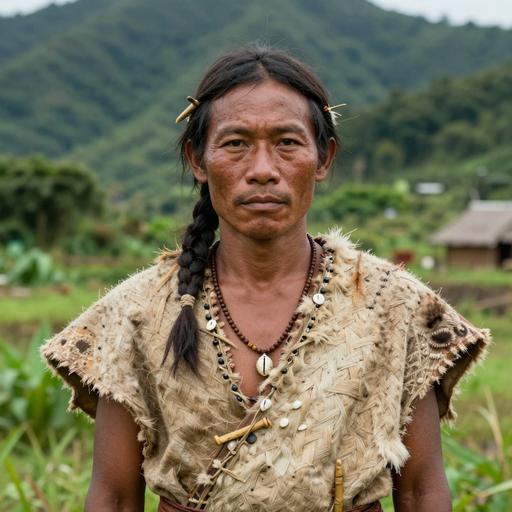
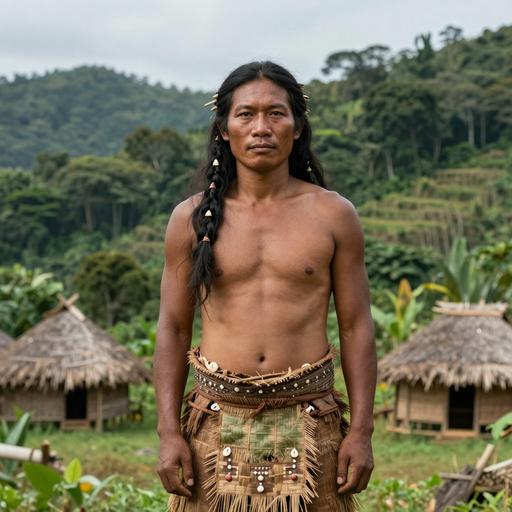
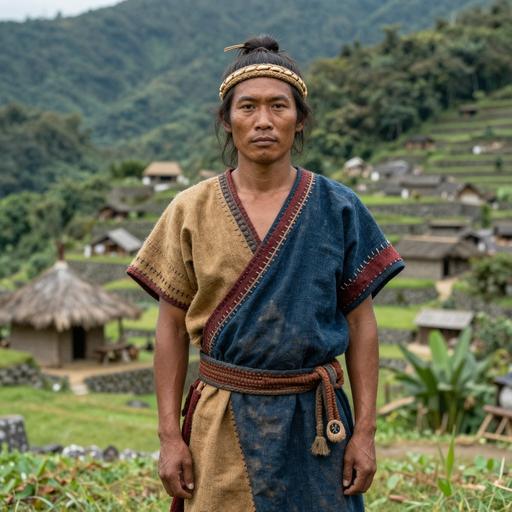
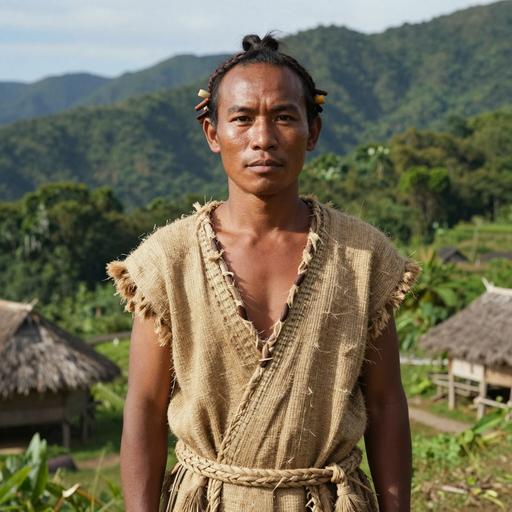
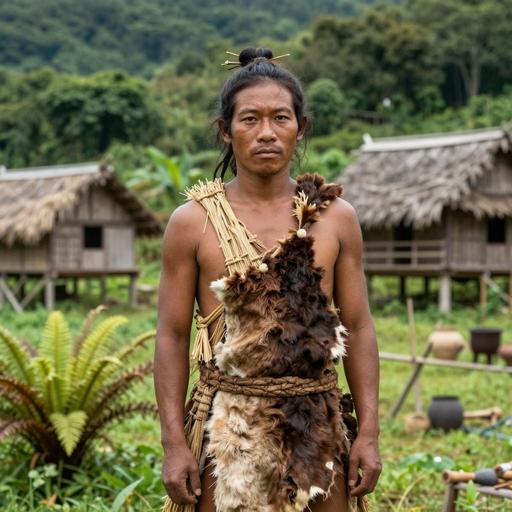
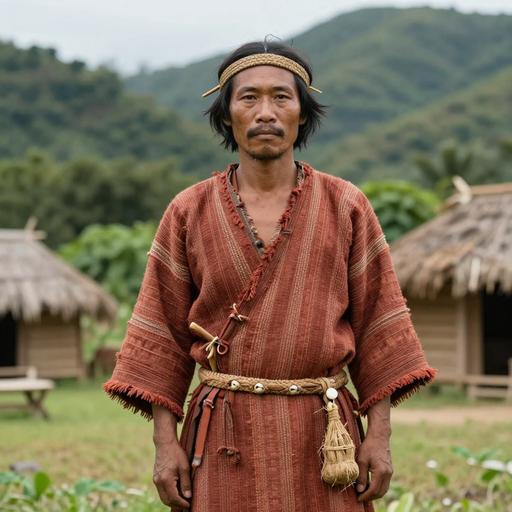
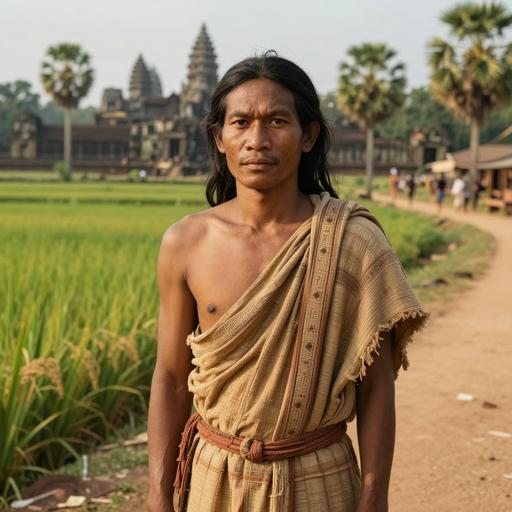
The geographic footprint of O2A2B1A1A1A4A2 is concentrated in Mainland Southeast Asia with lower-frequency occurrences in adjacent regions. It is most often observed among Austroasiatic-speaking groups (for example Khmer and certain Vietic groups) and in related Mainland Southeast Asian ethnicities such as the Mon. Sporadic low-frequency occurrences are reported among Munda-speaking groups in eastern and central India, in some Tai-adjacent populations (Thai, Lao) consistent with historical admixture, and at low-to-moderate localized frequencies in southern Han Chinese and ethnic minorities of southern China. Occurrences in Austronesian-speaking populations of Island Southeast Asia and Taiwan are typically low and variable, likely reflecting recent admixture or historical contact. Two ancient DNA samples in available databases have carried closely related markers, indicating occasional presence in archaeological contexts, but those finds do not indicate a deep ancient geographic range for this specific terminal branch.
Historical and Cultural Significance
Although O-M95/O2a2 lineages more broadly are tied to the prehistoric spread of Austroasiatic languages and Neolithic agricultural expansions in Mainland Southeast Asia, the specific lineage O2A2B1A1A1A4A2 is too recent to have been a direct driver of those early expansions. Instead, its significance lies in illuminating very recent social and demographic events: localized founder effects, patrilineal clan expansions, and historical admixture between Austroasiatic groups and neighboring populations over the last several hundred years. Its presence at low levels in Munda populations of India and in some Austronesian groups suggests episodes of migration or gene flow that can be unraveled with finer-scale sampling and higher-resolution Y-SNP typing.
Conclusion
O2A2B1A1A1A4A2 is a newly-formed, geographically constrained Y-chromosome lineage nested within the Austroasiatic-associated O-M95 clade. It is most informative for studying recent, localized paternal histories—founder events, clan-level expansions, and recent admixture—within Mainland Southeast Asia and adjacent regions. Increased regional sampling and full Y-chromosome sequencing may reveal further substructure or refine the timing and routes of its spread.
Key Points
- Origins and Evolution
- Subclades (if applicable)
- Geographical Distribution
- Historical and Cultural Significance
- Conclusion