The Story
The journey of mtDNA haplogroup D4B1A2
Origins and Evolution
mtDNA haplogroup D4B1A2 is a subclade of D4B1A and therefore sits within the broader East/Northeast Asian D4 branch. Based on the parent clade age (D4B1A ~9 kya) and the observed diversity of D4B1A2 in modern and ancient samples, D4B1A2 most likely arose in the early to middle Holocene (roughly 7 kya) along the North Pacific margin. This geography and time depth fit a pattern in which Late Pleistocene and early Holocene coastal and riverine hunter-gatherer groups in northeastern Asia retained and diversified D4-derived maternal lineages as environments changed after the Last Glacial Maximum.
Because D4 is an older East Asian lineage, the formation of D4B1A2 represents a localized diversification event within a long-established regional mtDNA framework rather than a deep pan-Eurasian expansion.
Subclades (if applicable)
At present D4B1A2 shows limited named downstream diversification in published datasets and remains a relatively specific terminal branch in many commercial and academic haplotyping reports. A small number of internal branches (e.g., D4B1A2a/2b reported in some phylogenies) have been proposed but are not yet universally resolved; continued full mitogenome sequencing, especially from under-sampled northern coastal contexts, will clarify fine-scale substructure. The relative scarcity of deeply divergent internal subclades suggests a regional lineage with moderate expansion rather than a wide, star-like radiation.
Geographical Distribution
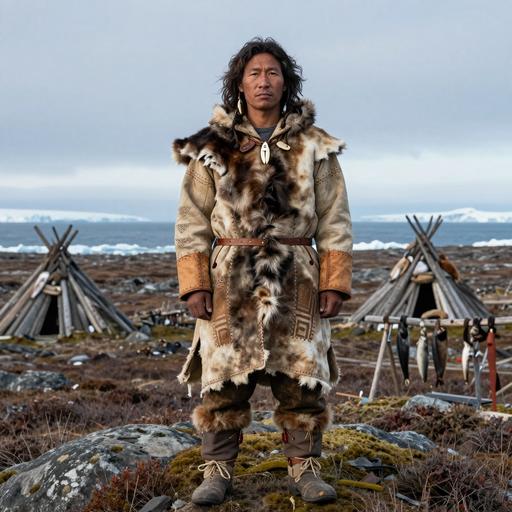
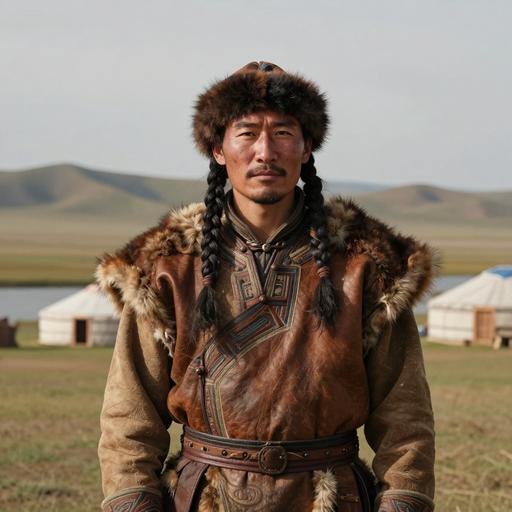
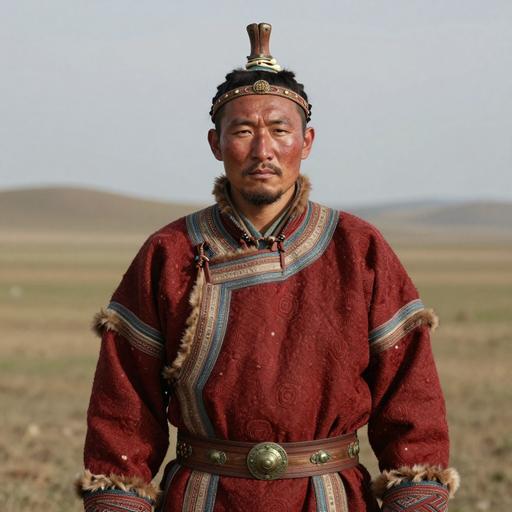
D4B1A2 is concentrated along the North Pacific margin. Modern occurrences are highest in the Japanese archipelago (including Ainu and Jomon-derived groups), Korea, and northeastern China, with notable representation among several indigenous Siberian peoples (Russian Far East groups such as Yakut-related and other Tungusic-speaking populations). Low-frequency occurrences appear farther afield in parts of Mongolia, among some Turkic- and Mongolic-speaking groups, and occasionally in coastal Southeast Asia where historical gene flow has transported northeastern lineages southward.
Archaeological (ancient DNA) evidence shows D4B1A2 in a small number of Holocene samples (7 in the reporting database referenced), consistent with continuity from early Holocene coastal hunter-gatherers into later regional populations.
Historical and Cultural Significance
D4B1A2 is informative for regional population history because it tracks maternal continuity in coastal and riverine settings of northeastern Asia. It is often associated with:
- Jomon-related ancestry and Ainu maternal lineages in the Japanese archipelago, where continuity from early Holocene forager populations is well documented.
- Okhotsk and other northern coastal cultural horizons in the Russian Far East and northern Japan, reflecting maritime-adapted populations that moved along the Pacific rim.
- Persistence into historical populations of Korea, northern China and some Siberian groups, making D4B1A2 useful for reconstructing gene flow and contact across the East Asian littoral.
Because D4B1A2 is regionally concentrated rather than widespread, it is most valuable for fine-scale reconstruction of Northeast Asian maternal population structure, the persistence of forager lineages in the face of later agricultural expansions (e.g., Yayoi-associated movements into parts of Japan), and north–south contacts along coastal routes.
Conclusion
D4B1A2 is a geographically focused mtDNA lineage that formed in the early–mid Holocene along the North Pacific margin and today marks maternal continuity in northeastern Asia, especially in Japan, Korea, northern China and parts of Siberia. While not a broadly distributed pan-Eurasian clade, its presence in both modern and ancient samples makes it a useful marker for tracing coastal hunter-gatherer survival and subsequent regional interactions; additional mitogenome sequencing from archaeological contexts will refine its internal structure and historical timing.
Key Points
- Origins and Evolution
- Subclades (if applicable)
- Geographical Distribution
- Historical and Cultural Significance
- Conclusion