The Story
The journey of mtDNA haplogroup D4B2B4
Origins and Evolution
mtDNA haplogroup D4B2B4 sits as a derived subclade within D4B2B, itself a branch of the broadly distributed East Eurasian haplogroup D4. Based on the phylogenetic position of D4B2B and the geographic clustering of descendant lineages, D4B2B4 most likely arose on the North Pacific margin during the early to mid-Holocene (a few thousand years after the origin of D4B2B around ~8 kya). The lineage is defined by downstream coding- and control-region mutations from its parent clade and reflects a localized diversification event tied to coastal and riverine populations in northeastern Asia.
Subclades
As a relatively deep but regionally restricted subclade, D4B2B4 currently has few well-differentiated downstream sublineages reported in the literature and ancient-DNA databases. Where present, substructure tends to be shallow and geographically localized, consistent with demographic continuity in coastal hunter-gatherer groups and limited later dispersal. Ongoing sequencing of modern and ancient mitogenomes may reveal additional internal branches of D4B2B4, especially in under-sampled parts of the Russian Far East and the Japanese archipelago.
Geographical Distribution
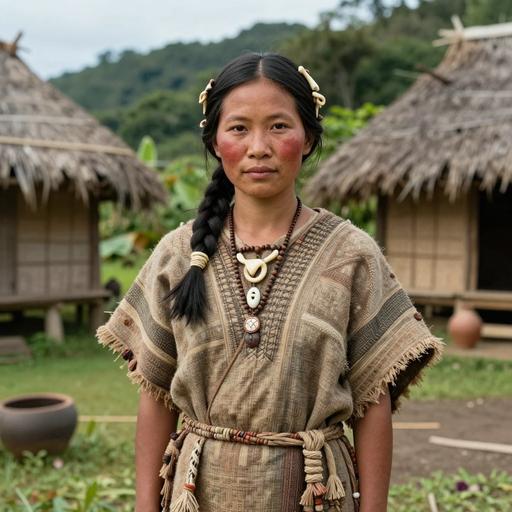
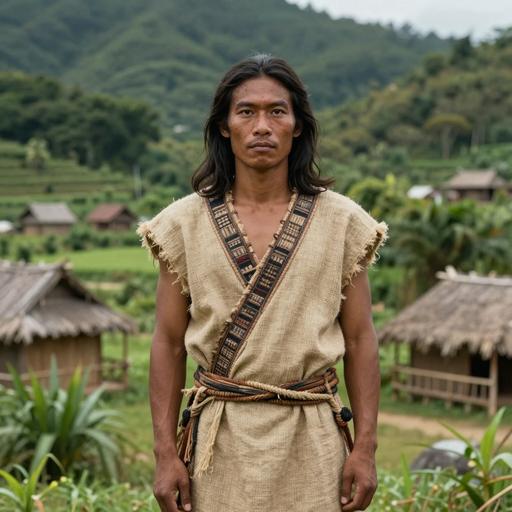
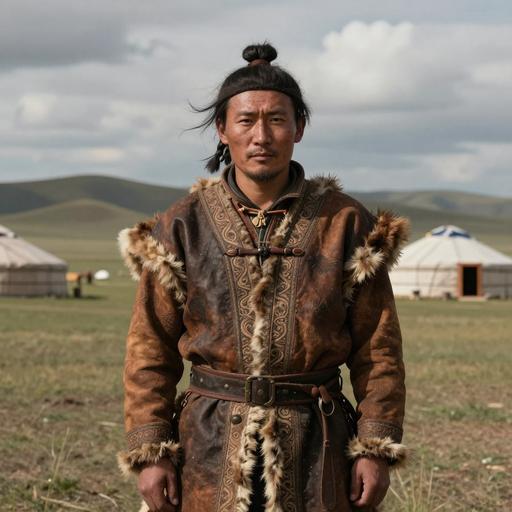
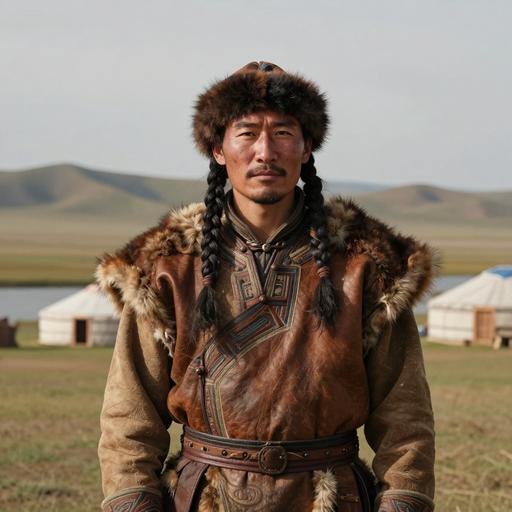
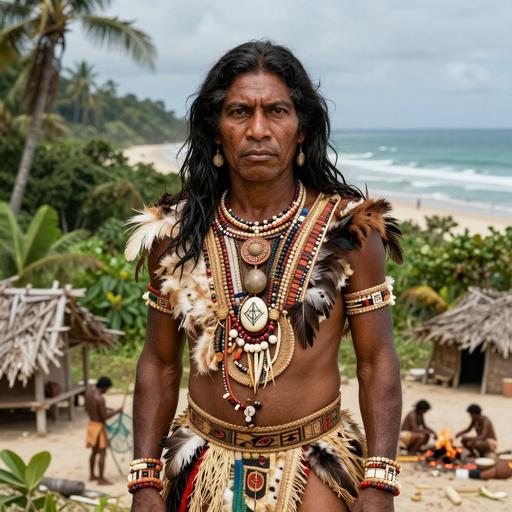
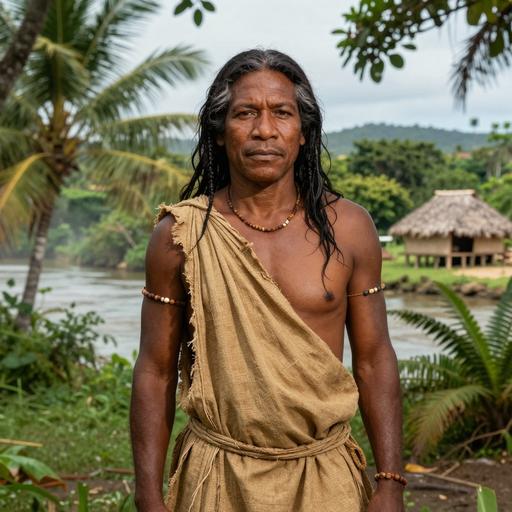
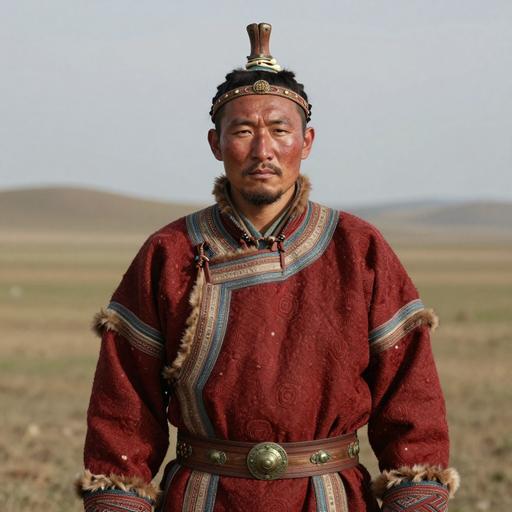
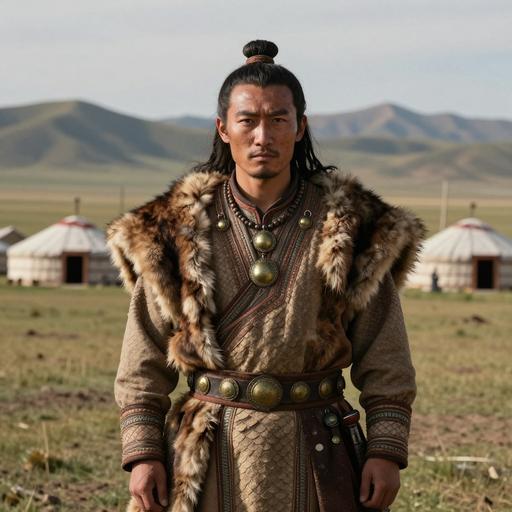
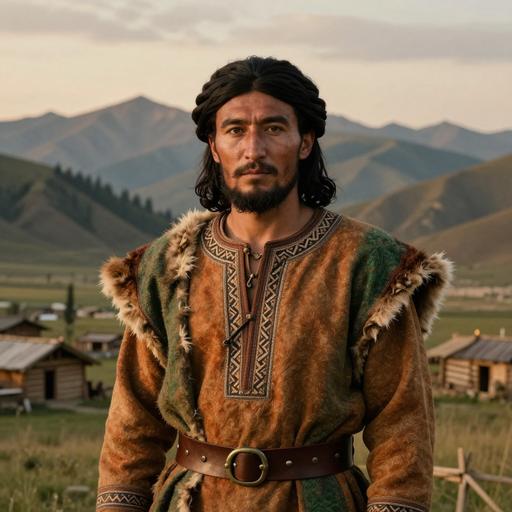
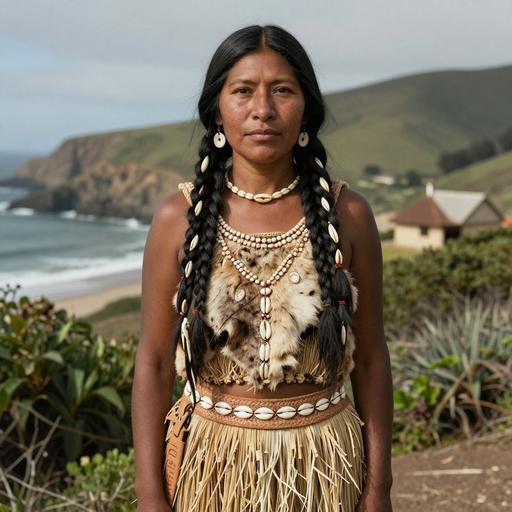
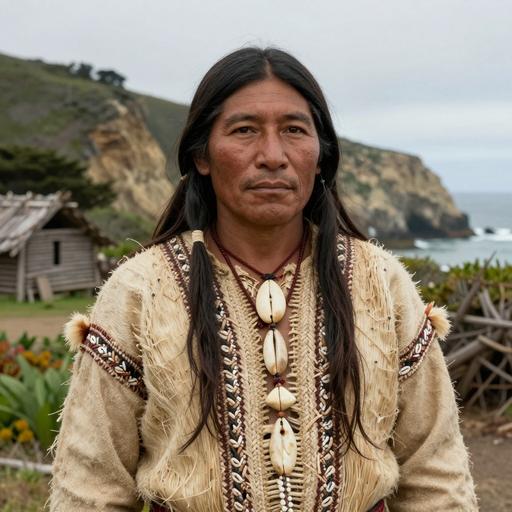
D4B2B4 shows a strong concentration in Northeast Asia and the North Pacific margin with detectable frequencies in indigenous populations of the Russian Far East, northern Japan, Korea, and parts of northeastern China. It is observed in Ainu- and Jomon-associated ancient samples and in modern Siberian groups (e.g., Yakut, Evenk) and northern East Asian populations (Japanese, Korean, northern Han). At lower, scattered frequencies it may also appear among some Mongolic or Turkic groups of Central and northern Inner Asia and occasionally in coastal Southeast Asian island populations—likely reflecting historic northeast Asian gene flow rather than primary origin there.
Historical and Cultural Significance
D4B2B4 is most informative for studies of Holocene coastal hunter-gatherer continuity and the genetic relationships between Jomon/Ainu-related peoples and modern Northeast Asian groups. Its presence in ancient Jomon-associated contexts supports maternal continuity along the North Pacific rim. The haplogroup is therefore valuable for tracing local survival of lineages through the Neolithic and Bronze Age periods in northeastern Asia, and for identifying later admixture events between coastal foragers and expanding agricultural or pastoral groups that reached the region.
Ancient DNA and Continuity
Although D4B2B4 is not a very high-frequency haplogroup in large modern surveys, its detection in ancient remains (including Jomon-related samples) underscores its antiquity in the region. The lineage’s pattern—regional concentration with low-level diffusion—fits models of long-term coastal population stability combined with episodic gene flow from neighboring inland groups.
Conclusion
D4B2B4 is a regionally diagnostic maternal lineage for the North Pacific margin and northeastern Asia, reflecting mid-Holocene local diversification tied to coastal hunter-gatherer populations and showing continuity into some modern Northeast Asian and Siberian groups. Continued mitogenome sequencing of modern and ancient samples will refine its internal structure and help clarify the timing and routes of its limited dispersals.
Key Points
- Origins and Evolution
- Subclades
- Geographical Distribution
- Historical and Cultural Significance
- Ancient DNA and Continuity