The Story
The journey of mtDNA haplogroup D4I3
Origins and Evolution
mtDNA haplogroup D4I3 is a downstream lineage of D4I, itself a branch of the widespread East Eurasian haplogroup D4. Given the parent clade's Late Pleistocene–Early Holocene origin in Northeast/East Asia (circa 12 kya), D4I3 most likely arose later in the Holocene as a regional derivative associated with local hunter-gatherer groups. Phylogenetically, D4I3 carries additional control-region and coding-region mutations that define it as a distinct subclade within the D4I cluster; its time to most recent common ancestor (TMRCA) is therefore expected to be substantially younger than the D4 root and somewhat younger than basal D4I, consistent with an estimated origin on the order of a few thousand years ago.
Subclades
As a named third-level branch (D4 → D4I → D4I3), D4I3 may contain further minor sub-branches in high-resolution mitochondrial trees based on full mitogenomes. Published population surveys and mitogenome studies often reveal D4I-derived diversity broken into several localized sublineages; D4I3 is best understood as one of these geographically restricted offshoots. Where whole-mitogenome data exist, researchers can resolve internal structure within D4I3, but at the control-region typing level it appears as a low-frequency, regionally concentrated clade.
Geographical Distribution
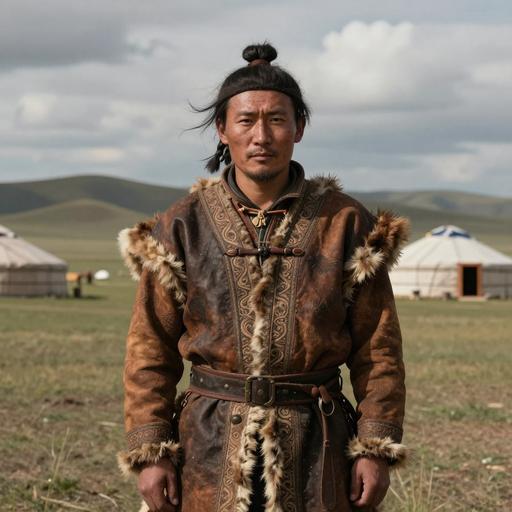
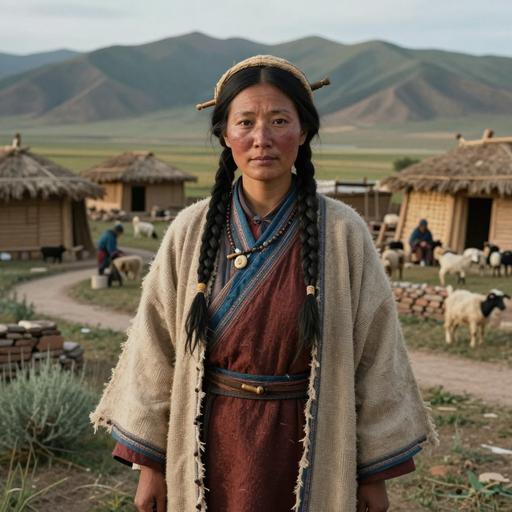
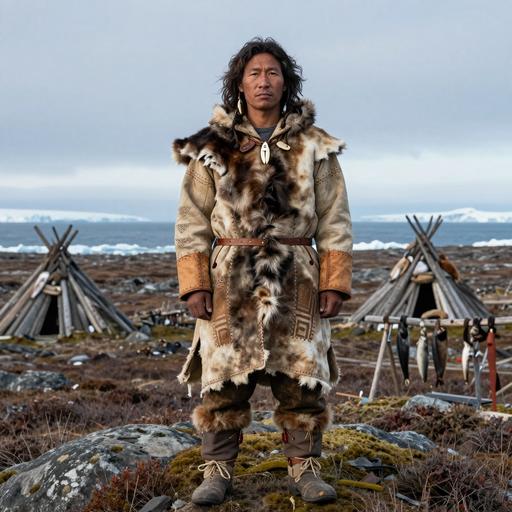
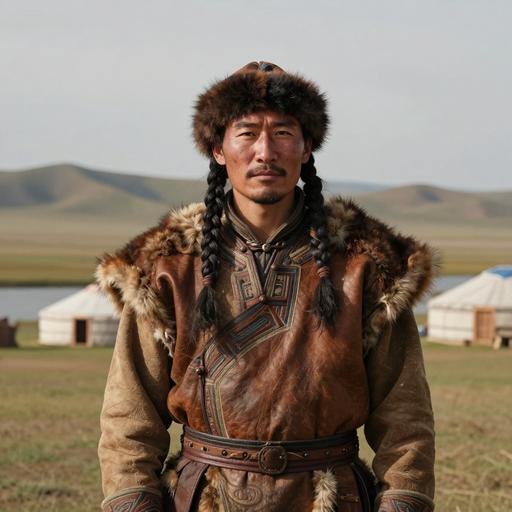
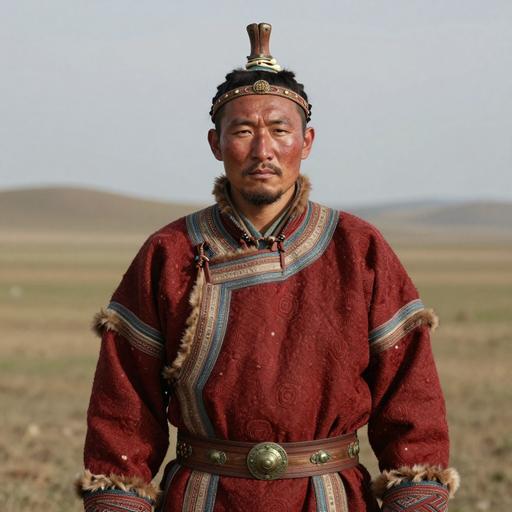
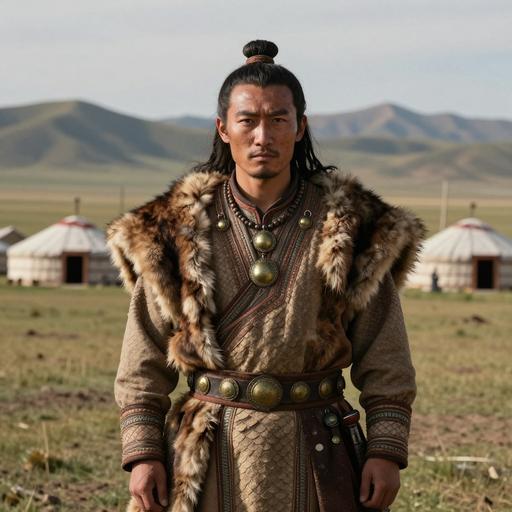
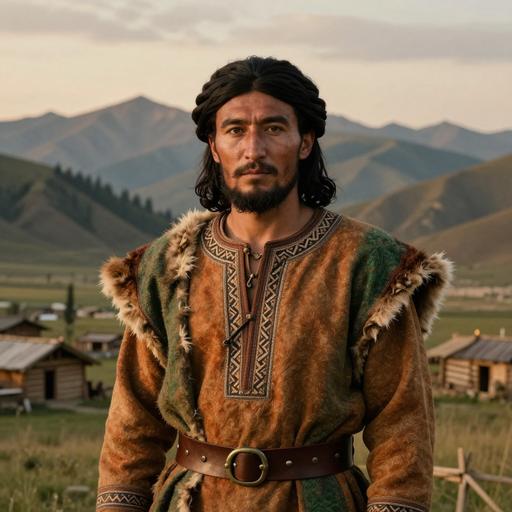
D4I3 shows a concentrated distribution in Northeast Asia and adjacent Siberian regions, with lower-frequency occurrences in broader East Asia and in Central Asian populations that have experienced east–west contact. It is most often detected in populations with documented continuity from ancient Northeast Asian hunter-gatherer groups (for example, some Jomon and Amur region ancient samples and modern indigenous Siberian groups). Modern populations showing D4I3 are therefore typically: indigenous Siberian groups, some Mongolic and Turkic-speaking groups in Mongolia and adjacent regions, and occasional East Asian populations (coastal Japanese, Koreans, Han Chinese) reflecting localized gene flow or historical admixture. The clade has limited representation in published ancient DNA datasets, consistent with a relatively localized Holocene history and low overall frequency.
Historical and Cultural Significance
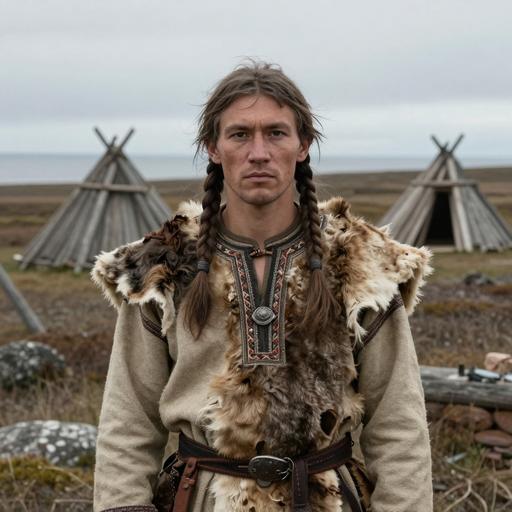
Because D4I3 is concentrated among populations with hunter-gatherer ancestry in Northeast Asia and Siberia, it likely reflects regional continuity of maternal lineages through the Holocene. This pattern is consistent with scenarios where small, geographically structured groups retained autochthonous maternal lineages while interacting with incoming Neolithic or Bronze Age populations. Associations with archaeological contexts are therefore strongest in coastal and riverine Holocene hunter-gatherer assemblages (including Jomon-related and Amur-area archaeological samples) and in later populations of the Sakhalin–Okhotsk cultural sphere and neighboring Siberian groups.
Conclusion
D4I3 is a localized, lower-frequency mitochondrial lineage nested within the D4I branch of East Eurasian haplogroup D4. It likely arose in Northeast/East Asia during the Holocene and today marks maternal ancestry tied to Northeast Asian and Siberian hunter-gatherer-derived populations. Its value to population history is greatest in high-resolution mitogenome studies and ancient DNA research, where it can help trace fine-scale maternal continuity and regional demographic events in northeastern Eurasia.
Key Points
- Origins and Evolution
- Subclades
- Geographical Distribution
- Historical and Cultural Significance
- Conclusion