Menu
mtDNA Haplogroup • Maternal Lineage

D4I

mtDNA Haplogroup D4I

~12,000 years ago
Northeast / East Asia
2 subclades
15 ancient samples
Scroll to explore
Chapter I

The Story

The journey of mtDNA haplogroup D4I

Origins and Evolution

mtDNA haplogroup D4I is a subclade of haplogroup D4, itself a major East Eurasian maternal lineage that diversified during the Late Pleistocene. Based on the phylogenetic position of D4I within the D4 tree and comparative coalescent estimates for other D4 subclades, D4I most likely formed during the terminal Pleistocene to early Holocene (roughly ~12 kya, with uncertainty of several thousand years). Its emergence is plausibly linked to post-glacial population structure and localized expansions of northeastern Asian hunter-gatherer groups.

Subclades (if applicable)

D4I is defined as a distinct branch under D4; targeted sequencing and population surveys have reported further derived lineages within D4I in some datasets (often annotated as D4I1, D4I2, etc.) though these sublineages tend to be geographically restricted and sampled at low frequencies. As with many mtDNA subclades, resolution improves with complete mitogenomes—future whole-mitochondrial sequencing will clarify internal branching and the relative ages of D4I sublineages.

Geographical Distribution

D4I shows a concentration in Northeast and East Asia, with measurable but lower frequencies in adjacent parts of Siberia and Central Asia. It is most often observed in populations with deep regional continuity (for example, some northeastern East Asian groups and indigenous Siberian communities). Occurrences in Southeast Asia or Oceania are rare and generally reflect later gene flow or limited sampling, and there is little or no evidence that D4I contributed substantially to Native American founding lineages (those are primarily other D4-derived branches such as D4h3a).

Historical and Cultural Significance

Because D4I is nested within a broader East Eurasian mtDNA radiation, its main anthropological relevance is as a marker of maternal ancestry tied to post-glacial recolonization and long-term occupation of Northeast Asia. In ancient DNA studies, D4 and some of its subclades are observed in Jomon and other Holocene Northeast Asian contexts; D4I itself has been reported in regional archaeological samples and modern populations that trace ancestry to local hunter-gatherer and early Holocene groups. Thus D4I can help identify maternal continuity versus later admixture from neighboring regions and track micro-scale demographic events in northeastern Asia.

Conclusion

D4I is best interpreted as a regionally informative East Asian maternal lineage that arose after the initial diversification of D4 and persisted among northeastern Asian populations through the Holocene. Its relatively low overall frequency but clear geographic clustering make it useful for fine-scale studies of population structure, migration, and continuity in Northeast Asia and adjoining Siberian/Central Asian areas. Continued mitogenome sequencing and denser ancient sampling will refine its age and substructure further.

Key Points

  • Origins and Evolution
  • Subclades (if applicable)
  • Geographical Distribution
  • Historical and Cultural Significance
  • Conclusion
Chapter II

Tree & Relationships

Phylogenetic context and subclades

Evolution Path

This haplogroup's evolutionary journey from its earliest ancestor to the present.

Steps Haplogroup Age Estimate Archaeology Era Time Passed Immediate Descendants Tested Modern Descendants Ancient Connections
1 D4I Current ~12,000 years ago 🌾 Neolithic 12,000 years 2 3 15
2 D4 ~25,000 years ago 🦴 Paleolithic 25,000 years 12 276 19
3 D ~45,000 years ago 🦴 Paleolithic 45,000 years 7 398 137
4 M ~60,000 years ago 🦴 Paleolithic 60,000 years 11 1,200 41
5 L3 ~70,000 years ago 🦴 Paleolithic 70,000 years 11 17,621 6
6 L ~160,000 years ago 🦴 Paleolithic 160,000 years 7 18,987 5
Chapter III

Where in the World

Geographic distribution and modern presence

Place of Origin

Northeast / East Asia

Modern Distribution

The populations where MTDNA haplogroup D4I is found include:

  1. East Asian populations (Han Chinese, Japanese, Korean)
  2. Indigenous Siberian groups (Yakut, Evenk, Yukaghir and related peoples)
  3. Mongolic and some Turkic-speaking populations of Mongolia and adjacent regions
  4. Jomon-era and other ancient Northeast Asian archaeological samples
  5. Central Asian groups at low frequency (reflecting east–west contact zones)
  6. Occasional low-frequency occurrences in Southeast Asian groups or populations with recent Northeast Asian admixture
CHAPTER IV

When in Time

Your haplogroup in the context of human history

~12k years ago

Haplogroup D4I

Your mtDNA haplogroup emerged in Northeast / East Asia

Northeast / East Asia
~10k years ago

Neolithic Revolution

Agriculture begins, settled communities form

~5k years ago

Bronze Age

Metalworking, writing, and early civilizations

~3k years ago

Iron Age

Iron tools, expanded trade networks

~2k years ago

Classical Antiquity

Greek and Roman civilizations flourish

Present

Present Day

Modern era

Your Haplogroup
Historical Era
Chapter IV-B

Linked Cultures

Ancient cultures associated with mtDNA haplogroup D4I

Cultural Heritage

These ancient cultures have been linked to haplogroup D4I based on matching ancient DNA samples from archaeological excavations. The presence of this haplogroup in these cultures provides insights into the migrations and population movements of populations carrying this haplogroup.

Devil's Cave Culture Early Medieval Mongolian Kyrgyz Iron Age Munkhkhairkhan Culture Samdzong Culture Tasmola Culture Ulaanzukh Culture Wutulan Culture Zhagunluke Culture Zongri Culture
Culture assignments are based on archaeological context of ancient DNA samples and may represent regional associations during specific time periods.
Chapter V

Sample Catalog

Top 15 ancient DNA samples directly related to haplogroup D4I or parent clades

15 / 15 samples
Portrait Sample Country Era Date Culture mtDNA Match
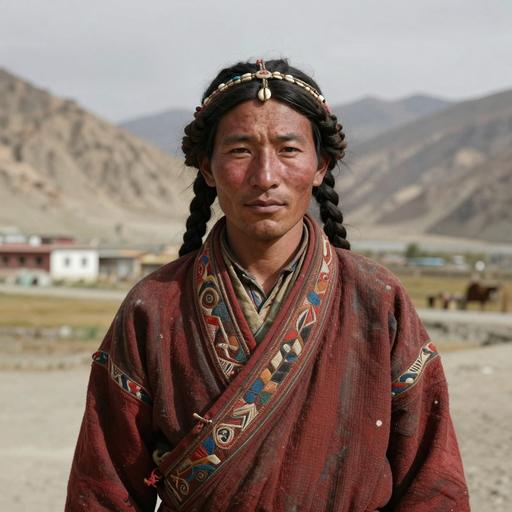
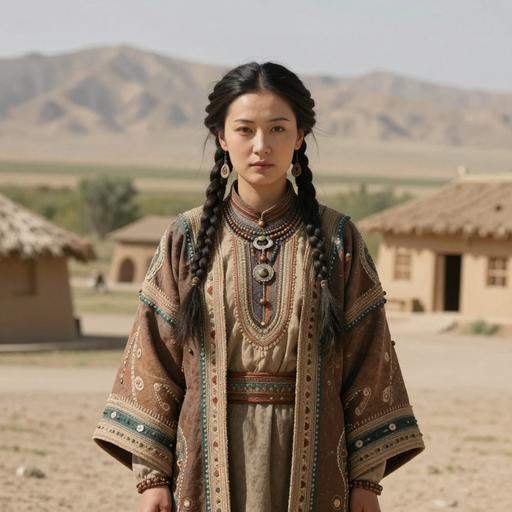
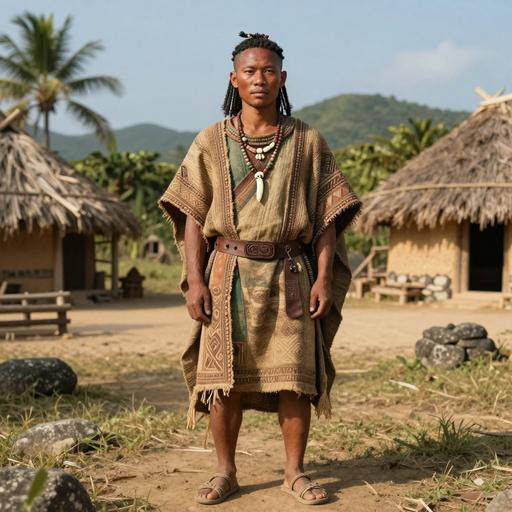
Portrait of ancient individual S153_S183 from Nepal, dated 350 CE - 1000 CE
S153_S183
Nepal Mustang Samdzong Middle Kingdoms 350 CE - 1000 CE Samdzong Culture D4i Direct
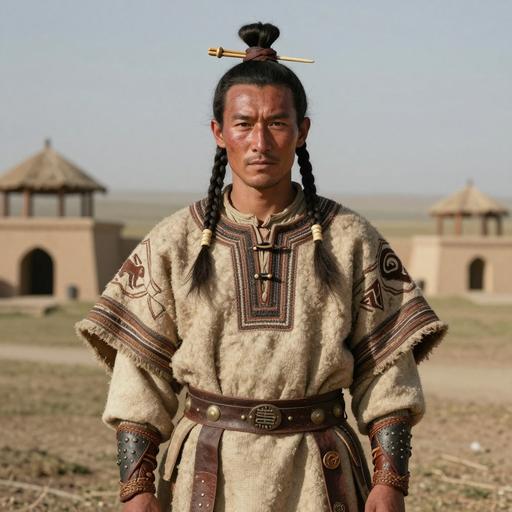
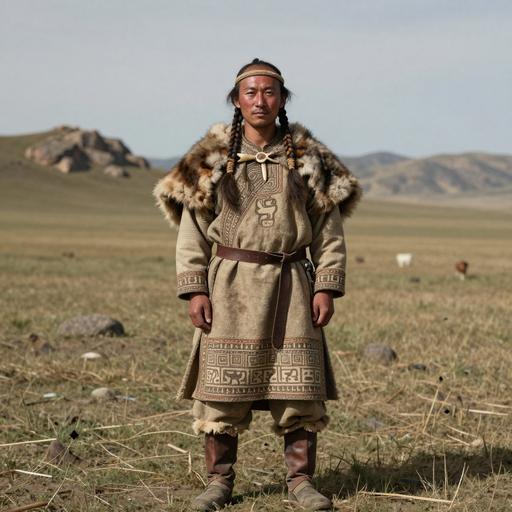
Portrait of ancient individual C1633 from China, dated 368 BCE - 173 BCE
C1633
China Iron Age Wutulan, Xinjiang, China 368 BCE - 173 BCE Wutulan Culture D4i Direct
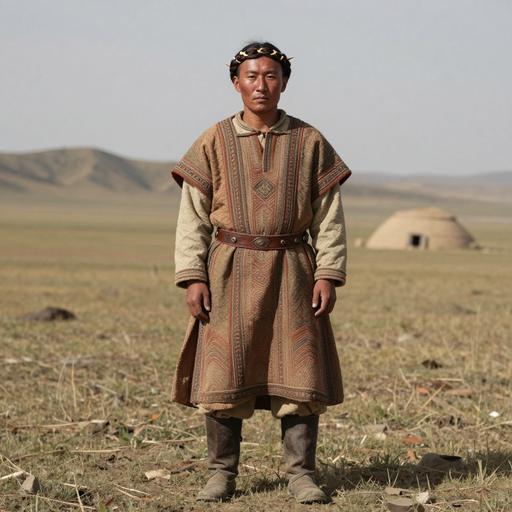
Portrait of ancient individual C1635 from China, dated 403 BCE - 57 BCE
C1635
China Iron Age Wutulan, Xinjiang, China 403 BCE - 57 BCE Wutulan Culture D4i Direct
Portrait of ancient individual C1638 from China, dated 403 BCE - 57 BCE
C1638
China Iron Age Wutulan, Xinjiang, China 403 BCE - 57 BCE Wutulan Culture D4i Direct
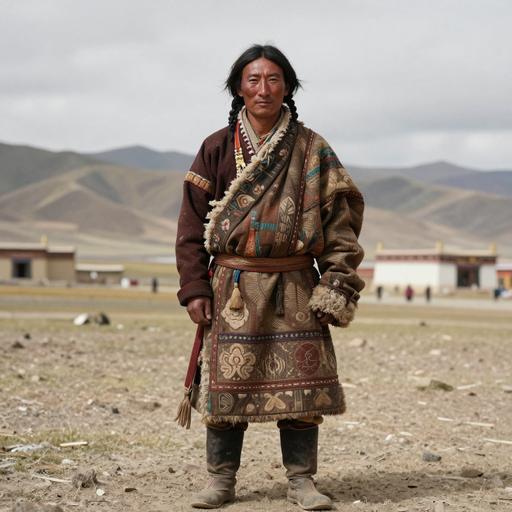
Portrait of ancient individual C5184 from China, dated 431 CE - 587 CE
C5184
China Tibetan Plateau (Zhangcun) 431 CE - 587 CE Zhangcun Culture D4i3 Direct
Portrait of ancient individual ALN007 from Kyrgyzstan, dated 448 BCE - 372 BCE
ALN007
Kyrgyzstan Iron Age Kyrgyzstan 448 BCE - 372 BCE Kyrgyz Iron Age D4i Direct
Portrait of ancient individual C3665 from China, dated 541 BCE - 61 BCE
C3665
China Iron Age Zhagunluke, Xinjiang, China 541 BCE - 61 BCE Zhagunluke Culture D4i Direct
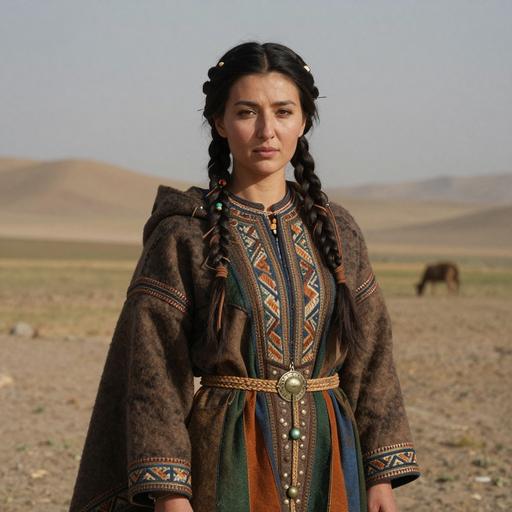
Portrait of ancient individual A1806 from Hungary, dated 630 CE - 670 CE
A1806
Hungary Early Avar Period in Transtisza, Hungary 630 CE - 670 CE Avar Culture D4i2 Direct
Portrait of ancient individual OLN008 from Mongolia, dated 700 CE - 1050 CE
OLN008
Mongolia Early Medieval Mongolia 700 CE - 1050 CE Early Medieval Mongolian D4i Direct
Portrait of ancient individual KYZ001 from Kazakhstan, dated 747 BCE - 402 BCE
KYZ001
Kazakhstan Early Iron Age Tasmola Culture, Kazakhstan 747 BCE - 402 BCE Tasmola Culture D4i Direct
Chapter VI

Carrier Distribution Map

Geographic distribution of 15 ancient DNA samples carrying haplogroup D4I

Time Period Filter
All Time Periods
Showing all samples
Each marker represents an ancient individual
Chapter VII

Temporal Distribution

Distribution of carriers across archaeological periods

Chapter VIII

Geographic Distribution

Distribution of carriers by country of origin

Chapter IX

Country × Era Distribution

Cross-tabulation of carrier countries and archaeological periods

Data

Data & Provenance

Source information and data quality

Last Updated 2026-02-16
Confidence Score 50/100
Coverage Low
Data Source

We use the latest phylotree for MTDNA haplogroup classification and data.