The Story
The journey of mtDNA haplogroup D4J14
Origins and Evolution
D4J14 is a downstream branch of the D4J1 lineage, itself part of the larger East/Northeast Asian macro-haplogroup D4. As a subclade of D4J1, D4J14 represents a relatively recent Holocene diversification within populations of Northeast/East Asia. It is defined by private polymorphisms that occur downstream of the diagnostic mutations for D4J1, indicating a local split from the parent lineage rather than a deep, wide-ranging expansion.
Phylogenetically, D4J14 should be understood as a fine-scale maternal lineage that reflects microevolutionary processes (founder effects, genetic drift, and localized demographic events) operating after the broader D4J1 diversification ~9 kya. Its estimated time to most recent common ancestor (TMRCA) at roughly 3.5 kya places its emergence in the later Neolithic to Bronze Age interval in Northeast/East Asia.
Subclades
At present, D4J14 is treated as a terminal or near-terminal branch within published phylogenies and public aDNA datasets; there are few well-documented downstream subclades attributed specifically to D4J14 in the literature. Continued high-coverage mitogenome sequencing from modern and archaeological samples may resolve internal substructure in future studies, but currently D4J14 is best regarded as a narrowly distributed lineage within D4J1.
Geographical Distribution
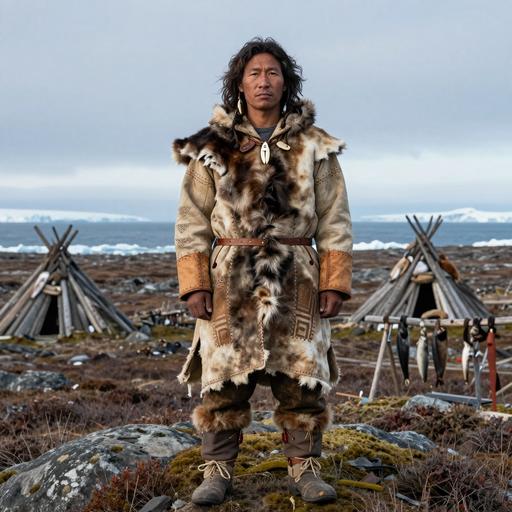
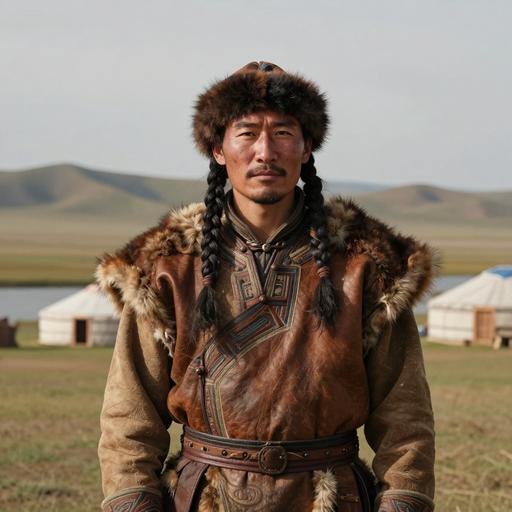
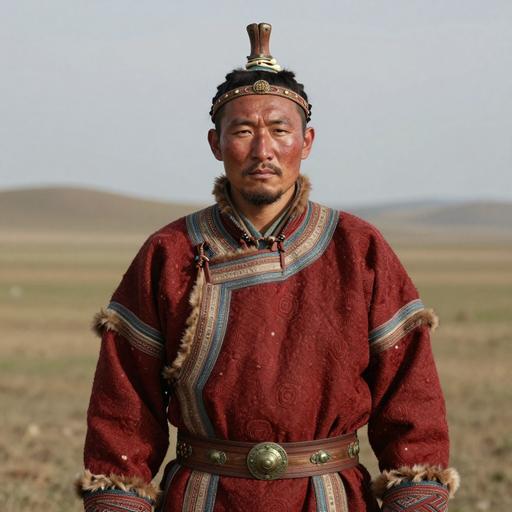
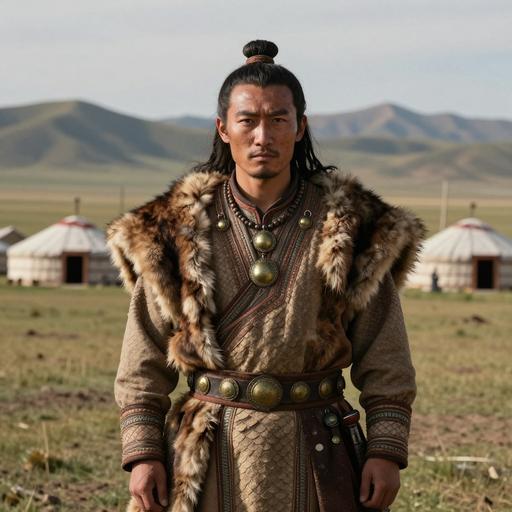
D4J14 occurs at low to very low frequency in modern East and Northeast Asian populations and has been identified in a small number of ancient Northeast Asian contexts. Reported occurrences align with the known distribution of D4J1 and other D4 sublineages: coastal and inland regions of Northeast China (including populations classified as Han with regional variation), the Japanese archipelago (including rare concordances with Jomon-associated lineages), the Korean Peninsula, and among some Indigenous Siberian groups (especially Tungusic-speaking populations and occasional findings in Yakut/Evenk individuals). Low-frequency occurrences have also been observed in adjacent Mongolic- and Turkic-speaking groups of East-Central Asia.
The pattern—sporadic, low-frequency presence concentrated in Northeast/East Asia—suggests D4J14 rose locally and persisted by drift and small-scale demographic continuity rather than by large-scale population replacement.
Historical and Cultural Significance
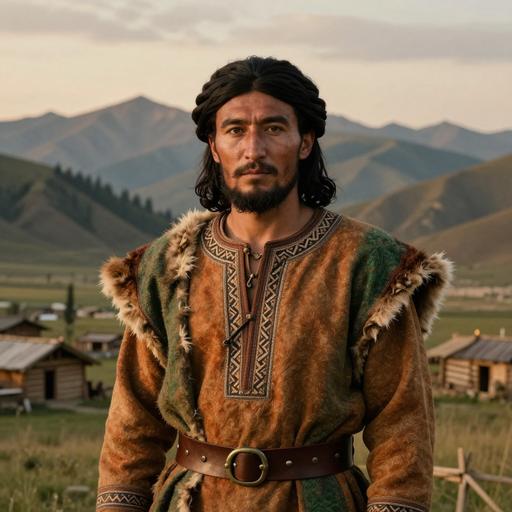
Because D4J14 is uncommon, its cultural associations are subtle and best inferred from the broader behavior of D4J and related D4 subclades. The lineage is most plausibly tied to Holocene hunter-gatherer and early farming communities in the Amur/Primorye region and neighboring coastal areas, and it may appear in archaeological contexts connected with late Neolithic to Bronze Age transitions in Northeast Asia. Occasional presence in Jomon-associated material indicates some maternal continuity or gene flow between mainland Northeast Asia and the Japanese archipelago in prehistory.
From a population-genetic perspective, D4J14 provides useful micro-scale resolution for reconstructing maternal continuity, local migrations, and regional population structure in Northeast/East Asia. Because it is rare, it is less informative about major demographic turnovers but valuable for identifying specific maternal line continuity in archaeological individuals or small subpopulations.
Conclusion
D4J14 is a recent, low-frequency descendant of D4J1 that reflects localized maternal diversification in Northeast/East Asia during the later Holocene (approx. 3.5 kya). Its sporadic presence in modern and ancient samples highlights regional continuity and micro-demographic processes rather than large-scale expansions. Future mitogenome sampling—especially from understudied archaeological sites in the Russian Far East, northeastern China, Korea, and Japan—will clarify its substructure, antiquity, and precise geographic history.
Key Points
- Origins and Evolution
- Subclades
- Geographical Distribution
- Historical and Cultural Significance
- Conclusion