Menu
mtDNA Haplogroup • Maternal Lineage

D5A2A1B3

mtDNA Haplogroup D5A2A1B3

~3,000 years ago
East/Northeast Asia
0 subclades
Scroll to explore
Chapter I

The Story

The journey of mtDNA haplogroup D5A2A1B3

Origins and Evolution

mtDNA haplogroup D5A2A1B3 is a terminal branch of the D5 maternal lineage, nested beneath D5A2A1B. The parent lineage, D5A2A1B, is inferred to have arisen in East–Northeast Asia during the late Holocene. Based on the phylogenetic position and coalescent time estimates for closely related D5 subclades, D5A2A1B3 most likely diverged from its parental node around ~3,000 years ago (3 kya). This places its origin in the Late Bronze Age to Early Iron Age interval in East Asia, a time of increased regional demographic shifts and cultural interactions.

The internal diversity of D5A2A1B3 appears limited compared with older D-lineages, consistent with a relatively recent origin and a demographic history characterized by localized expansions and subsequent drift. Only a small number of downstream branches are currently defined for D5A2A1B3 in published and public sequence databases, and the haplogroup has been identified in at least two ancient DNA samples, indicating some archaeological visibility but a predominantly modern distribution.

Subclades

As a terminal subclade identifier, D5A2A1B3 may contain a few low-frequency downstream variants in whole-mitogenome datasets, but no major deep substructure is widely reported in the literature to date. Where present, downstream diversity tends to be geographically clustered (e.g., within particular provinces of China, regions of Japan, or communities in Korea), suggesting local founder effects or recent population expansions rather than wide, ancient dispersals.

Geographical Distribution

The modern distribution of D5A2A1B3 is concentrated in East and Northeast Asia, with the highest occurrence among Han Chinese, Japanese and Korean populations at low-to-moderate frequencies. The haplogroup also occurs at lower frequencies among Tibetan and other Sino-Tibetan speaking groups, Mongolic and Tungusic peoples (e.g., Mongolians, Evenks), and sporadically in selected populations of Siberia, Central Asia and parts of Southeast Asia. The pattern of occurrences is consistent with an origin in East/Northeast Asia followed by limited spread through migration, cultural contact and historical demographic events (for example, Han-associated population movements and maritime or continental contacts involving Japan and the Korean Peninsula).

Historical and Cultural Significance

Because D5A2A1B3 dates to the late Holocene, its history is likely tied to regional population processes during the Bronze Age, Iron Age and later historic periods rather than to the initial peopling of East Asia. Possible historical correlates include:

  • Agricultural and demographic expansions in parts of China during the late Bronze and early historic eras that redistributed maternal lineages across East Asia.
  • Migration events to the Japanese archipelago (e.g., movements associated with the Yayoi and later population dynamics) that introduced and redistributed lineages observed in modern Japanese samples.
  • Interactions across northeastern Asia, including exchanges between sedentary agricultural groups and pastoralist or hunter-gatherer communities (Mongolic, Tungusic, and some Siberian groups), which could explain the low-frequency occurrences outside core East Asian areas.

The haplogroup's detection in two archaeological individuals provides direct evidence that D5A2A1B3 was present in at least some past populations, but the limited aDNA record indicates it was not a dominant widespread lineage in prehistoric societies sampled to date.

Conclusion
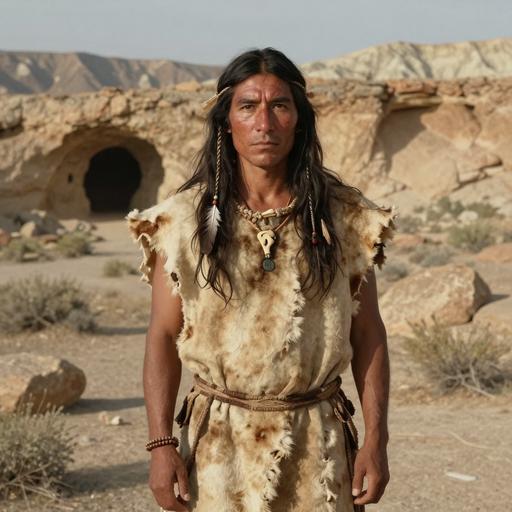
D5A2A1B3 is a relatively recent East/Northeast Asian maternal lineage with a focal distribution among Han Chinese, Japanese and Koreans and scattered presence in neighboring groups. Its late-Holocene origin and modest diversity point to regional founder events and historical dispersals rather than deep Pleistocene antiquity. Continued mitogenome sequencing and ancient DNA sampling across East Asia will refine the phylogeny of D5A2A1B3, clarify its substructure, and better resolve the migratory episodes that shaped its present-day distribution.

Key Points

  • Origins and Evolution
  • Subclades
  • Geographical Distribution
  • Historical and Cultural Significance
  • Conclusion

Chapter II

Tree & Relationships

Phylogenetic context and subclades

Evolution Path

This haplogroup's evolutionary journey from its earliest ancestor to the present.

Steps Haplogroup Age Estimate Archaeology Era Time Passed Immediate Descendants Tested Modern Descendants Ancient Connections
1 D5A2A1B3 Current ~3,000 years ago ⚔️ Iron Age 3,000 years 0 0 0
2 D5A2A1B ~3,000 years ago ⚔️ Iron Age 3,000 years 1 2 4
3 D5A2A1 ~5,000 years ago 🔶 Bronze Age 5,000 years 2 10 0
4 D5A2A ~7,000 years ago 🌾 Neolithic 7,000 years 1 18 6
5 D5A2 ~9,000 years ago 🌾 Neolithic 9,000 years 1 28 0
6 D5A ~15,000 years ago 🏹 Mesolithic 15,000 years 3 33 3
7 D5 ~30,000 years ago 🦴 Paleolithic 30,000 years 3 60 4
8 D ~45,000 years ago 🦴 Paleolithic 45,000 years 7 398 137
9 M ~60,000 years ago 🦴 Paleolithic 60,000 years 11 1,200 41
10 L3 ~70,000 years ago 🦴 Paleolithic 70,000 years 11 17,621 6
11 L ~160,000 years ago 🦴 Paleolithic 160,000 years 7 18,987 5

Subclades (0)

Terminal branch - no known subclades

Chapter III

Where in the World

Geographic distribution and modern presence

Place of Origin

East/Northeast Asia

Modern Distribution

The populations where MTDNA haplogroup D5A2A1B3 is found include:

  1. Han Chinese (various regions of China)
  2. Japanese (including components traceable to Jomon and later populations)
  3. Koreans
  4. Tibetan and other Sino-Tibetan speaking groups
  5. Mongolic and Tungusic peoples (e.g., Mongolians, Evenk) at lower-moderate frequencies
  6. Selected Siberian groups (sporadic/low frequency)
  7. Low-frequency occurrences in parts of Central Asia
  8. Sporadic occurrences in Southeast Asian populations
CHAPTER IV

When in Time

Your haplogroup in the context of human history

~10k years ago

Neolithic Revolution

Agriculture begins, settled communities form

~5k years ago

Bronze Age

Metalworking, writing, and early civilizations

~3k years ago

Iron Age

Iron tools, expanded trade networks

~3k years ago

Haplogroup D5A2A1B3

Your mtDNA haplogroup emerged in East/Northeast Asia

East/Northeast Asia
~2k years ago

Classical Antiquity

Greek and Roman civilizations flourish

Present

Present Day

Modern era

Your Haplogroup
Historical Era
Chapter IV-B

Linked Cultures

Ancient cultures associated with mtDNA haplogroup D5A2A1B3

Cultural Heritage

These ancient cultures have been linked to haplogroup D5A2A1B3 based on matching ancient DNA samples from archaeological excavations. The presence of this haplogroup in these cultures provides insights into the migrations and population movements of populations carrying this haplogroup.

Early Avar Khovsgol Culture Khuvsgul Multi-Period Shimao Culture Songshugou Culture Sukhbaatar Multi-Period Wusun Culture Xiongnu Culture Yappa Nhae Yellow River Culture
Culture assignments are based on archaeological context of ancient DNA samples and may represent regional associations during specific time periods.
Chapter V

Sample Catalog

Top 50 ancient DNA samples directly related to haplogroup D5A2A1B3 or parent clades

50 / 50 samples
Portrait Sample Country Era Date Culture mtDNA Match
Portrait of ancient individual I3727 from Taiwan, dated 1 CE - 800 CE
I3727
Taiwan Iron Age Taiwan 1 CE - 800 CE Taiwanese Iron D6a2 Direct
Portrait of ancient individual I15156 from Taiwan, dated 1 CE - 800 CE
I15156
Taiwan Iron Age Taiwan 1 CE - 800 CE Taiwanese Iron D6a2 Direct
Portrait of ancient individual R78 from Italy, dated 1 CE - 200 CE
R78
Italy Imperial Rome 1 CE - 200 CE Roman Empire D4j11 Direct
Portrait of ancient individual Lovelock2 from USA, dated 26 CE - 207 CE
Lovelock2
USA Lovelock Cave, Nevada, USA 1,850 Years Ago 26 CE - 207 CE Lovelock D1 Direct
Portrait of ancient individual Lovelock2 from USA, dated 26 CE - 207 CE
Lovelock2
USA The First Peoples of North America 26 CE - 207 CE D1 Direct
Portrait of ancient individual L8619 from Uzbekistan, dated 39 BCE - 88 CE
L8619
Uzbekistan Iron Age Rabat Culture of Surxondaryo 39 BCE - 88 CE Rabat Culture D4b2b Direct
Portrait of ancient individual I6228 from Mongolia, dated 40 BCE - 109 CE
I6228
Mongolia Early Iron Age Xiongnu Culture 7, Mongolia 40 BCE - 109 CE Xiongnu Culture D4j12a* Direct
Portrait of ancient individual I11287 from USA, dated 41 BCE - 106 CE
I11287
USA Chumash Culture 41 BCE - 106 CE Chumash D1 Direct
Portrait of ancient individual DUU001 from Mongolia, dated 43 BCE - 64 CE
DUU001
Mongolia Late Medieval Xiongnu 43 BCE - 64 CE Late Xiongnu D4b1a2a1 Direct
Portrait of ancient individual Lovelock1 from USA, dated 49 BCE - 110 CE
Lovelock1
USA Lovelock Cave, Nevada, USA 1,850 Years Ago 49 BCE - 110 CE Lovelock D1 Direct
Chapter VI

Carrier Distribution Map

Geographic distribution of 100 ancient DNA samples carrying haplogroup D5A2A1B3

Time Period Filter
All Time Periods
Showing all samples
Each marker represents an ancient individual
Chapter VII

Temporal Distribution

Distribution of carriers across archaeological periods

Chapter VIII

Geographic Distribution

Distribution of carriers by country of origin

Chapter IX

Country × Era Distribution

Cross-tabulation of carrier countries and archaeological periods

Data

Data & Provenance

Source information and data quality

Last Updated 2026-02-16
Confidence Score 50/100
Coverage Low
Data Source

We use the latest phylotree for MTDNA haplogroup classification and data.