The Story
The journey of mtDNA haplogroup G3A3
Origins and Evolution
mtDNA haplogroup G3A3 is a downstream branch of G3A, itself a subclade of haplogroup G3. The parent clade G3A likely arose in Northeast/East Asia during the early Holocene (~9 kya) and shows continuity in northeastern Asian and Siberian hunter-gatherer populations. Based on its position in the phylogeny as a further split from G3A, G3A3 most plausibly originated later in the Holocene (mid-Holocene, roughly ~4–5 kya), representing a local diversification event within the broader G3 radiation. The timing and geographic pattern suggest G3A3 formed as regional populations in northeastern Asia experienced localized population growth, mobility, and lineage sorting during the later Holocene.
Subclades
As a named subclade (G3A3) of G3A, this lineage sits below G3A in the mtDNA tree. Depending on future full-mitogenome sequencing and phylogenetic resolution, G3A3 may be resolved into further sub-branches (e.g., G3A3a, G3A3b) where geographically structured variation is present. Presently, G3A3 is best understood as a geographically restricted branch that distinguishes a subset of maternal lineages within Northeast Asian G3 diversity.
Geographical Distribution
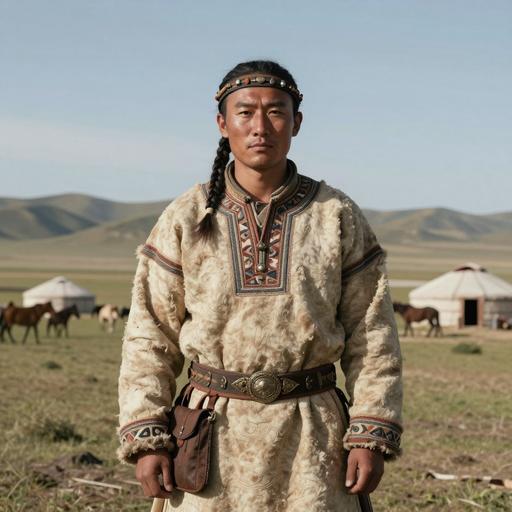
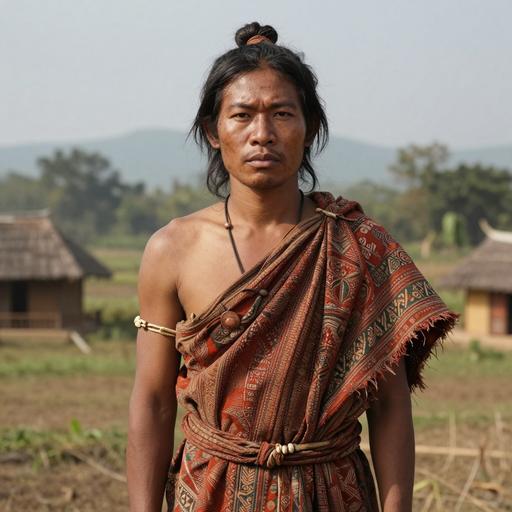
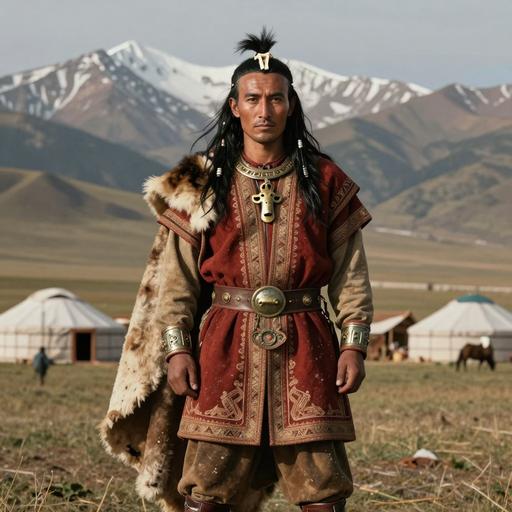
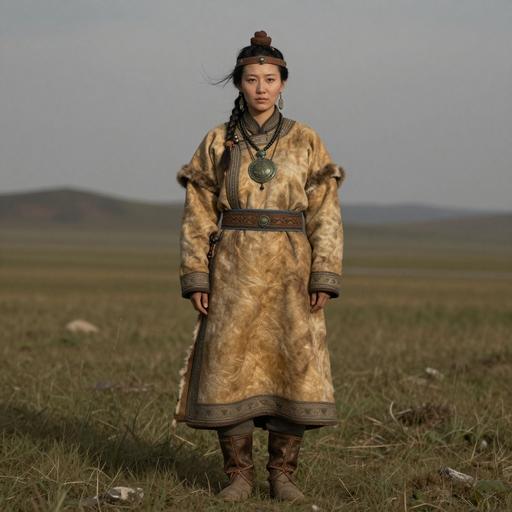
G3A3 is concentrated in northeastern East Asia and adjacent Siberian regions. Modern occurrences are most frequent in populations of the Russian Far East and northeastern Asia, with detectable presence in Japan (including Ainu and some Ryukyuan groups), Koreans and northeastern Han Chinese, and several indigenous Siberian groups. Its distribution indicates a core in the Amur–Okhotsk–Kamchatka region with extensions into neighboring Northeast Asian populations. Occurrences in Central Asia and the Americas, if present, are rare and typically represent low-frequency, localized finds likely due to later movements or recent gene flow.
Historical and Cultural Significance
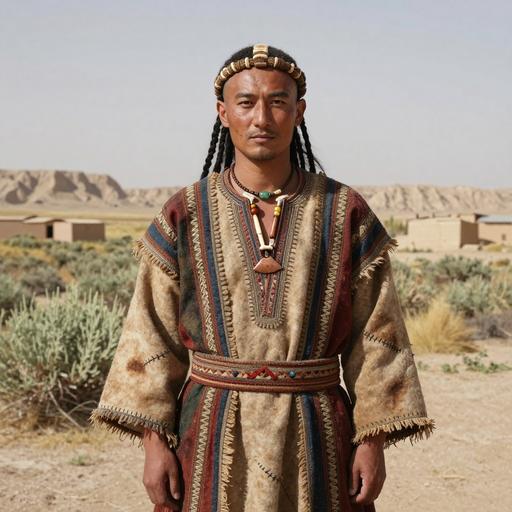
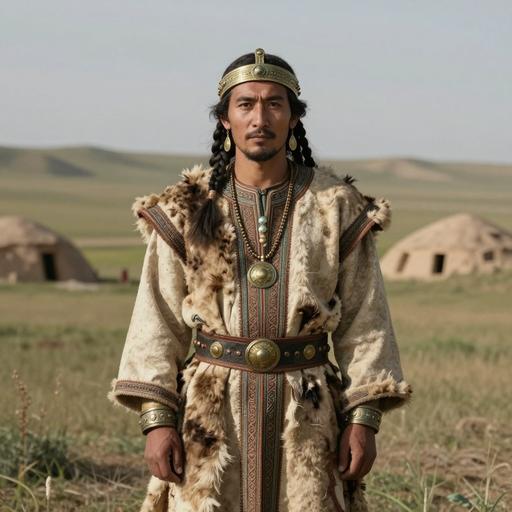
The spatial pattern and estimated age of G3A3 point to a role in regional continuity among Holocene hunter-gatherer and later prehistoric communities in Northeast Asia. The lineage may be associated with late Neolithic to Bronze Age cultural horizons in the Amur and coastal Far East where local forager and mixed forager–farmer interactions occurred. In Japan, G3-derived lineages have been observed in Jomon-related remains and some modern indigenous groups (e.g., Ainu), so G3A3 may reflect either ancient Jomon-era continuity or later contacts across the sea—disentangling these scenarios requires dense ancient DNA sampling and mitogenome resolution.
Ancient DNA and Research Notes
Compared with the parent G3A clade (which appears in multiple ancient samples), G3A3 is rarer in published ancient datasets but has been identified in a small number of archaeological contexts and in several contemporary northeastern Asian populations. Full mitogenome sequencing and broader geographic sampling (particularly of ancient remains from the Amur, Okhotsk, and Hokkaido regions) will clarify the subclade's precise origin date, phylogeographic structure, and demographic history.
Conclusion
G3A3 is a mid-Holocene, Northeast/East Asian maternal lineage that represents local branching within the broader G3A radiation. Its contemporary distribution—centered on the Russian Far East, northeastern Asia, and parts of Japan—highlights regional continuity and localized expansions in the Holocene. Further mitogenomic and ancient DNA work will refine its substructure, age estimates, and archaeological associations.
Key Points
- Origins and Evolution
- Subclades
- Geographical Distribution
- Historical and Cultural Significance
- Ancient DNA and Research Notes