The Story
The journey of mtDNA haplogroup V
Haplogroup V is a mitochondrial DNA (mtDNA) haplogroup that is maternally inherited and plays a significant role in understanding the genetic history and migrations of early European and North African populations. It is a relatively young haplogroup, compared to other ancient lineages like U or H, and is primarily found in Western Europe, Northern Europe, and North Africa, with some presence in the Near East. Haplogroup V is a descendant of haplogroup HV, which itself is part of the larger haplogroup R.
Origin and Evolution
Haplogroup V is estimated to have originated around 12,000 to 15,000 years ago, most likely in the Iberian Peninsula (modern-day Spain and Portugal) or Southwest Europe, during or shortly after the Last Glacial Maximum (LGM). This period was marked by extreme climatic conditions in Europe, with populations confined to glacial refugia in the southern parts of Europe, particularly in Iberia and southern France. As the glaciers receded, haplogroup V likely expanded northward and eastward into other parts of Europe and beyond.
The relatively recent origin of haplogroup V places it in the context of post-glacial recolonization events, where populations expanded into northern Europe as the climate warmed and new territories became habitable.
Geographic Distribution and Significance
Western and Northern Europe
Haplogroup V is most commonly found in Western Europe, particularly in the Iberian Peninsula (Spain and Portugal) and in Northern Europe, especially among the Saami people of Scandinavia. The highest frequencies of haplogroup V are observed in the Basque populations of northern Spain and southern France, and among the Saami, an Indigenous group in northern Norway, Sweden, Finland, and Russia.
Iberian Peninsula: The Basques have some of the highest concentrations of haplogroup V, suggesting that it played a role in the post-glacial recolonization of Europe from the Iberian refugium.
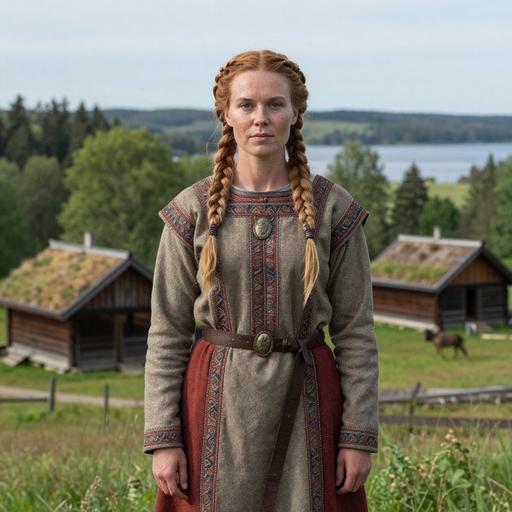
Northern Europe: Haplogroup V is also found at significant frequencies among the Saami people, who are believed to have migrated to Scandinavia following the retreat of the ice sheets. The Saami carry haplogroup V at much higher frequencies than most other European populations, indicating a unique genetic history likely tied to early migrations from southwestern Europe into northern regions.
Eastern and Central Europe
Haplogroup V is found at lower frequencies in Eastern and Central Europe, including populations in Poland, Germany, and parts of Russia. It appears to have spread into these regions as populations moved northward and eastward after the Last Glacial Maximum.
North Africa
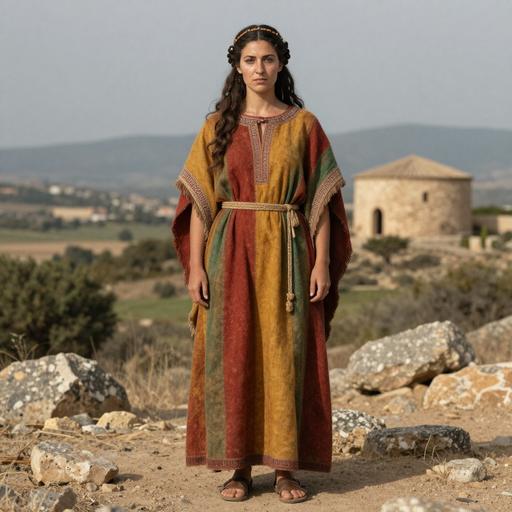
Haplogroup V is present at notable frequencies in North African populations, particularly among the Berbers of Morocco, Algeria, and Tunisia. The presence of haplogroup V in North Africa is thought to reflect ancient migrations from Europe into North Africa across the Mediterranean. These migrations likely occurred during the Neolithic or earlier, when population exchanges between Europe and North Africa were common. The Berbers, an indigenous North African ethnic group, have retained high levels of haplogroup V, reflecting their deep genetic connections with Europe.
Near East
Haplogroup V is also found at lower frequencies in the Near East, including populations in Turkey, Lebanon, and Syria. Its presence here may reflect the broader patterns of human migration and trade that have historically connected Europe, the Near East, and North Africa.
Role in Human Migration
Haplogroup V is a key marker for understanding the post-glacial recolonization of Europe after the Last Glacial Maximum. As the glaciers retreated around 12,000 to 15,000 years ago, populations that had taken refuge in Iberia, southern France, and other southern European regions began to migrate northward and eastward, repopulating the rest of Europe. Haplogroup V was likely carried by some of these early post-glacial migrants.
Paleolithic and Mesolithic Expansion
The spread of haplogroup V is closely associated with the Paleolithic and Mesolithic hunter-gatherer populations who moved northward from southern European refugia as Europe became more habitable after the ice sheets retreated. These early human populations likely followed animal herds and new food sources as they spread across Europe. Haplogroup V was part of this early wave of human recolonization, particularly in western and northern Europe.
Neolithic Expansion
While haplogroup V is more strongly associated with Paleolithic and Mesolithic hunter-gatherers, it may have also been carried by populations during the Neolithic expansion. The Neolithic period, beginning around 9,000 years ago, saw the spread of agriculture from the Near East into Europe, resulting in major population movements and cultural changes. During this time, haplogroup V may have continued to spread across Europe and into North Africa.
Migration into North Africa
The presence of haplogroup V in North Africa, particularly among Berber populations, reflects ancient gene flow between Europe and North Africa. This likely occurred via maritime routes across the Mediterranean, particularly during periods of trade and cultural exchange between the two regions, such as during the Neolithic or early Bronze Age. These migrations contributed to the genetic diversity of North African populations, especially in the Maghreb.
Ancient DNA and Archaeological Evidence
Ancient DNA studies have confirmed the presence of haplogroup V in prehistoric populations across Europe and North Africa, particularly in remains from the Mesolithic and Neolithic periods.
Mesolithic Hunter-Gatherers: Haplogroup V has been detected in several ancient human remains from Mesolithic hunter-gatherer populations in Western Europe. These findings confirm that haplogroup V was present in Europe during the post-glacial recolonization period, as humans moved northward from southern European refugia.
Neolithic Farmers: Although haplogroup V is less common in Neolithic remains, its presence has been confirmed in some Neolithic farming populations, suggesting that it persisted through the transition from hunting and gathering to farming in certain regions of Europe.
North Africa: Ancient DNA studies in North Africa, particularly among the Berbers, have also identified haplogroup V, further supporting the idea of ancient population movements across the Mediterranean.
Modern Distribution and Frequency
Today, haplogroup V is found at varying frequencies across different regions:
Basques: One of the highest concentrations of haplogroup V is found among the Basque people in northern Spain and southern France, where it accounts for around 10-15% of the population.
Saami: The Saami people of northern Scandinavia and Finland carry haplogroup V at frequencies as high as 40%, making them one of the most significant modern carriers of this haplogroup.
Northern and Central Europe: Haplogroup V is present at lower frequencies in other parts of Western, Central, and Northern Europe, typically around 2-5% of the population.
North Africa: In Berber populations in Morocco, Algeria, and Tunisia, haplogroup V is found at moderate frequencies, typically ranging from 5-10%.
Near East: Haplogroup V occurs at lower frequencies in Turkey, Lebanon, and Syria, reflecting the ancient migrations between Europe and the Near East.
Genetic and Evolutionary Significance
Haplogroup V is significant for understanding the genetic history of Europe and North Africa, particularly the post-glacial recolonization of Europe by hunter-gatherer populations. Its high frequencies among Basques and Saami make it an important haplogroup for tracing ancient European ancestry and understanding the genetic diversity of modern populations.
Haplogroup V also provides insights into the population movements across the Mediterranean, linking Europe with North Africa and the Near East through ancient migrations. Its presence in North Africa, especially among Berber populations, highlights the deep genetic connections between these regions.
Conclusion
Haplogroup V is a mitochondrial DNA lineage that originated around 12,000 to 15,000 years ago in Western Europe, likely in the Iberian Peninsula. It played a significant role in the post-glacial recolonization of Europe, particularly among Paleolithic and Mesolithic hunter-gatherer populations. Today, haplogroup V is found at its highest frequencies in Basque populations of northern Spain and southern France, and among the Saami people of northern Scandinavia and Finland.
Haplogroup V is also present in North Africa, especially among Berber populations, reflecting ancient migrations across the Mediterranean. Its scattered distribution across Europe, North Africa, and the Near East makes haplogroup V an important marker for studying ancient human migrations and the genetic history of these regions.
Key Points
- Origin and Evolution
- Geographic Distribution and Significance
- Role in Human Migration
- Ancient DNA and Archaeological Evidence
- Modern Distribution and Frequency