The Story
The journey of mtDNA haplogroup J1C4
Origins and Evolution
mtDNA haplogroup J1C4 is a derived subclade of J1C, itself nested within haplogroup J. J emerged in the Late Pleistocene and diversified further during the early Holocene; J1C likely diversified in the Near East/Caucasus region and J1C4 represents one of the later branches that formed during the Neolithic or immediate post‑Neolithic period. Its estimated coalescence in the early Holocene (~7 kya) is consistent with a scenario in which small maternal lineages differentiated in farming populations or adjacent forager–farmer contact zones in Anatolia, the Caucasus and the Levant.
Population genetic studies of J and its subclades show that many J branches participated in the Neolithic dispersal of agriculturalists into Europe and across the Mediterranean. J1C4's phylogenetic position (a downstream J1C lineage) and its observed geographic distribution indicate a Near Eastern origin followed by dispersal with demographic movements associated with farming and later historical migrations.
Subclades
J1C4 appears to have limited deep internal structure relative to older J subclades, consistent with a more recent origin and modest demographic expansion. Where high‑resolution surveys and complete mitogenomes are available, a few downstream derivations (reported in genome databases and research papers) can sometimes be detected, but overall diversity within J1C4 is lower than in older J lineages. Continued sequencing of ancient and modern mitogenomes may reveal additional internal branches and help refine coalescence dates and phylogeographic patterns.
Geographical Distribution
Modern distribution: J1C4 is found at low to moderate frequencies across parts of Southern and Western Europe, the Near East, the Caucasus and North Africa, with sporadic occurrences reported in parts of Central Asia. Its modern pattern is consistent with spread from a Near Eastern source into Europe during the Neolithic and continued presence in regions with historic connections to the Near East (including some Jewish diasporic communities).
Ancient DNA: J1C and related J subclades are recurrent in Neolithic and later archaeological contexts; specific identifications of J1C4 in ancient remains are less numerous but are consistent with Neolithic and post‑Neolithic dispersals. The presence of J1C lineages in archaeological datasets supports the interpretation that J1C4 participated in the maternal gene flow associated with early farming communities and subsequent regional movements.
Historical and Cultural Significance
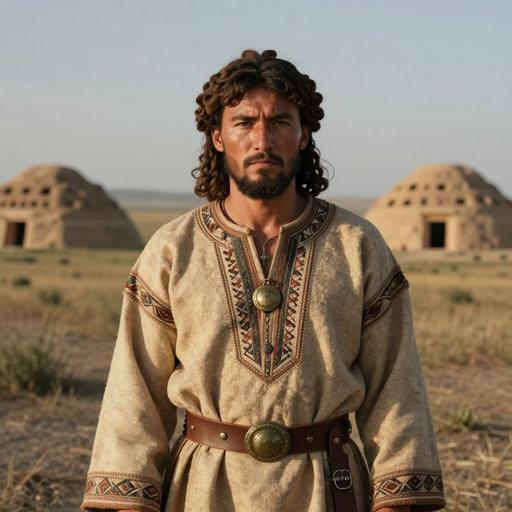
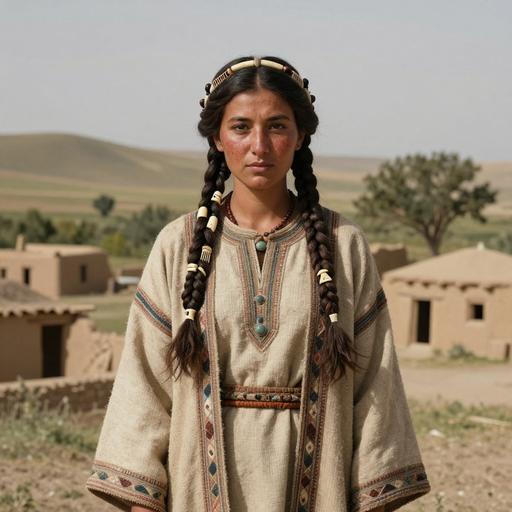
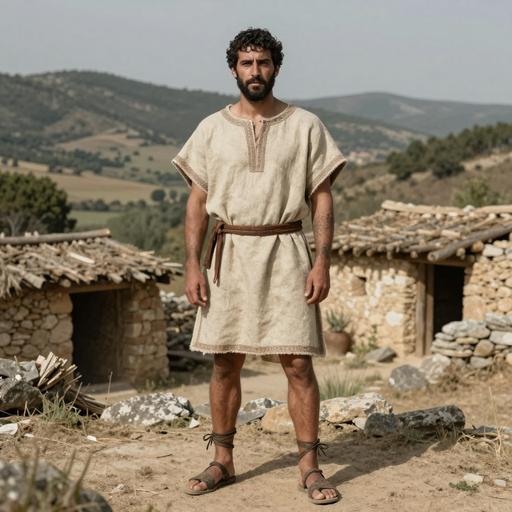
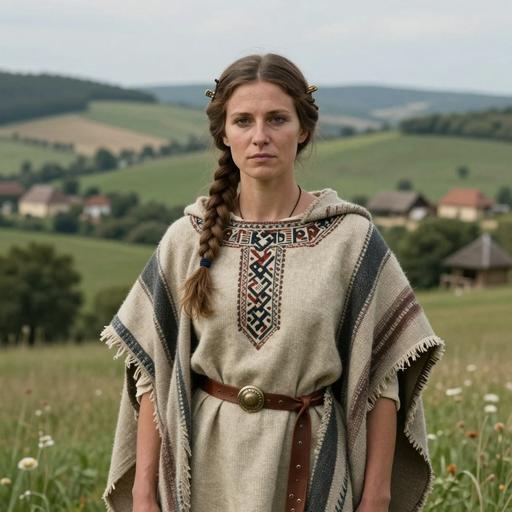
Because J1C4 likely arose in the Near East/Caucasus and expanded with Neolithic demographic processes, it is most strongly associated with early agricultural societies and the spread of farming into Europe and the Mediterranean. Its occurrence in North African and European coastal contexts can reflect maritime and overland Neolithic contacts as well as later historic episodes (trade, population movements during Classical and medieval periods). The haplogroup's appearance in some Jewish populations is consistent with the broader Near Eastern origin of maternal lineages that are shared between regional communities and diasporas.
J1C4 is not tied to a single archaeological complex in the way that some Y‑DNA lineages are tied to male‑mediated expansions; rather, its relevance is as one of many maternal lineages that trace the movement of women and family groups during Neolithic and subsequent demographic events.
Conclusion
J1C4 is a relatively recent, geographically Near Eastern branch of mtDNA haplogroup J that illustrates typical patterns of maternal lineage diversification during the early Holocene and Neolithic. Its distribution across Europe, the Mediterranean, the Caucasus and North Africa reflects Neolithic farmer dispersals and later regional interactions. Ongoing mitogenome sequencing in both modern and ancient samples will refine its internal structure, age estimates and precise migratory pathways.
Key Points
- Origins and Evolution
- Subclades
- Geographical Distribution
- Historical and Cultural Significance
- Conclusion