Menu
mtDNA Haplogroup • Maternal Lineage

J1C8

mtDNA Haplogroup J1C8

~6,000 years ago
Near East / Caucasus
1 subclades
Scroll to explore
Chapter I

The Story

The journey of mtDNA haplogroup J1C8

Origins and Evolution

Haplogroup J1C8 is a subclade of mtDNA haplogroup J1C, itself a branch of haplogroup J. Haplogroup J is widely interpreted in population genetics as a lineage that diversified in the Near East and adjacent regions after the Last Glacial Maximum and played a prominent role in Neolithic expansions. Given the parent clade J1C's estimated time depth (~12 kya) and geographic focus in the Near East/Caucasus, J1C8 is best understood as a later, more regionally restricted offshoot that likely formed during the later Neolithic or in the Chalcolithic/Bronze Age transition (roughly 6 kya, with some uncertainty).

The formation of J1C8 reflects the stepwise branching pattern typical of mtDNA phylogenies: an ancestral J > J1 > J1C lineage gives rise to downstream subclades that accumulate defining mutations and then expand locally. The limited number of reported samples for J1C8 in published databases suggests a relatively restricted distribution and modest demographic expansion compared with more widespread maternal haplogroups.

Subclades (if applicable)

At present, J1C8 is considered a terminal or near‑terminal subclade within J1C in many public phylogenies; if further internal diversity is discovered with deeper sequencing and broader sampling, additional named subclades could be defined. Because J1C8 is a downstream branch, its internal substructure is expected to be shallow relative to older branches of J.

Geographical Distribution

J1C8 appears most consistently in regions connected to the Near Eastern genetic and cultural sphere. Published and database samples indicate occurrences in:

  • The Caucasus and the Near East (highest probability of origin and presence).
  • Southern and Mediterranean Europe (likely introduced via Neolithic farmer dispersals and later historic movements across the Mediterranean).
  • North Africa in scattered instances, consistent with prehistoric and historic Mediterranean contacts.
  • Small low‑frequency occurrences reported in parts of Central Asia and among diasporic Jewish communities in which J1C lineages are generally observed.

Overall the distribution is patchy and concentrated around the eastern Mediterranean and adjacent regions; frequencies tend to be low to moderate in sampled modern populations and sparse in ancient DNA records, which limits precise frequency estimates.

Historical and Cultural Significance

Because J1C as a whole is tied to Near Eastern and early farmer ancestries, J1C8 is best interpreted in the context of Neolithic and post‑Neolithic demographic processes: the spread of agriculture from Anatolia and the Levant into Europe and the Mediterranean, later Bronze Age movements, and historical trade and migration networks that connected the Near East, North Africa and southern Europe. The presence of J1C lineages in some Jewish communities and in Mediterranean populations suggests that downstream branches like J1C8 may also have been carried by small‑scale population movements, trade, or gene flow associated with documented historical migrations.

Archaeogenetic datasets currently include relatively few securely assigned J1C8 ancient samples; this implies either that the clade was never extremely common in the sampled contexts or that it has been undersampled. As ancient DNA sampling expands in the Caucasus, Anatolia, and Mediterranean, the archaeological contexts and timing of J1C8 dispersals may become clearer.

Conclusion

J1C8 represents a downstream maternal lineage rooted in the Near East/Caucasus sphere with a probable Neolithic to post‑Neolithic origin around the mid‑Holocene. Its modern distribution is patchy but centers on the eastern Mediterranean, southern Europe and neighboring regions, consistent with the broader migratory and cultural processes that shaped maternal diversity in those areas. Further high‑coverage mitogenome sequencing and denser population and ancient‑DNA sampling are needed to refine the age, internal structure, and precise migratory history of J1C8.

Key Points

  • Origins and Evolution
  • Subclades (if applicable)
  • Geographical Distribution
  • Historical and Cultural Significance
  • Conclusion

Chapter II

Tree & Relationships

Phylogenetic context and subclades

Evolution Path

This haplogroup's evolutionary journey from its earliest ancestor to the present.

Steps Haplogroup Age Estimate Archaeology Era Time Passed Immediate Descendants Tested Modern Descendants Ancient Connections
1 J1C8 Current ~6,000 years ago 🪨 Chalcolithic 6,000 years 1 19 0
2 J1C ~12,000 years ago 🌾 Neolithic 12,000 years 9 605 319
3 J1 ~30,000 years ago 🦴 Paleolithic 30,000 years 2 1,069 55
4 J ~45,000 years ago 🦴 Paleolithic 45,000 years 4 1,622 16
5 JT ~45,000 years ago 🦴 Paleolithic 45,000 years 2 3,237 1
6 N ~60,000 years ago 🦴 Paleolithic 60,000 years 15 15,452 13
7 L3 ~70,000 years ago 🦴 Paleolithic 70,000 years 11 17,621 6
8 L ~160,000 years ago 🦴 Paleolithic 160,000 years 7 18,987 5

Siblings (8)

Other branches from the same parent haplogroup

Chapter III

Where in the World

Geographic distribution and modern presence


Place of Origin

Near East / Caucasus

Modern Distribution

The populations where MTDNA haplogroup J1C8 is found include:

  1. Southern and Western European populations (especially Mediterranean coastlines)
  2. Middle Eastern populations (Anatolia, Levant, Caucasus)
  3. North African populations (coastal, low frequency)
  4. Caucasus region populations
  5. Some populations in Central Asia (rare occurrences)
  6. Jewish populations (diasporic communities, low frequency)
CHAPTER IV

When in Time

Your haplogroup in the context of human history

~10k years ago

Neolithic Revolution

Agriculture begins, settled communities form

~6k years ago

Haplogroup J1C8

Your mtDNA haplogroup emerged in Near East / Caucasus

Near East / Caucasus
~5k years ago

Bronze Age

Metalworking, writing, and early civilizations

~3k years ago

Iron Age

Iron tools, expanded trade networks

~2k years ago

Classical Antiquity

Greek and Roman civilizations flourish

Present

Present Day

Modern era

Your Haplogroup
Historical Era
Chapter IV-B

Linked Cultures

Ancient cultures associated with mtDNA haplogroup J1C8

Cultural Heritage

These ancient cultures have been linked to haplogroup J1C8 based on matching ancient DNA samples from archaeological excavations. The presence of this haplogroup in these cultures provides insights into the migrations and population movements of populations carrying this haplogroup.

Anatolian Neolithic Channel Islands Neolithic Körös Culture Landbo Culture Linear Pottery Culture Malak Preslavets Culture Middle Iron Age Sardinian Sălcuța Starčevo Culture
Culture assignments are based on archaeological context of ancient DNA samples and may represent regional associations during specific time periods.
Chapter V

Sample Catalog

Top 50 ancient DNA samples directly related to haplogroup J1C8 or parent clades

50 / 50 samples
Portrait Sample Country Era Date Culture mtDNA Match
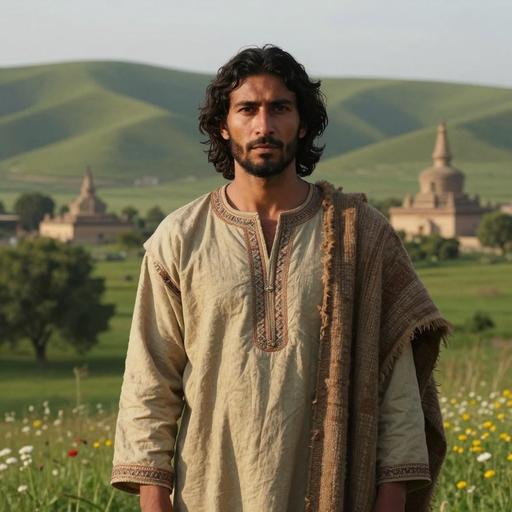
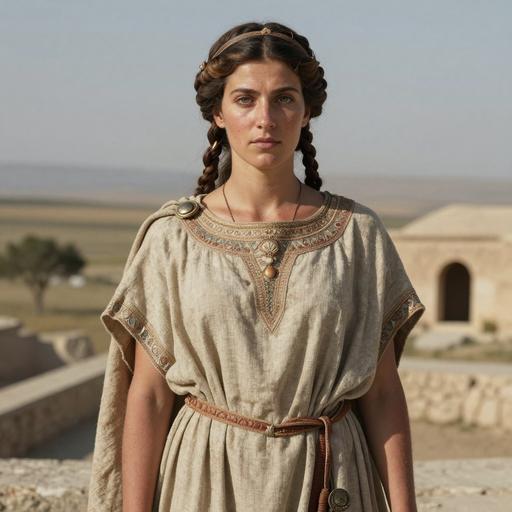
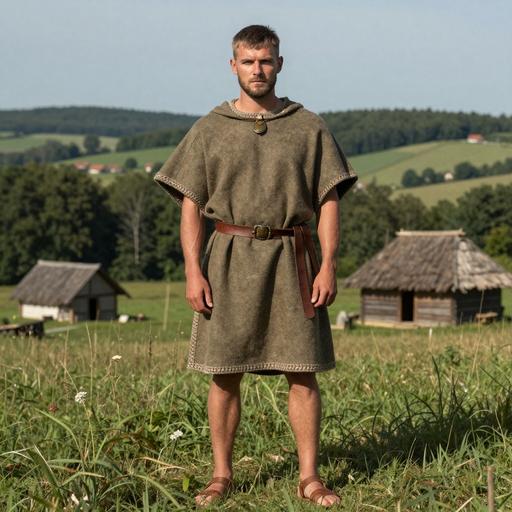
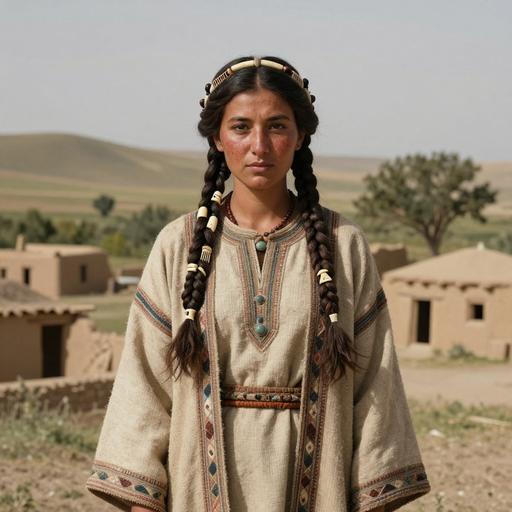
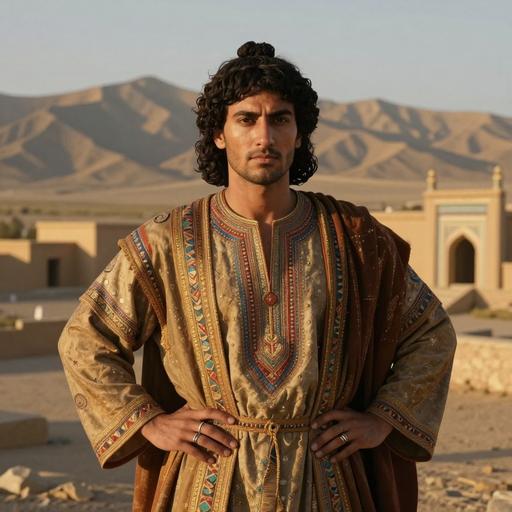
Portrait of ancient individual I11565 from Pakistan, dated 1 CE - 1000 CE
I11565
Pakistan Medieval Parwak 1 CE - 1000 CE Parwak J1b1 Direct
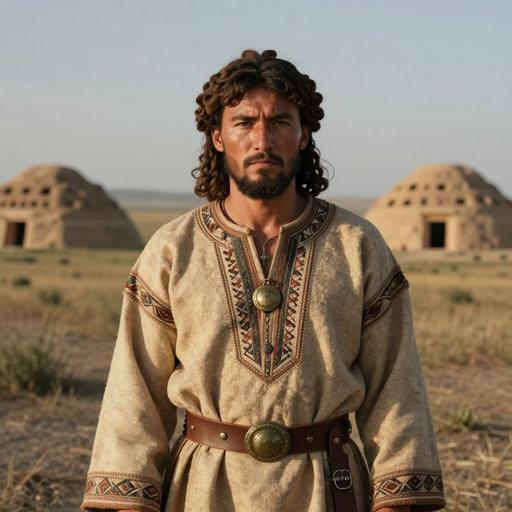
Portrait of ancient individual R1544 from Italy, dated 1 CE - 400 CE
R1544
Italy Imperial Rome 1 CE - 400 CE Roman Empire J1c Direct
Portrait of ancient individual I15501 from Serbia, dated 1 CE - 400 CE
I15501
Serbia Roman Serbia 1 CE - 400 CE Roman Provincial J1c1 Direct
Portrait of ancient individual DA98 from Kyrgyzstan, dated 26 CE - 242 CE
DA98
Kyrgyzstan The Hun Period in Kyrgyzstan 26 CE - 242 CE Hunnic Period J1d6 Direct
Portrait of ancient individual DA98 from Kyrgyzstan, dated 26 CE - 242 CE
DA98
Kyrgyzstan The Huns 26 CE - 242 CE J1d6 Direct
Portrait of ancient individual I20139 from Turkey, dated 27 BCE - 476 CE
I20139
Turkey Roman Period 5 Turkey 27 BCE - 476 CE Roman Turkey J2a2e Direct
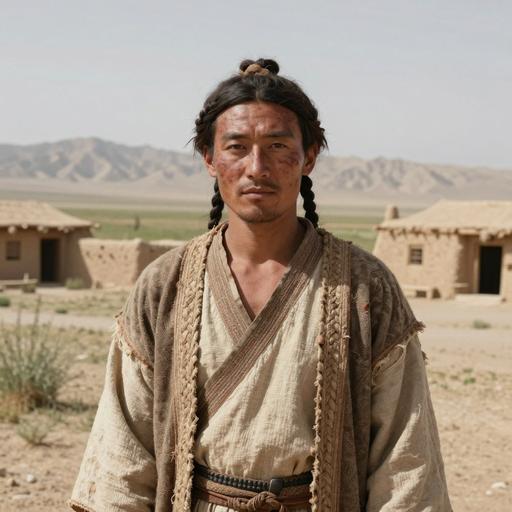
Portrait of ancient individual BRE005 from Kazakhstan, dated 32 BCE - 113 CE
BRE005
Kazakhstan Iron Age Kazakhstan 32 BCE - 113 CE Kazakh Iron Age J2b1a2a Direct
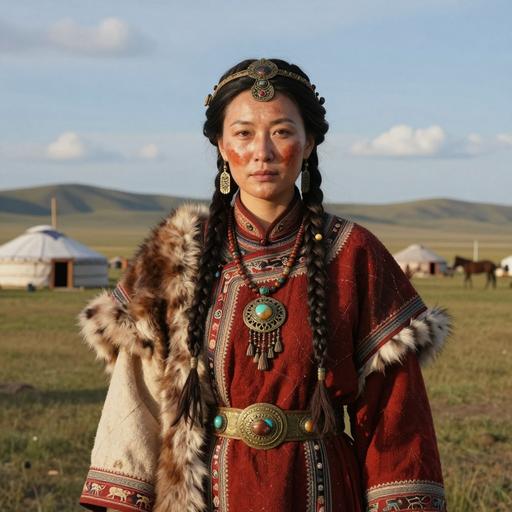
Portrait of ancient individual TMI001 from Mongolia, dated 40 BCE - 109 CE
TMI001
Mongolia Early Medieval Xiongnu 40 BCE - 109 CE Xiongnu J2b1a2a Direct
Portrait of ancient individual PCA0035 from Poland, dated 42 CE - 90 CE
PCA0035
Poland Wielbark Culture 42 CE - 90 CE Wielbark J2b1a5 Direct
Portrait of ancient individual PCA0057 from Poland, dated 45 CE - 77 CE
PCA0057
Poland Wielbark Culture 45 CE - 77 CE Wielbark J1c7a Direct
Chapter VI

Carrier Distribution Map

Geographic distribution of 100 ancient DNA samples carrying haplogroup J1C8

Time Period Filter
All Time Periods
Showing all samples
Each marker represents an ancient individual
Chapter VII

Temporal Distribution

Distribution of carriers across archaeological periods

Chapter VIII

Geographic Distribution

Distribution of carriers by country of origin

Chapter IX

Country × Era Distribution

Cross-tabulation of carrier countries and archaeological periods

Data

Data & Provenance

Source information and data quality

Last Updated 2026-02-16
Confidence Score 50/100
Coverage Low
Data Source

We use the latest phylotree for MTDNA haplogroup classification and data.