The Story
The journey of mtDNA haplogroup N9A2
Origins and Evolution
mtDNA haplogroup N9A2 is a downstream subclade of N9a within macro-haplogroup N. Based on its phylogenetic position relative to other N9a sublineages and the distribution of modern and ancient samples, N9A2 likely coalesced in East Asia in the early Holocene (roughly around 9 kya, give or take a few thousand years). Its emergence fits the general pattern seen for many East Asian maternal lineages that diversified after the Last Glacial Maximum during periods of climate amelioration and increasing human population sizes.
N9A2 is defined by specific control-region and coding-region mutations that separate it from other N9a branches. As with many mtDNA subclades, the precise branch structure and age estimates are refined as more complete mitogenomes from diverse populations and ancient remains are sequenced.
Subclades
N9A2 may include nested sublineages that show local expansions or drift in particular regions (for example, derived types that are more frequent in insular Japan or in specific Chinese provinces). Where full mitogenomic resolution is available, researchers can identify subbranches that reflect more recent population movements (Neolithic agricultural expansions, local founder effects, or historic migrations). Because sampling is still incomplete across parts of East and Southeast Asia, the internal diversity of N9A2 is expected to increase as additional whole-mitochondrial genomes are generated.
Geographical Distribution
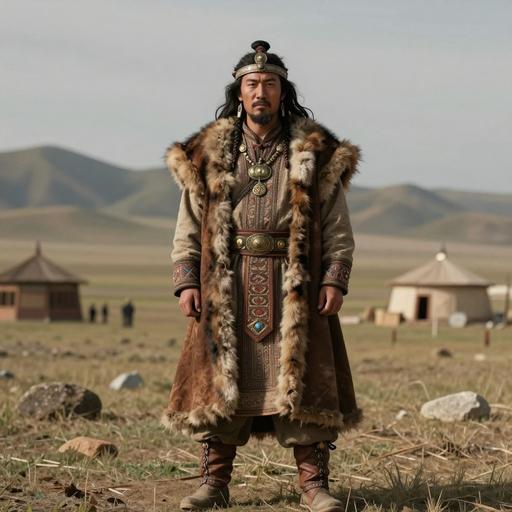
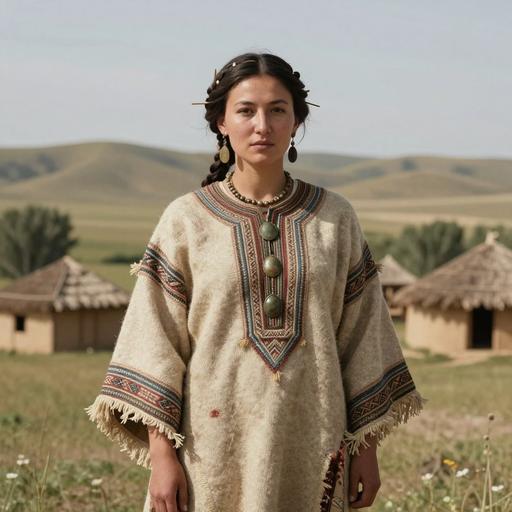
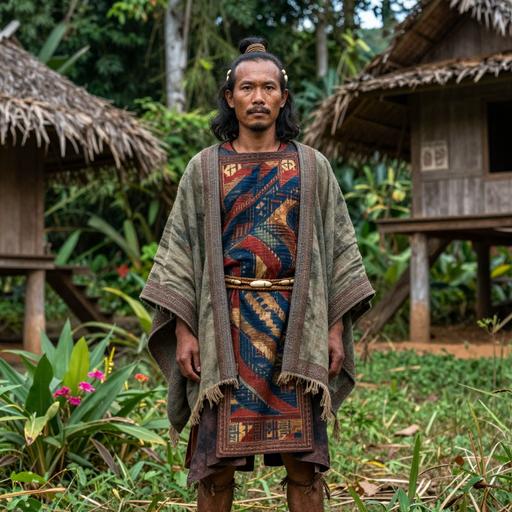
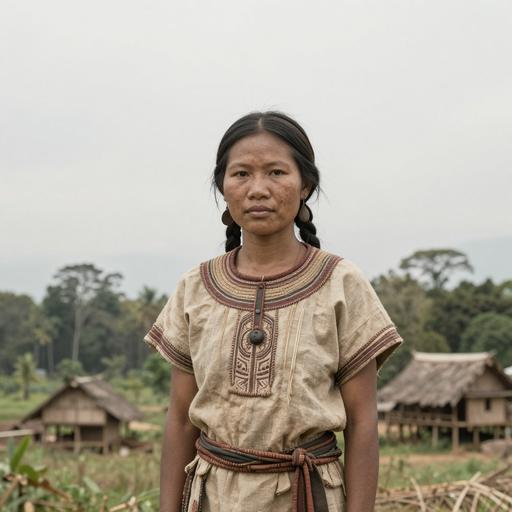
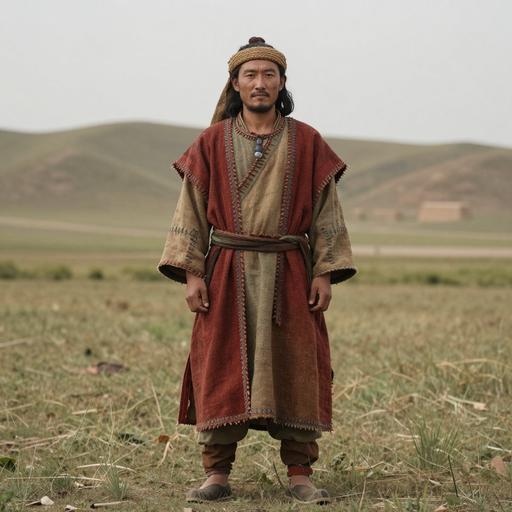
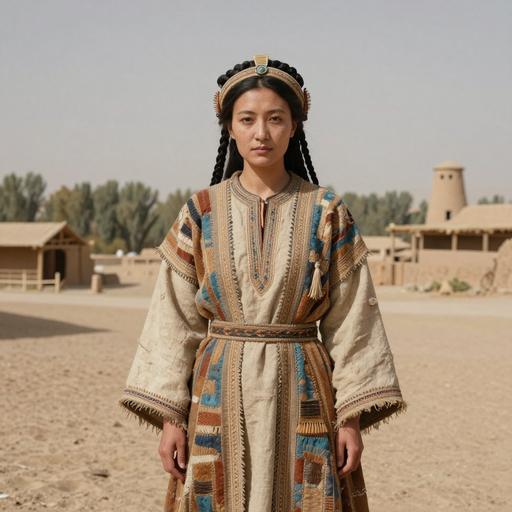
N9A2 is primarily an East Asian maternal lineage observed at low-to-moderate frequencies in populations such as Han Chinese, Japanese, and Koreans, with sporadic occurrences among neighboring Tungusic, Mongolic, Tibeto-Burman and some Southeast Asian groups. Its distribution is concentrated in mainland and insular East Asia, with lower-frequency presence in parts of Central Asia and occasional detection in diaspora communities outside Asia. Ancient DNA studies have recovered N9a-type lineages in Holocene archaeological contexts across East Asia, supporting continuity of this maternal lineage through the Neolithic and later periods.
Historical and Cultural Significance
N9A2's demographic history likely mirrors broader processes in East Asia: post-glacial expansions, followed by Neolithic population growth associated with the spread of farming (especially rice agriculture in southern and eastern China and millet systems in northern China), and subsequent regional migrations and admixture. In Japan, some N9a sublineages have been linked to prehistoric populations that contributed to the genetic makeup of modern Japanese (a mixture of Jomon and later agricultural migrants), though the relative contribution of N9A2 specifically varies by region and requires high-resolution data to resolve.
Because N9A2 occurs at modest frequencies, it is useful in population-level studies as a marker of East Asian maternal ancestry and regional demographic events, but less useful than very common haplogroups for fine-scale population assignment without full mitogenome data.
Conclusion
N9A2 is a well-defined subclade of N9a that arose in East Asia during the early Holocene and reflects the post-glacial and Neolithic demographic processes that shaped maternal lineages in the region. Continued mitogenomic sampling—especially of ancient remains and under-sampled modern groups—will clarify its internal structure, precise age, and finer geographic patterning.
Key Points
- Origins and Evolution
- Subclades
- Geographical Distribution
- Historical and Cultural Significance
- Conclusion