The Story
The journey of mtDNA haplogroup T2C
Origins and Evolution
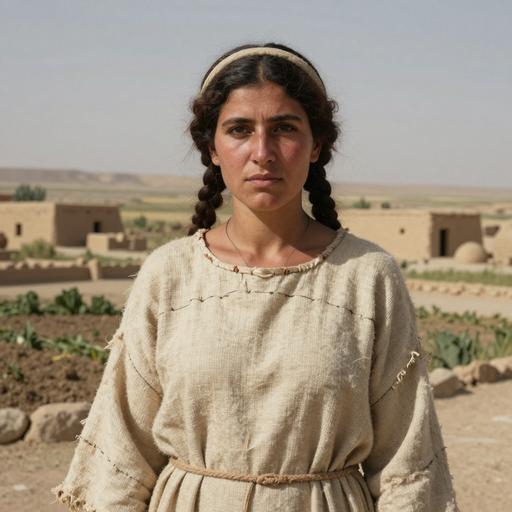
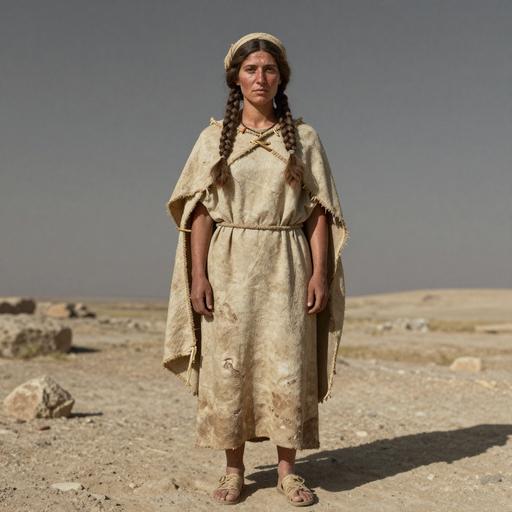
mtDNA haplogroup T2C is a downstream branch of T2, itself part of the broader JT macrohaplogroup. The parent haplogroup T2 is estimated to have originated ~21 kya in the Near East or adjacent regions; T2C is believed to have emerged later, most likely during the Late Glacial or early Holocene (roughly ~11 kya in our estimate). Its origin in the Near East/Eastern Mediterranean is supported by the phylogenetic position within T2 and the geographic distribution of basal and related lineages.
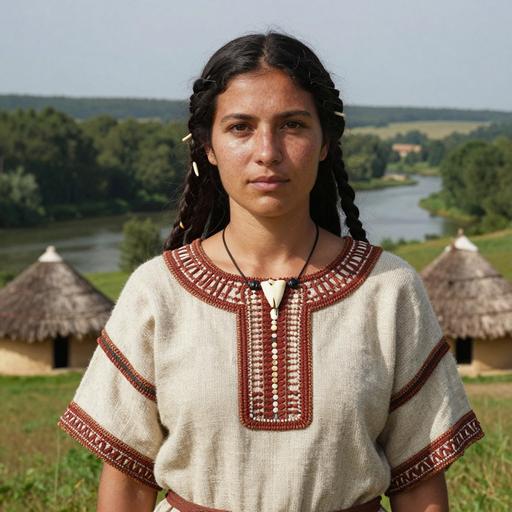
The diversification of T2C likely occurred as populations expanded north- and westward after the Last Glacial Maximum and during the Neolithic transition. Like many maternal lineages associated with T2, T2C appears in contexts consistent with both late Pleistocene/postglacial dispersals and with early farming expansions from Anatolia and the Near East into Europe.
Subclades
T2C shows further internal structure (designated in the literature with downstream labels such as T2c1, T2c1a, etc., depending on the resolution of the phylogeny). These sub-branches reflect regionally-specific founder events and subsequent drift. High-resolution sequencing (full mitochondrial genomes) refines internal branching and helps track localized expansions; low-resolution (HVR only) data can obscure these distinctions. Ongoing ancient DNA studies and expanded modern mitogenome sampling continue to clarify T2C substructure.
Geographical Distribution
Today T2C is observed at low-to-moderate frequencies across the Mediterranean and parts of continental Europe, with lower presence in North Africa, the Caucasus, and Central Asia. It is most consistently reported in:
- Southern Europe (particularly Mediterranean coastal areas)
- Central and Eastern Europe at modest frequencies
- The Near East and Anatolia (as part of the broader T2/T pool)
- North Africa at lower frequency, typically reflecting prehistoric and historic gene flow across the Mediterranean
- The Caucasus and parts of Central Asia at low frequency
T2C is also found, at varying frequencies, among Jewish communities (including some Ashkenazi lineages), reflecting both ancient Near Eastern ancestry and later regional admixture. Ancient DNA recovery of T2C in archaeological contexts is limited but present; your database notes one ancient sample identified as T2C, consistent with the lineage's participation in prehistoric population processes.
Historical and Cultural Significance
Because T2 and its subclades are frequently associated with early farmers in Europe, T2C is often interpreted as part of the maternal signature of postglacial re-expansions and the Neolithic agricultural dispersal from Anatolia and the Near East. In archaeogenetic datasets, T2 lineages are found among Early European Farmers (EEF) and in later mixed populations; T2C's presence in modern Mediterranean and Central/Eastern European populations likely reflects these prehistoric movements plus subsequent local demographic events (drift, founder effects, and historical migrations).
T2C is not strongly tied to any single archaeological culture in the way some Y-chromosome lineages are, but its pattern is consistent with Neolithic farmer-associated maternal ancestries and with later regional demographic processes that shaped modern European and Near Eastern gene pools.
Conclusion
mtDNA T2C is a regional branch of the broader T2 lineage that likely originated in the Near East in the early Holocene and dispersed into Europe with postglacial and Neolithic movements. It persists in modern populations across the Mediterranean, parts of Europe, the Caucasus, and North Africa, and contributes to the maternal genetic landscape associated with early farming and subsequent population dynamics. Continued mitogenome sequencing and ancient DNA sampling will refine its age estimates, subclade structure, and precise historical trajectories.
Notes on interpretation: frequency estimates vary by sampling strategy and resolution (control-region vs complete mitogenomes). Presence in modern populations does not by itself indicate a single migration event; T2C's distribution is best explained by multiple dispersals and local demographic histories.
Key Points
- Origins and Evolution
- Subclades
- Geographical Distribution
- Historical and Cultural Significance
- Conclusion