The Story
The journey of mtDNA haplogroup T2E
Origins and Evolution
mtDNA haplogroup T2E is a downstream branch of haplogroup T2, itself a major subclade of haplogroup T within the broader JT mitochondrial lineage. Based on the phylogenetic position of T2E within T2 and the temporal framework for diversification of T2 subclades, T2E most likely arose in the early Holocene (roughly the early Neolithic period) in the Near East or the eastern Mediterranean (Anatolia/Levant). From there, carriers of T2E spread westward into Europe alongside farming populations and also dispersed locally into neighboring regions such as North Africa and the Caucasus.
Subclades
T2E sits as a defined branch within the T2 phylogeny. Compared with some larger T2 subclades (e.g., T2b, T2d), T2E is relatively rare and presents fewer deeply split downstream branches documented in large reference datasets. Where present, further subdivisions of T2E are typically resolved by full mitogenome sequencing; population-level surveys based only on HVR or partial markers may under-detect its internal diversity. Ancient DNA surveys that include full mitochondrial genomes are the most informative source for identifying internal substructure of T2E.
Geographical Distribution
Modern distribution: T2E is most often observed at low-to-moderate frequencies in Southern European populations (Italy, Greece, Iberia), parts of Central and Eastern Europe, and in the Near East. Lower-frequency occurrences are recorded in North Africa, the Caucasus and parts of Central Asia. T2E has also been reported in some Jewish groups (including Ashkenazi lineages), consistent with historical gene flow between the Near East, Europe and Jewish diasporas.
Ancient DNA: T2E appears in archaeological contexts and is one of several T2 subclades identified in Neolithic and later European samples; in the dataset referenced here it is present in 38 ancient samples, supporting a pattern of persistence from the Neolithic into later prehistoric and historic periods.
Historical and Cultural Significance
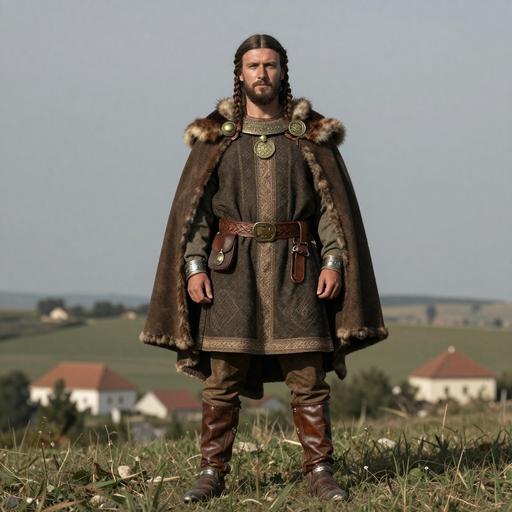
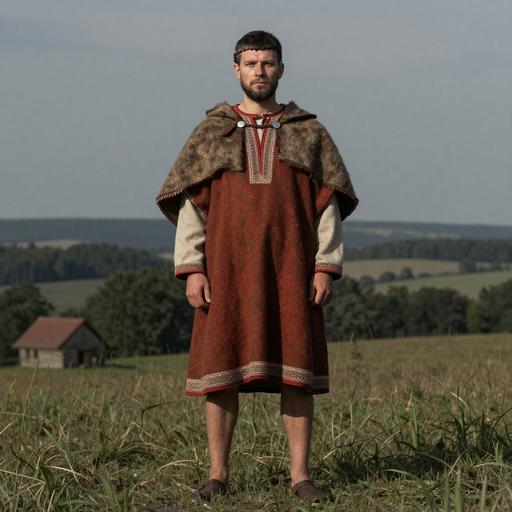
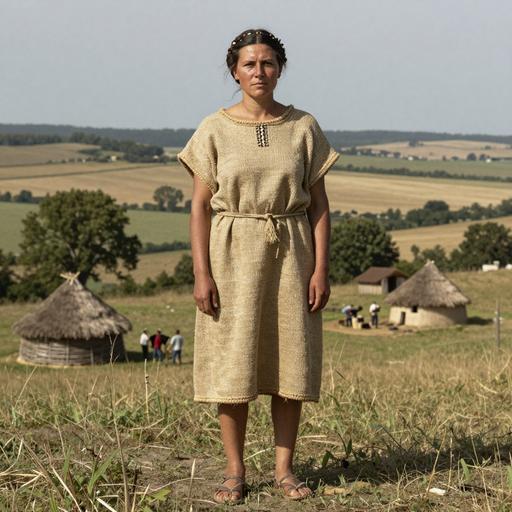
Because T2 lineages in general are strongly associated with Neolithic farming populations migrating out of the Near East into Europe, T2E is best interpreted as a maternal lineage connected to the spread of agriculture and subsequent local demographic events. Its presence in early farmer-associated contexts (and in later Bronze Age and historic samples) indicates continuity of some maternal lineages across cultural transitions. In regions such as the Mediterranean and parts of Central Europe, T2E may reflect both initial Neolithic input and later regional movements (trade, migration, and demographic shifts).
T2E’s occurrence in Jewish communities reflects the complex history of migrations and gene flow between Levantine source populations and diasporic communities in Europe.
Conclusion
T2E is a moderately rare mtDNA subclade of T2 with an origin in the Near East during the early Holocene and a distribution shaped principally by the Neolithic expansion of farmers into Europe and subsequent regional demographic processes. It is best examined using full mitogenome data to resolve its internal diversity and to trace fine-scale migration histories across Europe, the Near East, North Africa and adjacent regions.
Key Points
- Origins and Evolution
- Subclades
- Geographical Distribution
- Historical and Cultural Significance
- Conclusion