The Story
The journey of mtDNA haplogroup T2G1A
Origins and Evolution
mtDNA haplogroup T2G1A is a downstream branch of T2G1, itself part of the broader T2 lineage, which derives from haplogroup T. The parent clade T2G1 is thought to have originated in the Near East / Anatolia during the Neolithic (around ~7 kya). T2G1A represents a later diversification within that Near Eastern Neolithic genetic background, with a probable coalescence in the mid- to late-Neolithic period (~5–6 kya). As with many T2 subclades, its emergence and early spread are plausibly linked to demographic movements associated with the spread of farming and exchange networks radiating from Anatolia and the adjacent Near East.
Subclades
T2G1A is a terminal or near-terminal subclade of T2G1 in currently published trees and databases. It is defined by one or more private mutations downstream of T2G1 (specific marker nomenclature varies between nomenclatures and should be confirmed against a current phylogenetic build). Because T2G1A is rare, published substructure beneath T2G1A is limited; further sequencing of full mitogenomes from diverse populations and archaeological samples may reveal additional internal branching in the future.
Geographical Distribution
The modern and ancient occurrences of T2G1A are geographically scattered and low-frequency. Observations to date indicate presence primarily in:
- Anatolia and the broader Near East, consistent with a local origin and early persistence.
- Southern, Central and Eastern Europe at low to moderate frequencies, reflecting Neolithic and later gene flow into Europe.
- The Caucasus and parts of North Africa at low frequencies, likely via Near Eastern connections and trans-Mediterranean contacts.
- Some Central Asian and Jewish communities where founder effects and historical migrations have concentrated rare maternal lineages.
T2G1A has been identified in a small number of ancient DNA samples (eight in the referenced database), which supports an archaeological presence through at least parts of the Neolithic and later eras in regions connected to Anatolian-derived farmers.
Historical and Cultural Significance
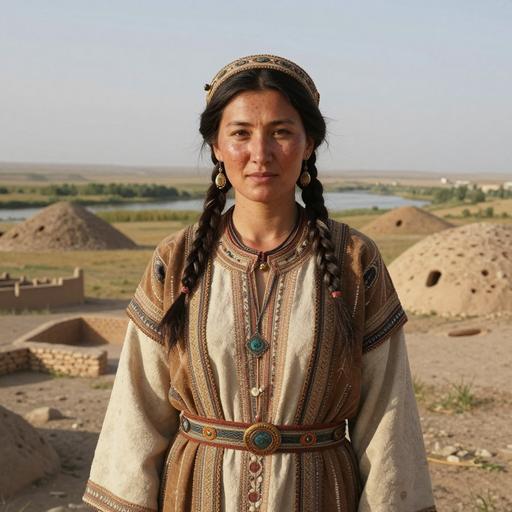
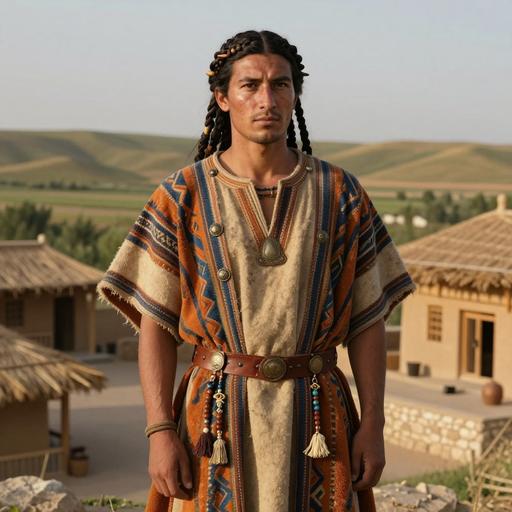
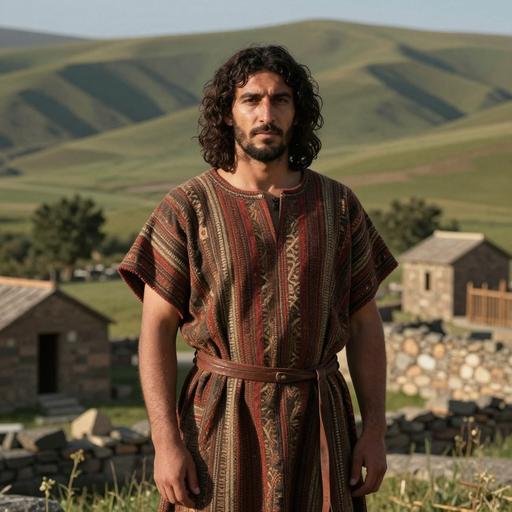
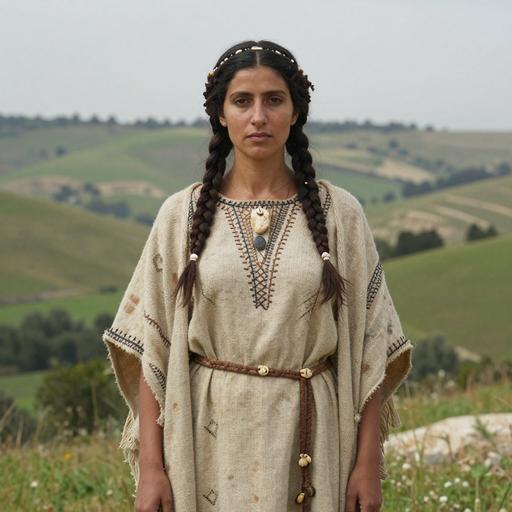
Because T2G1A is nested within a Neolithic-associated branch of T2, its historic significance is primarily as a marker of maternal lineages that accompanied or derived from populations engaged in early farming and associated movement networks. In archaeological contexts, T2 and its subclades are frequently associated with farmer-associated cultures stemming from Anatolia and the Near East (for example, early Neolithic farmer groups that contributed to the genetics of the Linearbandkeramik (LBK), Cardial/Impressed Ware expansions, and later regional Neolithic traditions).
In modern times, the haplogroup's rarity means it generally does not define broad population categories but can be informative in fine-scale studies of ancestry, local founder effects, and maternal line continuity in specific regions or communities, including some Jewish populations where drift and bottlenecks can increase the visibility of otherwise rare lineages.
Conclusion
T2G1A is a rare, regionally scattered Neolithic-derived maternal lineage originating in the Near East / Anatolia and spreading into adjacent regions with farming-related migrations. Its detection in a small number of ancient samples and its presence in diverse modern populations make it a useful marker for tracing micro-history of maternal ancestry connected to Anatolian/Levantine Neolithic expansions and subsequent regional demographic processes. Ongoing mitogenome sequencing and targeted ancient DNA sampling are likely to refine its internal structure, age estimates, and geographic nuances.
Key Points
- Origins and Evolution
- Subclades
- Geographical Distribution
- Historical and Cultural Significance
- Conclusion