The Story
The journey of mtDNA haplogroup U4A1A
Origins and Evolution
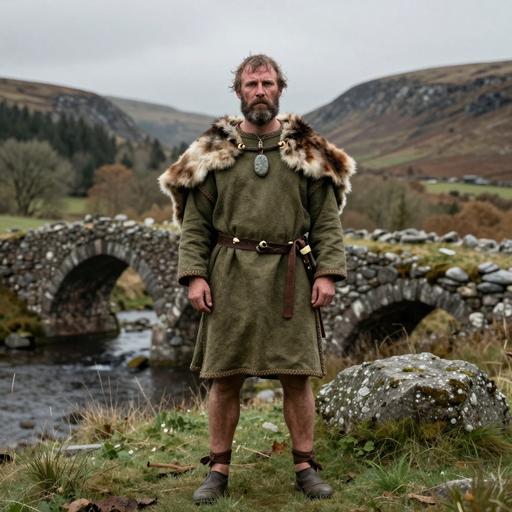
mtDNA haplogroup U4A1A derives from the broader U4A1 branch of haplogroup U4, a maternal lineage that expanded in northern Eurasia after the Last Glacial Maximum. Based on its position within U4A1 and the archaeological contexts in which related lineages appear, U4A1A most likely arose in a northern Eurasian population during the Early Holocene (roughly around 9 thousand years ago) as hunter-gatherer groups recolonized formerly glaciated landscapes. Like other U4 subclades, U4A1A reflects a long-standing Mesolithic maternal substrate in the Baltic, Fennoscandia, and parts of Eastern Europe and shows later, low-frequency penetration into Siberia and Central Asia through prehistoric and historic population movements.
Subclades
U4A1A is a relatively deep but internally modestly diversified subclade: many reported U4A1A assignments in modern and ancient samples are resolved only with whole-mitogenome sequencing, and local microclades have been reported in northern and northeastern Europe. Where present, these microclades can help distinguish regional post-glacial expansions and later demographic continuity (for example, differentiation between Baltic, Finnish, and Russian lineages). Ongoing mitogenome sampling continues to refine the internal branching and geographic structure within U4A1A.
Geographical Distribution
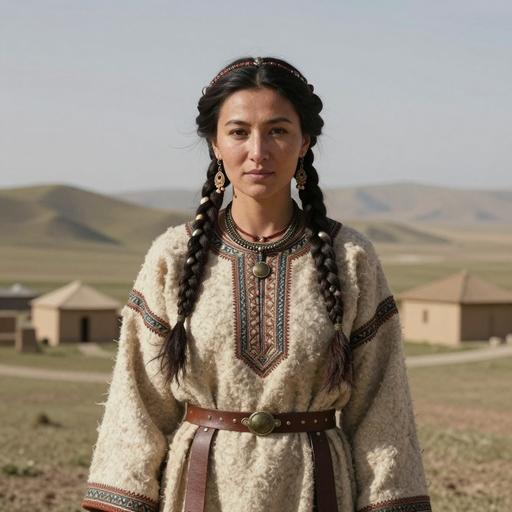
U4A1A is concentrated in northern and eastern Europe with lower-frequency occurrences extending into western Siberia and parts of Central Asia. Modern carrier populations include Scandinavians, Finns, Baltic groups, and various Russian populations; indigenous northern Siberian groups and some Central Asian populations also carry U4A1A at low levels, consistent with gene flow along northern Eurasian corridors. In ancient DNA studies, U4-related lineages (including U4A1 and its subclades) are common in Mesolithic hunter-gatherer remains from northern and eastern Europe and appear sporadically in Neolithic and later contexts, indicating persistence of hunter-gatherer maternal ancestry alongside incoming farmer and steppe-associated groups.
Historical and Cultural Significance
Because U4A1A sits within the broader U4 hunter-gatherer lineage, it is an informative marker for studies of post-glacial recolonization of northern Europe and the persistence of Mesolithic maternal ancestry into later archaeological cultures. U4 lineages (including U4A1A) often contrast with farmer-associated mtDNA lineages (e.g., H, J, T) and therefore serve as a genetic signature of pre-Neolithic populations in the region. The presence of U4A1A in both ancient and modern northern European populations supports models where substantial maternal continuity remained in parts of Fennoscandia and the Baltic despite Neolithic and Bronze Age demographic shifts.
Conclusion
U4A1A is a northern Eurasian maternal sublineage that emerged in the Early Holocene and preserves a signal of Mesolithic hunter-gatherer ancestry across northern and eastern Europe, with additional traces into Siberia and Central Asia. Continued mitogenome sequencing in both modern populations and ancient remains will further resolve its internal structure and clarify regional demographic histories tied to post-glacial expansion and later cultural transformations.
Key Points
- Origins and Evolution
- Subclades
- Geographical Distribution
- Historical and Cultural Significance
- Conclusion