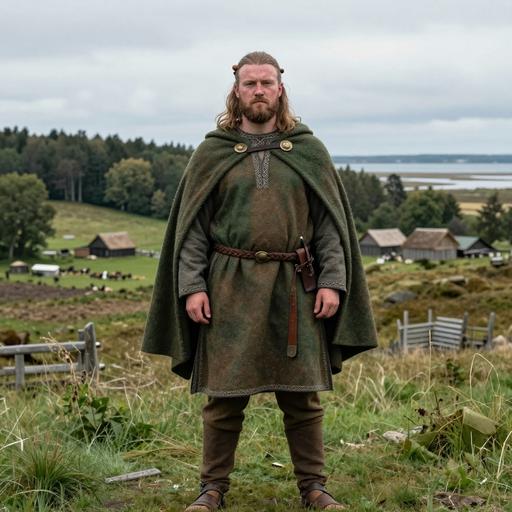
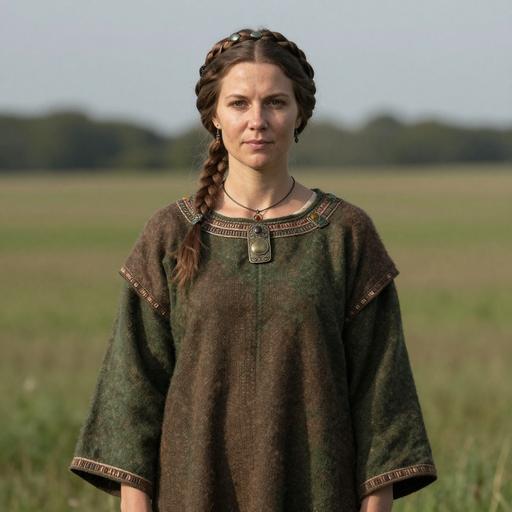
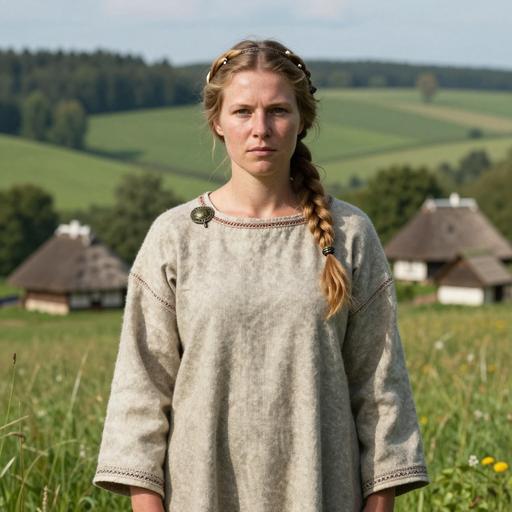
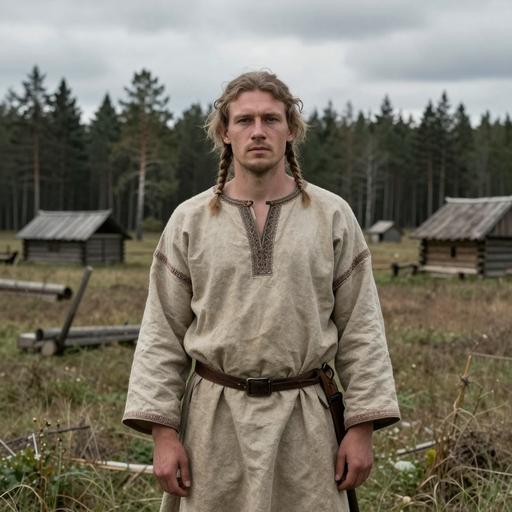
The Story
The journey of mtDNA haplogroup U4B1
Origins and Evolution
mtDNA haplogroup U4B1 is a downstream branch of U4B, itself a subclade of the broader haplogroup U4. Haplogroup U4 is one of the ancient European maternal lineages that expanded or re‑diversified around the end of the Last Glacial Maximum and into the Early Holocene. U4B1 likely arose in a Northern or Northeastern European/Northern Eurasian context during the Late Glacial or the early postglacial period (~15 kya), inheriting the deep Mesolithic affinities of U4 while representing a more geographically restricted derivative.
Over time U4B1 appears sporadically in ancient DNA datasets: it is consistent with continuity from Mesolithic hunter‑gatherer populations in northern Europe, and with subsequent low‑level gene flow or persistence into Neolithic and Bronze Age contexts in parts of northern and eastern Eurasia. Its phylogenetic placement as a subclade of U4B makes it useful for tracing maternal lines that connect Late Glacial forager populations to later regional groups.
Subclades (if applicable)
U4B1 is itself a subclade within the U4B branch. Compared with the broader U4 clade, U4B and its internal lineages (including U4B1) are more geographically concentrated in northern and northeastern Europe with detectable offshoots into Siberia and adjacent regions. High-resolution sequencing of modern and ancient mitogenomes can reveal further downstream variation inside U4B1 (private mutations or local subbranches), but published ancient‑DNA surveys show U4B/V/U5 complex lineages more commonly than deeply branched U4B1 diversity.
Geographical Distribution
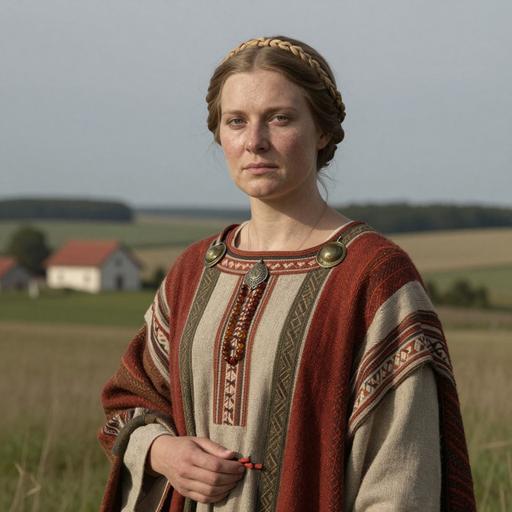
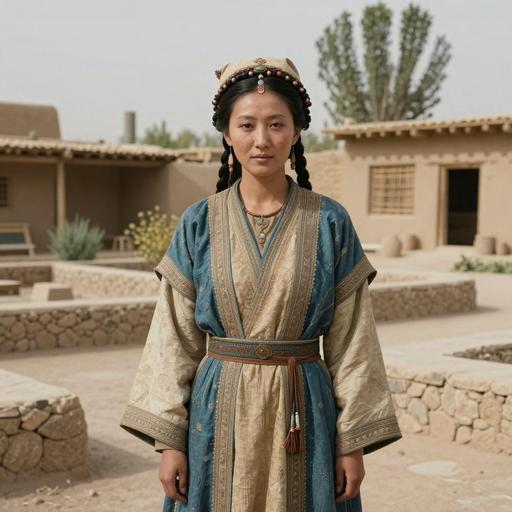
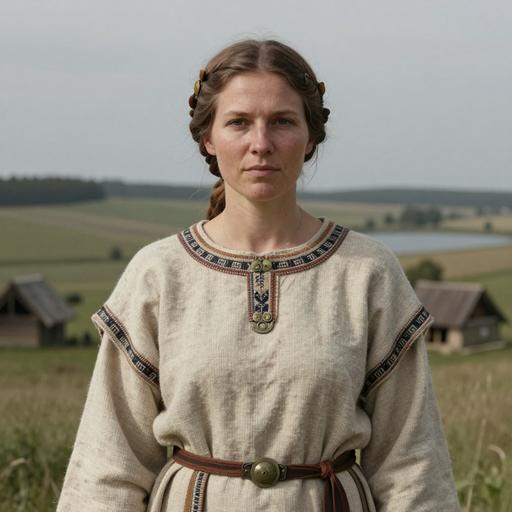
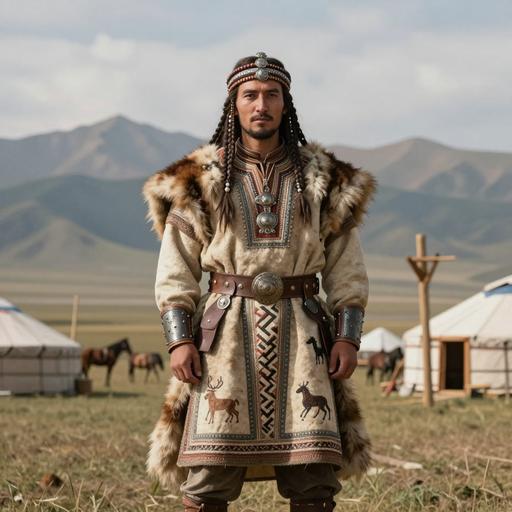
The modern and ancient distribution of U4B1 mirrors that of U4 more generally but at lower frequency. Highest relative incidence is observed in northern and northeastern Europe (Scandinavia, Baltic region, northwest Russia) where U4 lineages were widespread among Mesolithic hunter‑gatherers and persisted at varying frequencies through the Neolithic and later periods. Detectable but lower frequencies appear in parts of Siberia and northern Eurasia, reflecting either ancient eastward dispersals or later gene flow. Sporadic occurrences in Central Asia, the Caucasus and very low incidental detections in South Asia have also been reported in modern population screens.
Historical and Cultural Significance
The presence of U4B1 in Mesolithic and later contexts ties it to the legacy of postglacial hunter‑gatherer populations in northern and eastern Europe. U4 lineages more broadly are often interpreted as markers of indigenous European forager ancestry that persisted alongside incoming Neolithic farmers. U4B1 specifically is not typically a marker of large demic expansions (for example, it is not a signature of Neolithic farming dispersals or the main Bronze Age steppe maternal turnover), but it can appear in Bronze Age and Iron Age assemblages where regional continuity or admixture occurred.
Because U4B1 is relatively rare compared with major Neolithic or Bronze Age maternal lineages, it is most valuable in ancient DNA and population genetics as evidence for local continuity from Mesolithic times and as an indicator of maternal line connections between northern Europe and northern Eurasian regions (including parts of Siberia and Central Asia).
Conclusion
U4B1 is a geographically focused, archaeogenetically informative mtDNA subclade that reflects the persistence and limited spread of a Late Glacial/Early Holocene maternal lineage anchored in northern and eastern Europe. While not a dominant lineage in broad continental population turnovers, its occurrences in ancient and modern datasets provide insight into regional continuity, hunter‑gatherer ancestry, and north–east Eurasian links through the Holocene.
Key Points
- Origins and Evolution
- Subclades (if applicable)
- Geographical Distribution
- Historical and Cultural Significance
- Conclusion