The Story
The journey of mtDNA haplogroup U4B1A
Origins and Evolution
mtDNA haplogroup U4B1A is a subclade nested within U4B1, itself part of the broader mtDNA U4 branch that is strongly associated with Late Glacial and postglacial hunter-gatherer populations of Northern and Eastern Europe. Based on the phylogenetic position of U4B1A beneath U4B1 and the population-genetic patterns of related lineages, U4B1A most likely diversified in the Early Holocene (~12 kya) as displaced and expanding human groups recolonized northern latitudes after the Last Glacial Maximum. Its evolution reflects the persistence and regional differentiation of maternal lineages that were already widespread among European hunter-gatherers during the Mesolithic.
Subclades (if applicable)
U4B1A is itself a terminal or near-terminal subclade under U4B1 in current phylogenies; any further downstream subclades are rare and, where reported, are sparsely sampled in both modern and ancient DNA datasets. Because U4B1A is relatively low frequency, discovery of additional internal structure depends on broader sequencing of under-sampled northern and eastern Eurasian populations and additional ancient genomes.
Geographical Distribution
In modern populations, U4B1A is concentrated in northern and northeastern Europe with lower-frequency occurrences extending into parts of Siberia and Central Asia. This distribution mirrors the known range of other U4 sublineages that originated with European hunter-gatherers and later spread eastward in small numbers. Ancient DNA records show intermittent appearances of U4B1-type lineages in Mesolithic and post-Mesolithic archaeological contexts across the Baltic, Scandinavia, and northwest Russia, with occasional detections further east into northern Eurasia.
Historical and Cultural Significance
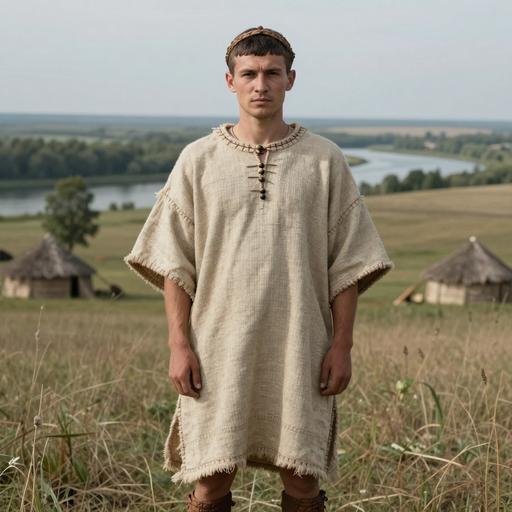
U4B1A should be interpreted primarily as a marker of postglacial hunter-gatherer maternal ancestry in northern Europe. Its presence in archaeological samples helps reconstruct movements and continuity of Mesolithic communities in the Baltic and Fennoscandian regions and can illuminate local continuity versus replacement during the Neolithic and Bronze Age transitions. Unlike some maternal lineages that track the expansion of Near Eastern farmers (e.g., certain H and J subclades), U4B1A is typically associated with indigenous forager groups and their descendants.
Conclusion
mtDNA U4B1A represents a geographically focused, low- to moderate-frequency maternal lineage that arose as part of the post-LGM diversification of European hunter-gatherers. It is most informative when combined with other uniparental markers and autosomal data to reconstruct demographic continuity in Northern and Eastern Europe and the occasional eastward connections into Siberia and Central Asia. Continued high-resolution mtDNA sequencing and ancient DNA sampling in northern Eurasia will refine its phylogeny and historical dynamics.
Key Points
- Origins and Evolution
- Subclades (if applicable)
- Geographical Distribution
- Historical and Cultural Significance
- Conclusion