The Story
The journey of mtDNA haplogroup U4B1B1B1A
Origins and Evolution
mtDNA U4B1B1B1A is a highly derived subclade nested within the broader mtDNA U4 phylogeny. The root haplogroup U4 is an ancient West Eurasian maternal lineage that is prominent in Mesolithic European hunter-gatherers and has been documented across northern Europe and western Siberia. Based on its position as a late-branching descendant of U4b-lineages and the archaeological contexts in which it has been observed, U4B1B1B1A plausibly originated in the Bronze Age (several thousand years ago) in the forest-steppe zone linking Eastern Europe and western Siberia.
Mutations that define such deep terminal subclades typically accumulate over multiple generations within relatively localized populations. The identification of U4B1B1B1A in archaeological samples indicates it persisted long enough to be captured in ancient DNA datasets but remained rare and geographically restricted compared with higher-level U4 branches.
Subclades
U4B1B1B1A itself is a terminal lineage in current phylogenies (documented as U4b-derived). There is limited evidence for further branching beneath this label in published datasets, consistent with its rarity in modern and ancient samples. Its immediate relatives include other U4b subclades (e.g., U4b1 and downstream derivatives) which show varying distributions across northern and eastern Europe and parts of western Siberia.
Geographical Distribution
Although U4 as a whole has a broad northern Eurasian distribution, U4B1B1B1A appears to be geographically restricted and rare. Ancient DNA records place similar U4b-derived lineages in:
- the eastern Baltic and northeastern Europe (hunter-gatherer and later communities),
- the forest-steppe margins of the Pontic-Caspian region, and
- western Siberia and the Volga-Ural corridor where gene flow occurred between Eurasian steppe and northern populations.
Modern occurrences of this exact terminal subclade are extremely uncommon in published population surveys; related U4b subclades survive at low frequencies in modern northern and eastern European populations and in some Siberian groups.
Historical and Cultural Significance
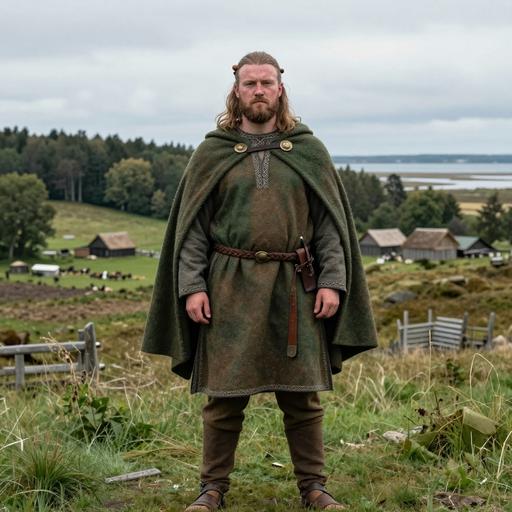
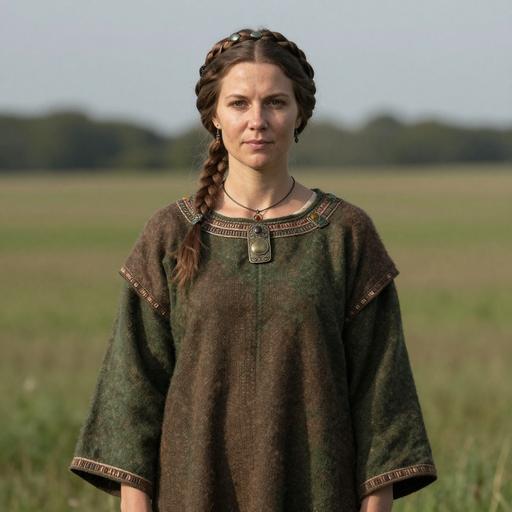
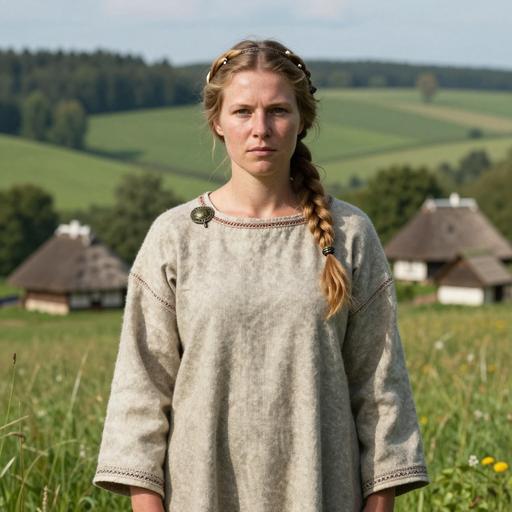
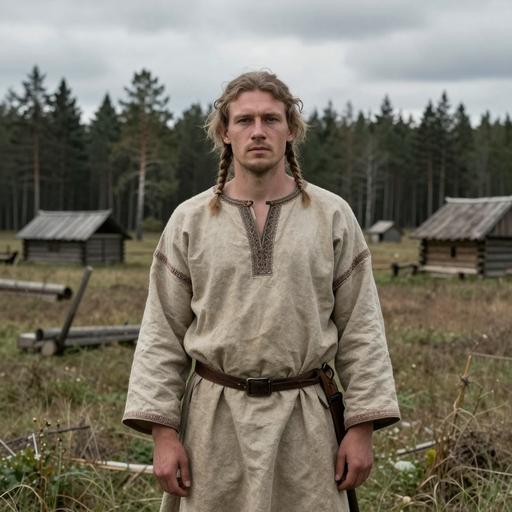
The broader U4 lineage is strongly associated with Pleistocene and Holocene northern Eurasian hunter-gatherers and shows continuity in parts of Scandinavia, the Baltic, and the Russian plain. The appearance of a derived U4b subclade such as U4B1B1B1A in Bronze Age archaeological contexts is consistent with scenarios where maternal lineages of local hunter-gatherer or mixed farmer–forager ancestry persisted into periods of increased mobility, including steppe pastoralist expansions and regional demographic shifts.
Because U4 lineages frequently co-occur with other hunter-gatherer markers (for example U5) and later with farmer-associated lineages (e.g., H) in admixed individuals, U4B1B1B1A likely reflects local maternal continuity or integration of local women into migrating or mobile Bronze Age communities rather than being a signature of large-scale demographic replacement by itself.
Conclusion
U4B1B1B1A is a rare, late-branching mtDNA lineage deriving from the ancient U4 family. Its detection in a small number of archaeological samples suggests a regional, low-frequency persistence in the forest-steppe and northern Eurasian zone during the later Holocene. As ancient DNA sampling expands in eastern Europe and western Siberia, additional occurrences may clarify its precise geographic range, temporal depth, and relationship to archaeological cultures linked to the Bronze Age steppe and northern forager traditions.
Key Points
- Origins and Evolution
- Subclades
- Geographical Distribution
- Historical and Cultural Significance
- Conclusion