The Story
The journey of mtDNA haplogroup U4B1B2
Origins and Evolution
mtDNA haplogroup U4B1B2 is a downstream subclade within the U4 phylogeny, itself a branch of haplogroup U, one of the principal Western Eurasian maternal lineages. Based on the position of U4B1B2 under U4B1B and the estimated ages of related subclades, U4B1B2 most plausibly arose in Northern or Northeastern Europe during the Late Glacial to Early Holocene (roughly ~11 kya), a period when expanding postglacial hunter-gatherer populations repopulated formerly glaciated areas of Fennoscandia and the eastern Baltic.
This lineage is characterized by a limited number of private mutations that define it as a distinct tip clade within the U4B1B cluster. Like other U4 sublineages, its demographic history reflects small-scale persistence in high-latitude and forest-steppe environments rather than the large demic expansions associated with early farmers.
Subclades
U4B1B2 sits beneath U4B1B in the phylogeny. At present it is best described as a terminal (or near-terminal) subclade with few well-sampled internal branches, consistent with its low modern frequency and sparse representation in ancient DNA. Continued sequencing of mitogenomes from northern Eurasian archaeological sites and modern populations may reveal internal structure or closely related sister subclades within the broader U4B1B grouping.
Geographical Distribution
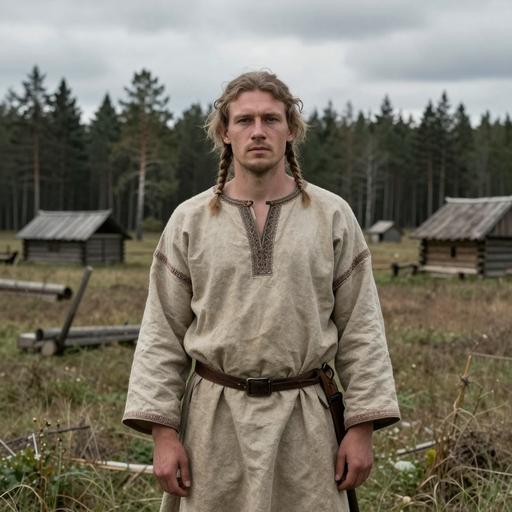
The modern and ancient occurrences of U4B1B2 are geographically concentrated in northern and eastern Europe, with occasional low-frequency findings further east into Siberia and Central Asia. Published and database ancient DNA hits (six recorded occurrences in the user's dataset) show the lineage in archaeological contexts that align with Mesolithic–Neolithic transition zones and later local populations in the Baltic, Fennoscandia, and adjacent Russian territories.
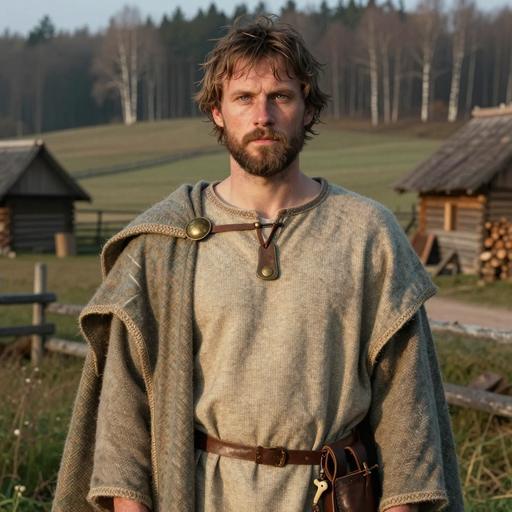
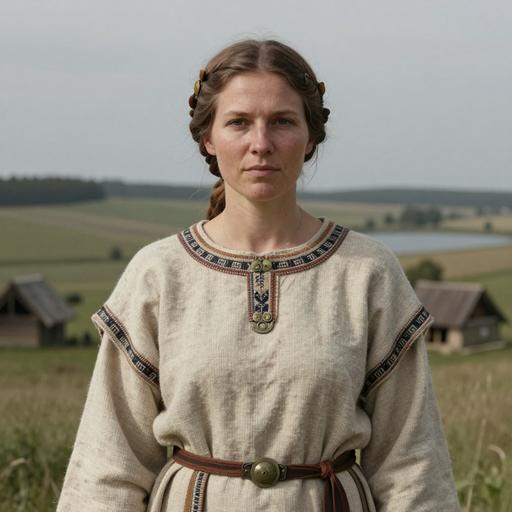
- Northern/Eastern Europe: Highest density of detections, including Scandinavia, the Baltic region and northwest Russia.
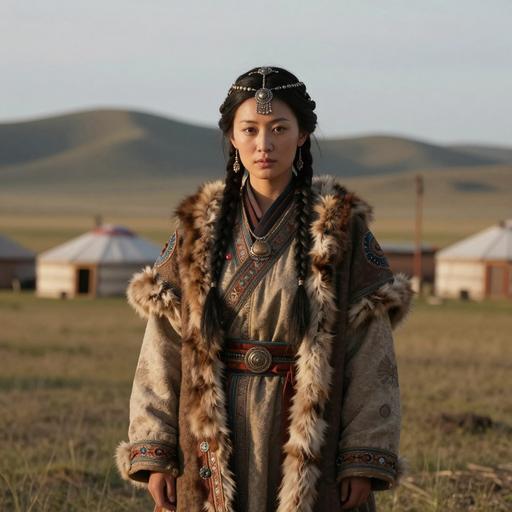
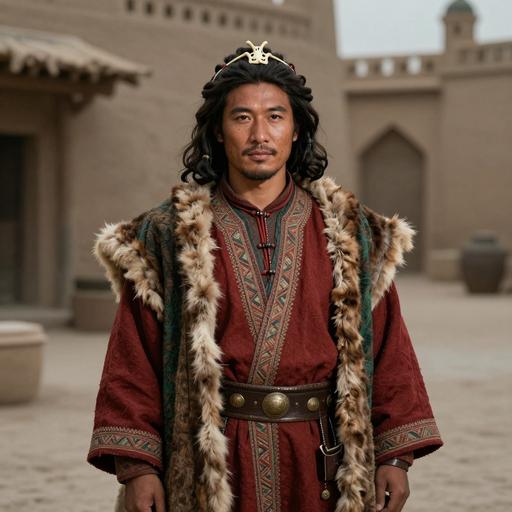
- Siberia and northern Eurasia: Low-frequency occurrences consistent with gene flow and long-distance hunter-gatherer links across northern Eurasia.
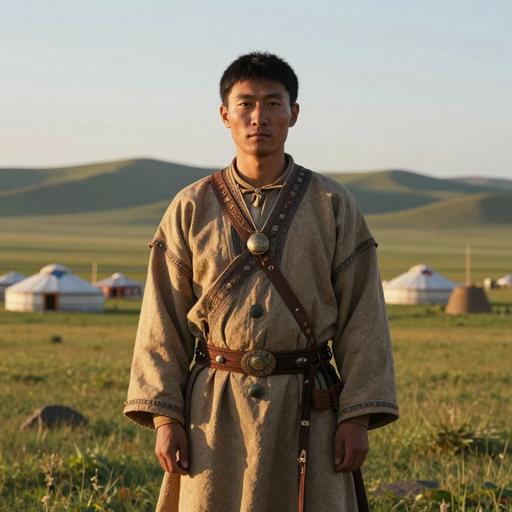
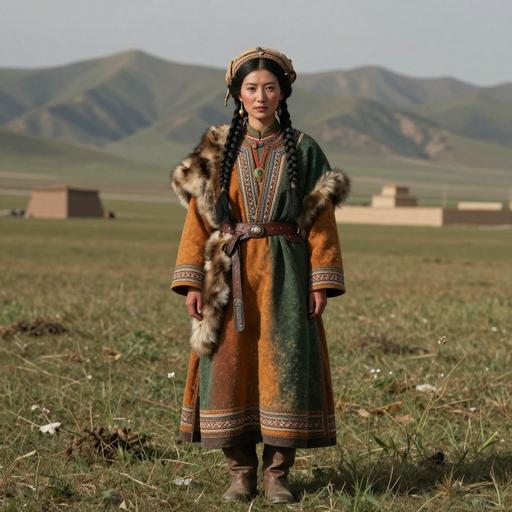
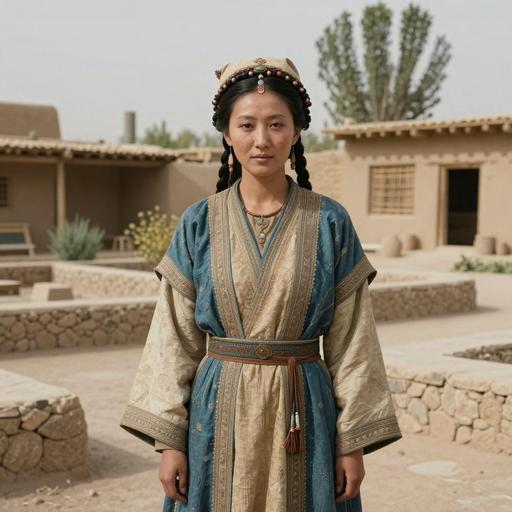
- Central Asia and Caucasus: Sporadic, low-frequency presence likely resulting from later admixture or small-scale migration.
- South Asia: Very rare/incidentally observed in single modern samples, likely reflecting historical long-range movement or recent admixture.
Historical and Cultural Significance
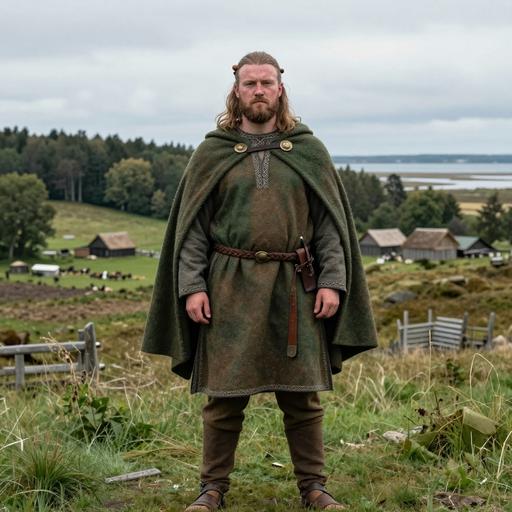
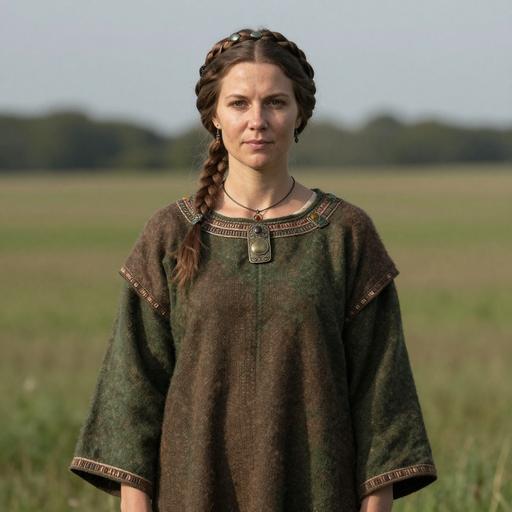
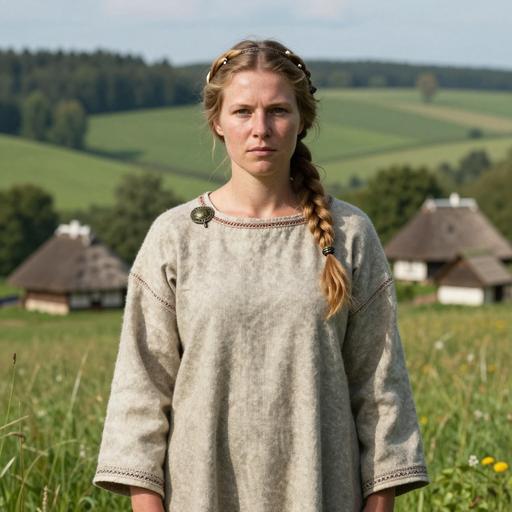
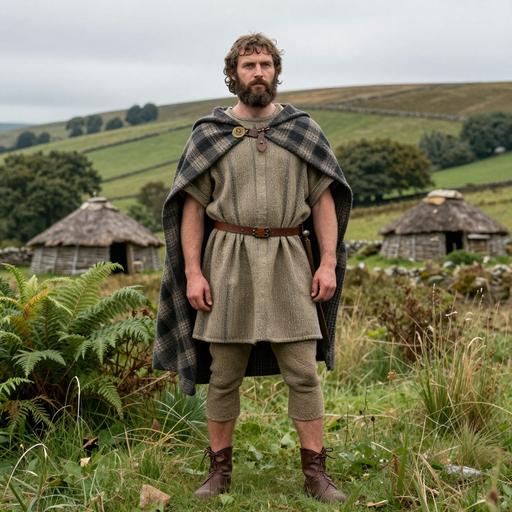
Because U4-derived lineages are strongly associated with pre-Neolithic hunter-gatherer populations in northern and eastern Europe, U4B1B2 is best interpreted as a marker of localized postglacial maternal continuity rather than of major Neolithic farmer expansions. Its persistence into later archaeological horizons suggests integration of hunter-gatherer maternal lineages into Neolithic and Bronze Age societies in the Baltic–Fennoscandian region.
Archaeological cultures and contexts where U4 and closely related subclades have been observed include Mesolithic coastal and inland hunter-gatherer groups (e.g., Kunda/Comb Ware related contexts), and later Bronze Age and Copper Age individuals in eastern Baltic and northwestern Russian assemblages. In many cases U4 lineages appear alongside Y-DNA lineages typical of indigenous European hunter-gatherers (e.g., I2) and later with steppe-associated Y lineages (R1a/R1b) as admixture reshaped northern Eurasian populations.
Conclusion
U4B1B2 is a rare, regionally-focused mtDNA lineage reflecting postglacial hunter-gatherer maternal ancestry in Northern and Eastern Europe. Its limited modern and ancient occurrences make it an informative marker for studies of high-latitude demographic persistence, local admixture processes during the Neolithic and Bronze Age, and long-range contacts into Siberia and Central Asia. Further mitogenome sampling, especially from undersampled archaeological contexts in northern Eurasia, will clarify its internal structure and finer-scale history.
Key Points
- Origins and Evolution
- Subclades
- Geographical Distribution
- Historical and Cultural Significance
- Conclusion