The Story
The journey of mtDNA haplogroup U5A2B
Origins and Evolution
mtDNA haplogroup U5A2B is a downstream branch of U5A2, itself a lineage that traces to the Late Upper Paleolithic and Mesolithic populations of Europe. Given the phylogenetic position of U5A2B beneath U5A2 (which has been dated near ~18 kya) and the pattern of diversification for many U5 subclades, U5A2B most likely emerged during the Late Glacial to early Mesolithic period (roughly 13 kya, with uncertainty depending on molecular clock calibration). Like other U5a lineages, U5A2B is best interpreted as part of the European hunter-gatherer maternal substrate that expanded and re-established local populations after the Last Glacial Maximum.
Molecular-clock dating for mtDNA has uncertainties (mutation rate choice, calibration points, and sampling), so the estimated time should be understood as approximate. Ancient DNA (aDNA) recovery and improved sampling can refine the age and internal structure of U5A2B.
Subclades (if applicable)
U5A2B is defined by a distinct set of control-region and coding-region mutations relative to U5A2. Where sample density permits, U5A2B may further divide into minor sublineages (for example, U5A2B1 or similar labels in some trees), but these internal branches are typically rare and geographically localized in published datasets. In many population panels U5A2B appears as a low-frequency, widely dispersed branch rather than as a dominant multi-branch clade, reflecting a pattern of deep antiquity with limited later diversification compared with some other maternal haplogroups.
Geographical Distribution
U5A2B is primarily a northern and eastern European lineage. Modern and ancient occurrences concentrate in:
- Fennoscandia and Scandinavia (including Finland) where U5a lineages generally have higher retention.
- Baltic and northwestern Russian populations where Mesolithic continuity is strong.
- The Saami and other northern groups, where U5a subclades are overrepresented compared to southern Europe.
U5A2B is also observed at lower frequencies across Western and Central Europe and in isolated instances in the Caucasus, North Africa, and Central Asia — these peripheral occurrences most likely reflect later migrations, gene flow, or isolated founder events rather than primary centers of origin.
Historical and Cultural Significance
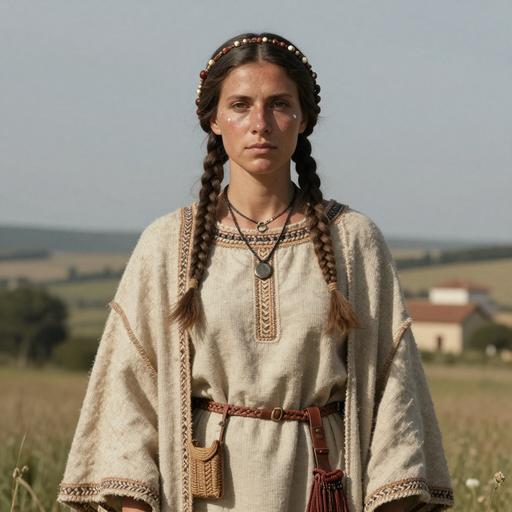
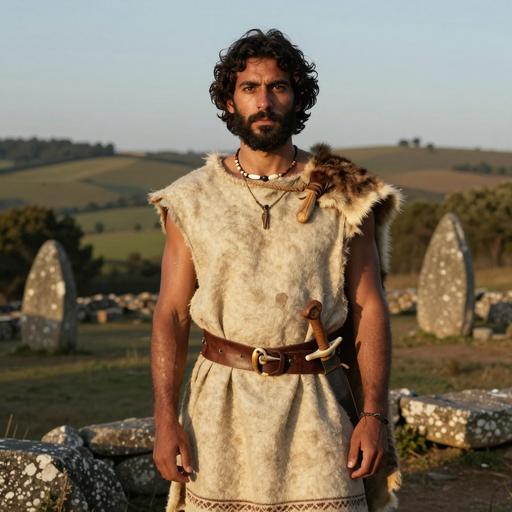
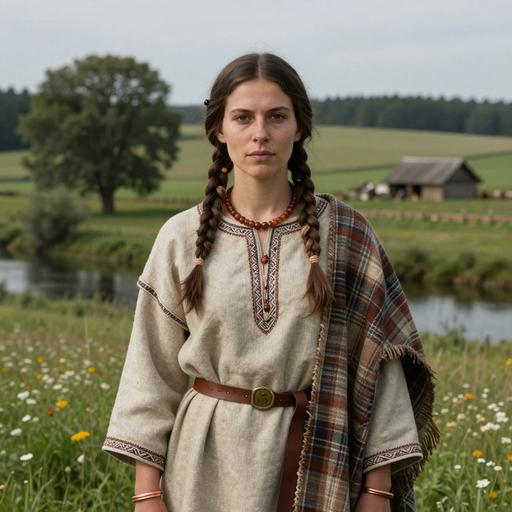
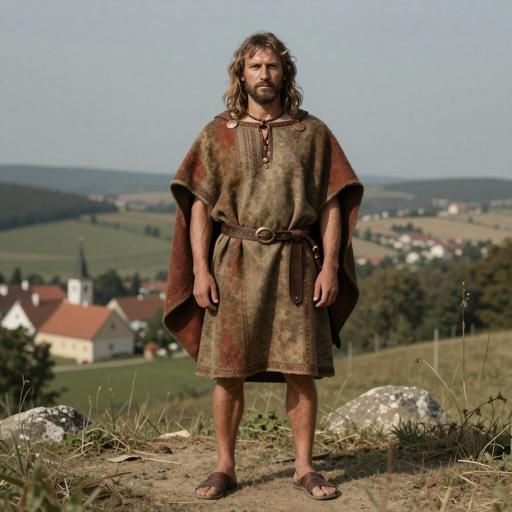
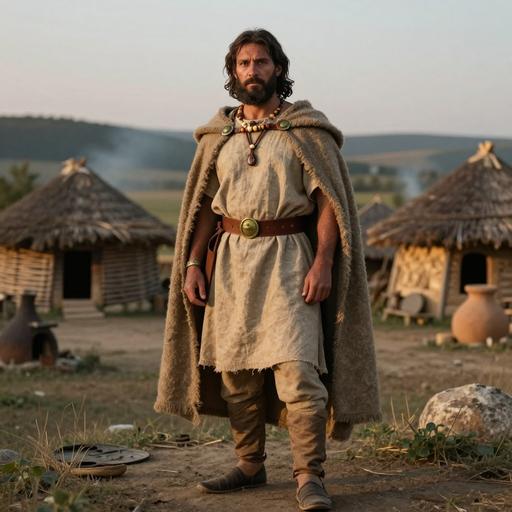
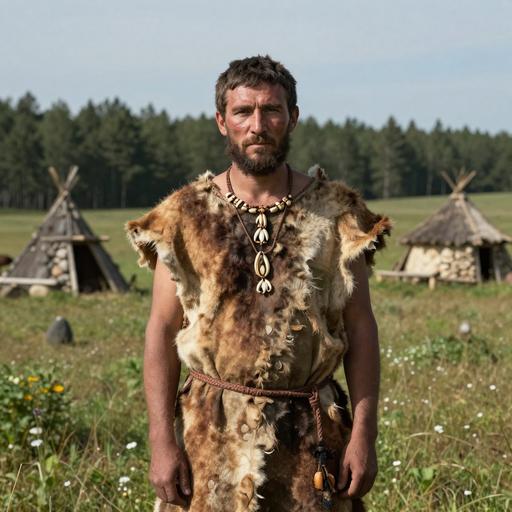
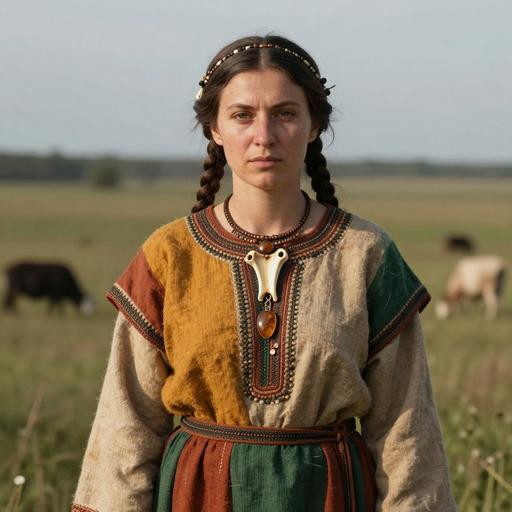
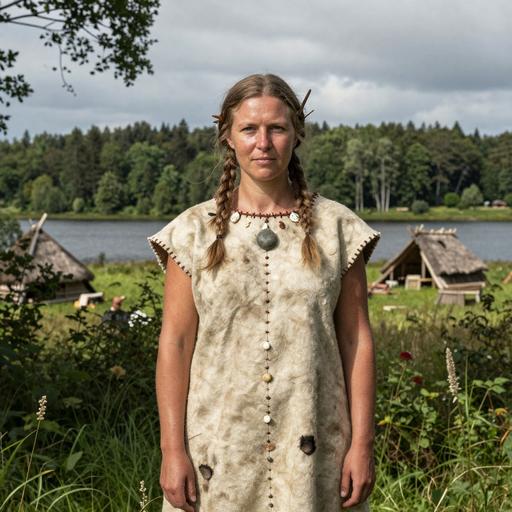
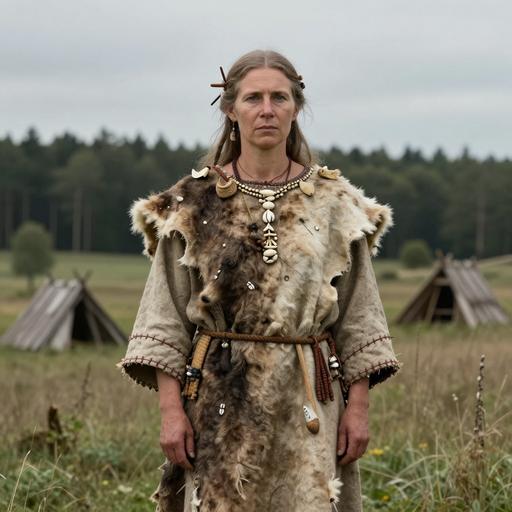
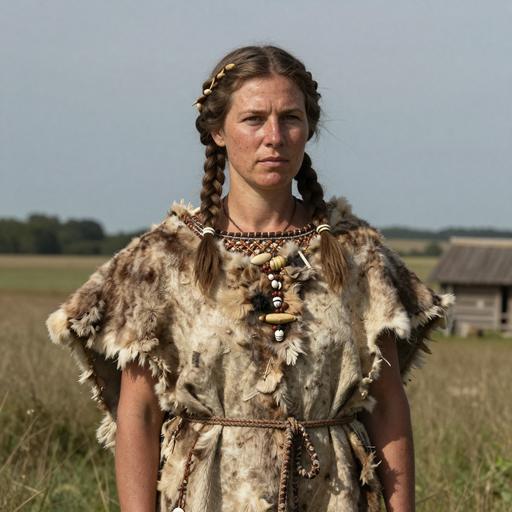
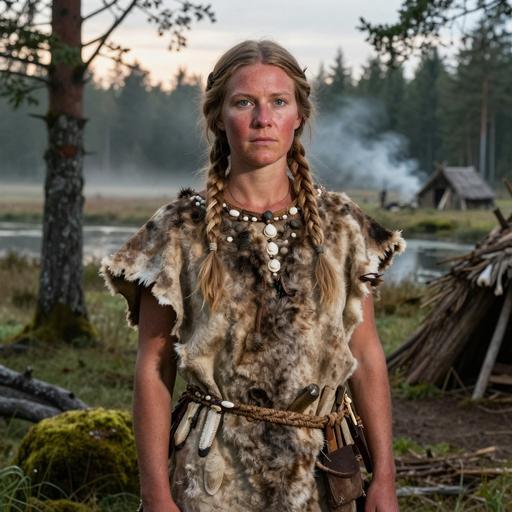
U5A2B should be viewed in the context of European Mesolithic hunter-gatherer ancestry. Lineages of U5 (including U5a and its derivatives) are repeatedly recovered in Mesolithic archaeological contexts across northern and eastern Europe, and they serve as molecular markers for pre-Neolithic resident maternal ancestry. The persistence of U5A2B into later periods indicates continuity of maternal lines in some regions despite Neolithic farmer expansions and later Bronze Age movements.
In modern populations, the continued presence of U5A2B (and related U5a lineages) in groups such as the Saami provides an important genetic signal corroborating archaeological and linguistic evidence for long-term northern population continuity and localized demographic processes.
Conclusion
U5A2B is a geographically northern/eastern European mtDNA branch that reflects deep Mesolithic maternal ancestry and localized continuity through subsequent cultural transitions. While not widespread at high frequency, its pattern of occurrence in ancient and modern datasets makes it a valuable marker for tracing postglacial recolonization and the survival of hunter-gatherer maternal lineages in northern Europe. Continued aDNA sampling and complete mitogenome sequencing will clarify finer internal structure and refine its time depth and dispersal history.
Key Points
- Origins and Evolution
- Subclades (if applicable)
- Geographical Distribution
- Historical and Cultural Significance
- Conclusion