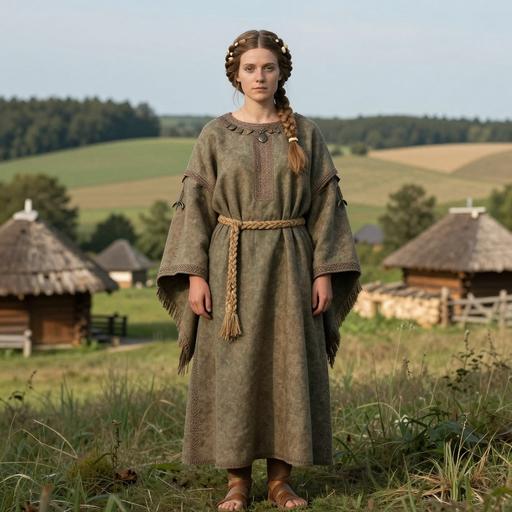
The Story
The journey of mtDNA haplogroup U5B1B1G1
Origins and Evolution
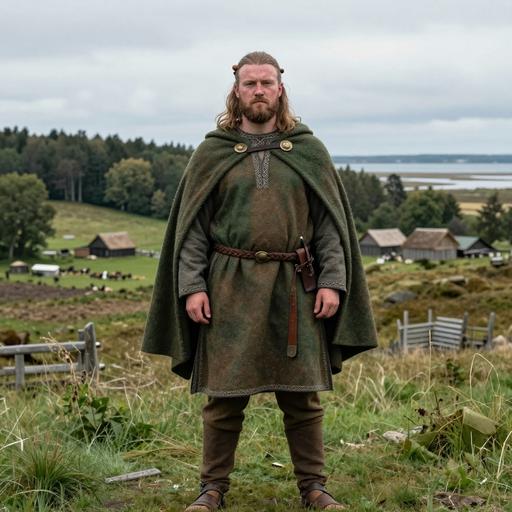
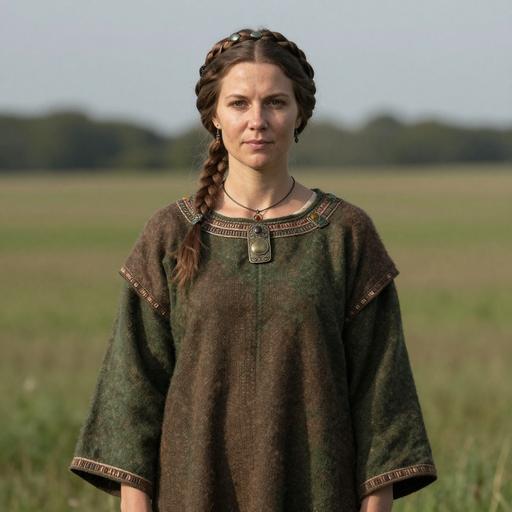
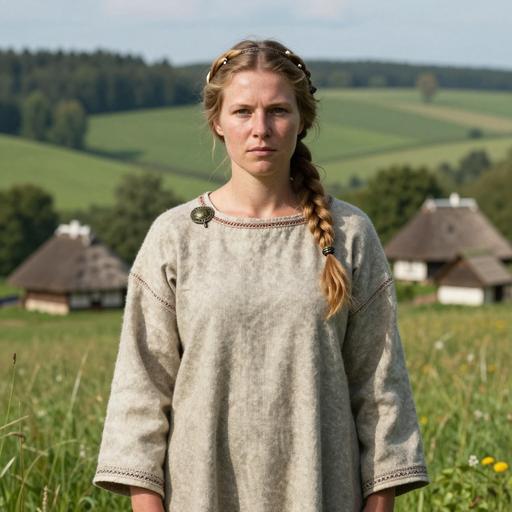
U5B1B1G1 is a downstream branch of the broader European haplogroup U5, a lineage that traces to European Mesolithic hunter-gatherers. The immediate parent clade, U5B1B1G, appears to have differentiated in northern or central Europe during the Bronze-to-Iron Age transition. Based on its phylogenetic position and population occurrences, U5B1B1G1 likely arose later as a localized differentiation within northern Scandinavia roughly 2,500 years ago (Late Bronze / Iron Age timeframe). Like many U5 subclades, U5B1B1G1 represents deep Mesolithic maternal ancestry that persisted through multiple cultural turnovers and was subject to local drift and demographic reshaping.
Subclades (if applicable)
At present U5B1B1G1 is treated as a relatively terminal and rare subclade of U5B1B1G; there are few well-documented downstream branches in published datasets, and many occurrences are characterized by private mutations specific to individual lineages or families. Because of its rarity, high-resolution mitochondrial sequencing of additional samples would be needed to resolve any further internal substructure reliably.
Geographical Distribution
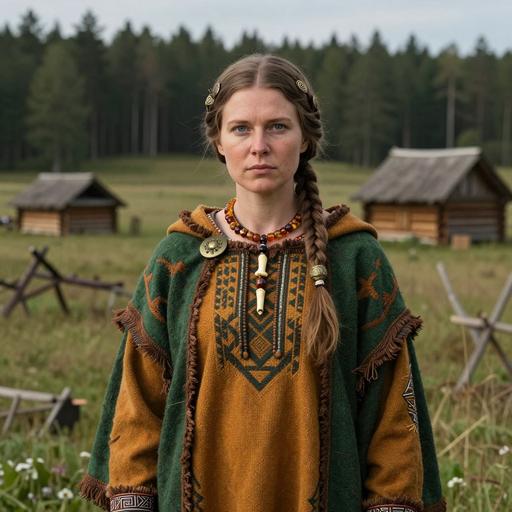
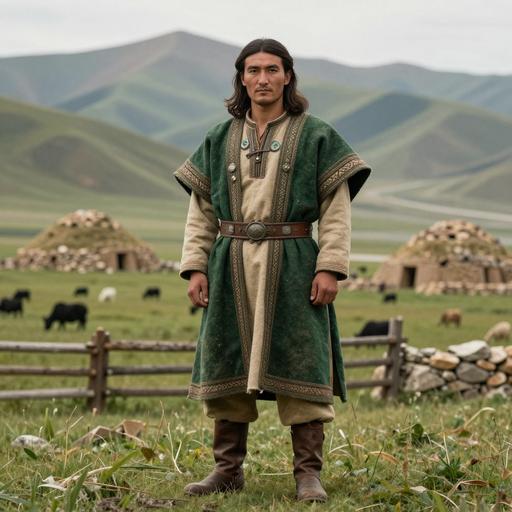
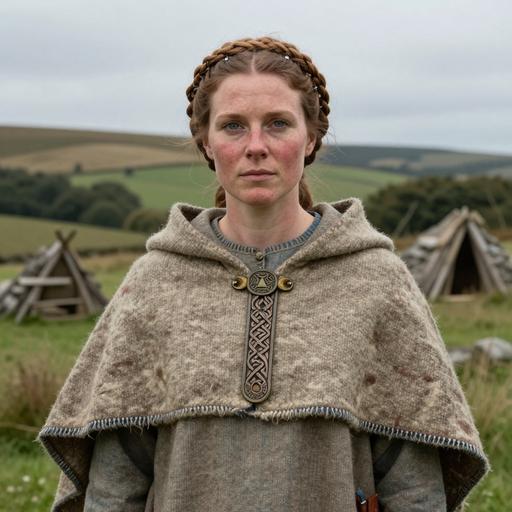
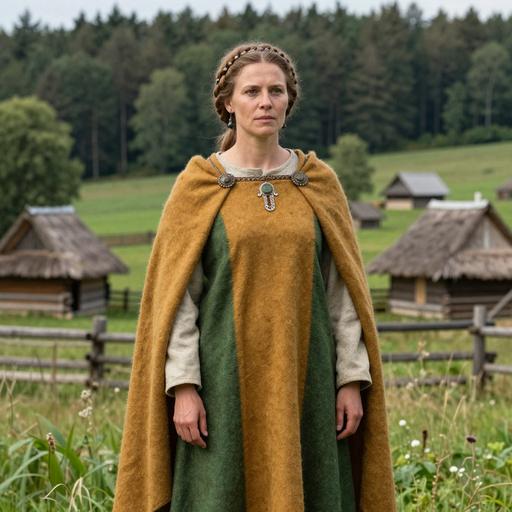
The highest frequencies of U5B1B1G1 are observed in northern Fennoscandia, especially among the Sámi and neighboring Scandinavian populations. Occasional occurrences or low-frequency detections have been reported elsewhere in Europe (British Isles, Iberian Peninsula, Central and Eastern Europe) and at very low frequency in adjacent regions such as North Africa and the Caucasus. This distribution pattern is consistent with a northern origin and later, limited dispersal or gene flow into surrounding regions, combined with genetic drift and founder effects in isolated northern communities.
Historical and Cultural Significance
Haplogroup U5B1B1G1 carries significance as a marker of long-term maternal continuity in northern Europe. Its presence among the Sámi and other northern Scandinavian groups highlights the survival of Mesolithic-derived maternal lineages through the Neolithic, Bronze Age, and into historical periods. While major migrations (e.g., Neolithic farmers, Bronze Age steppe movements, and later Iron Age cultural shifts) reshaped northern European autosomal and paternal landscapes, lineages like U5B1B1G1 document continuity on the maternal side and can help trace local demographic events such as isolation, founder effects, and small-scale female-mediated gene flow.
Archaeologically, the clade is best interpreted as reflecting local continuity rather than a signature of a single pan-regional archaeological culture; however, its timing of differentiation overlaps the Late Bronze Age and Iron Age periods in northern Europe and therefore will often be discussed in the context of the Nordic Bronze Age and subsequent Iron Age population histories.
Conclusion
U5B1B1G1 is a rare, geographically biased mtDNA lineage that provides a window onto persistent maternal ancestry in northern Scandinavia and the Sámi. It exemplifies how Mesolithic-derived mitochondrial diversity was retained and locally restructured through later prehistoric and historic processes. Because it is uncommon and often represented by private variants, broader sampling and full mitochondrial genomes from northern and adjacent populations would clarify its internal structure, age, and patterns of dispersal.
Key Points
- Origins and Evolution
- Subclades (if applicable)
- Geographical Distribution
- Historical and Cultural Significance
- Conclusion