The Story
The journey of mtDNA haplogroup U5B1B
Origins and Evolution
Haplogroup U5B1B is a downstream branch of U5B1, itself part of the deeper European maternal clade U5. U5 traces to Paleolithic hunter-gatherer populations in Europe, while U5B1 formed during the postglacial period as groups expanded northward from southern European refugia. U5B1B likely arose after the initial U5B1 diversification during the mid- to late-Holocene (several thousand years after the Last Glacial Maximum), reflecting regional differentiation in northern and north-central Europe. Its time depth and phylogenetic placement indicate continuity from Mesolithic maternal lineages combined with later regional drift and founder effects.
Subclades
As a subclade of U5B1, U5B1B may itself carry further internal variation (sub-subclades identified in high-resolution mtDNA sequencing), some of which are concentrated in specific populations such as the Saami. Where available, higher-resolution sequencing often reveals geographic substructure—distinct branches of U5B1B endemic to northern Fennoscandia versus branches found sporadically across western and central Europe—consistent with localized founder events and demographic bottlenecks.
Geographical Distribution
U5B1B is most consistently observed in Northern Europe, with elevated representation among Saami and other Scandinavian groups. It also occurs at lower to moderate frequencies in the British Isles, parts of the Iberian Peninsula, and central/eastern Europe. Rare occurrences have been documented in adjacent regions such as North Africa and the Caucasus, likely reflecting ancient gene flow, later migrations, or low-frequency sharing of maternal lineages.
Modern and ancient DNA studies show U5-derived lineages (including U5B subclades) in Mesolithic contexts across Europe and in later Neolithic and Bronze Age samples, illustrating long-term persistence rather than a single recent introduction. In many cases the spatial pattern for U5B1B suggests continuity in northern pockets (Fennoscandia, British Isles) and sporadic presence elsewhere due to migration and admixture.
Historical and Cultural Significance
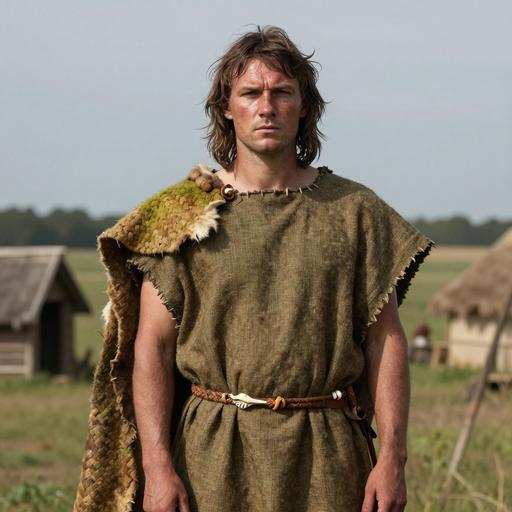
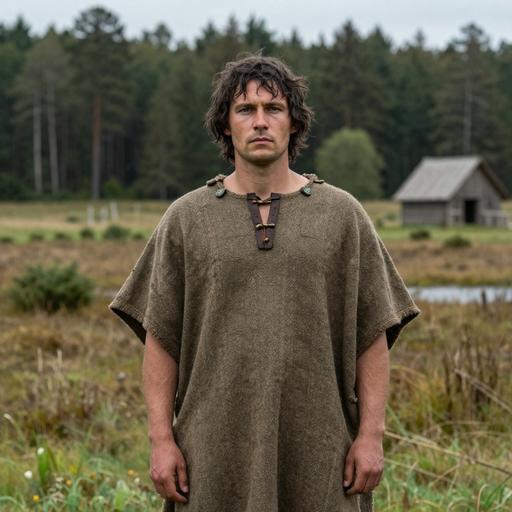
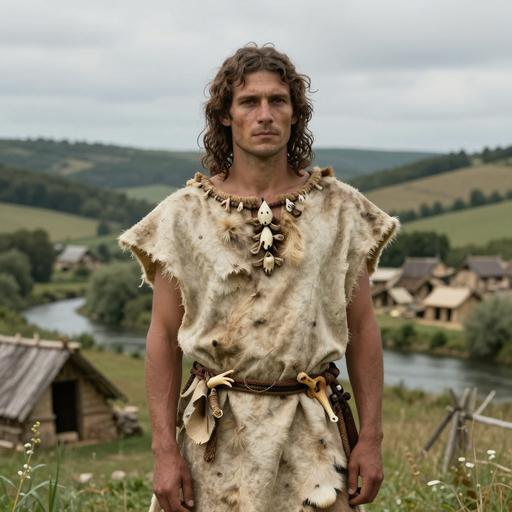
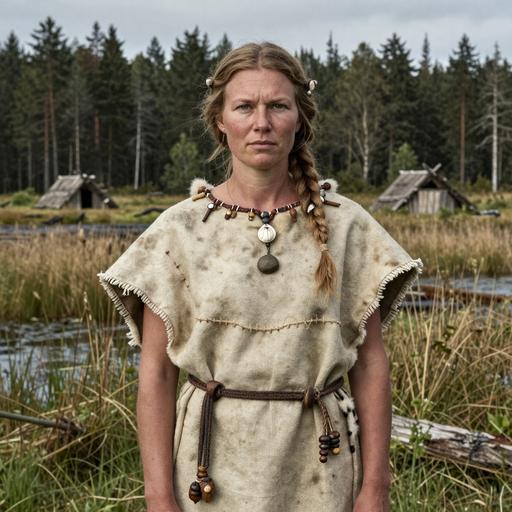
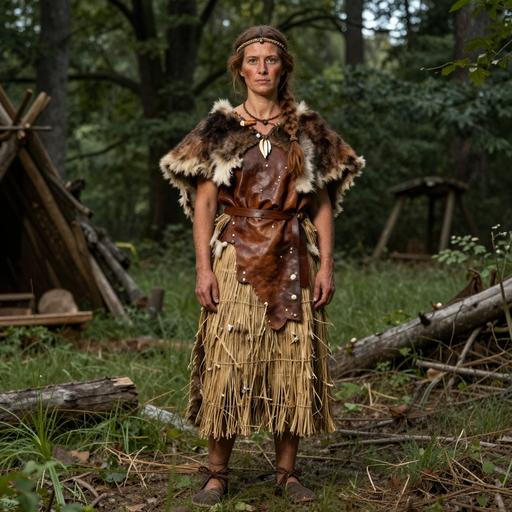
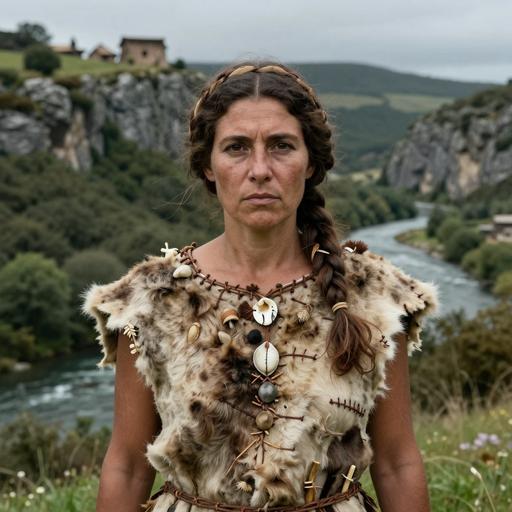
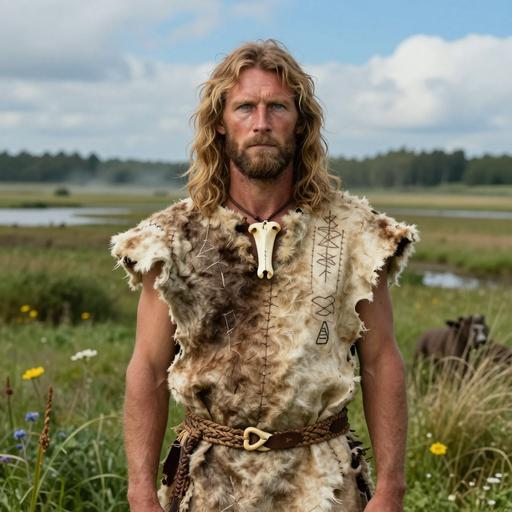
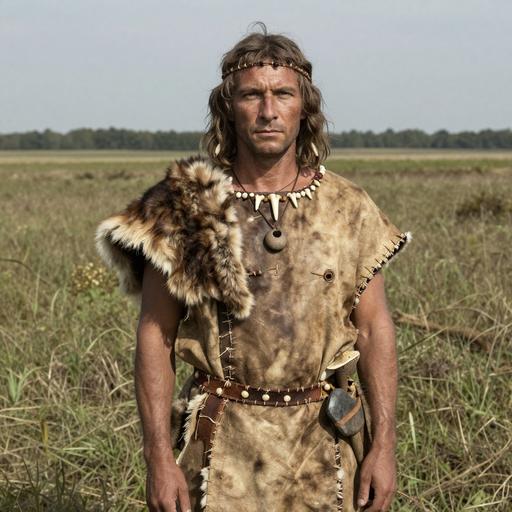
Because U5 and its subclades are strongly associated with pre-agricultural hunter-gatherers in Europe, U5B1B is interpreted as part of the maternal legacy of postglacial recolonization and regional continuity. Its prominence in Saami and northern Scandinavian contexts has made it a marker of interest for studies of Arctic and sub-Arctic population history, including the peopling of Fennoscandia and later cultural interactions with incoming agricultural and pastoral groups.
U5B1B's presence in archaeological and modern samples across a wide temporal range means it contributes to reconstructions of demographic processes such as founder effects, drift in small northern populations, and the layering of Mesolithic maternal ancestry with later Neolithic and Bronze Age gene flow.
Conclusion
U5B1B exemplifies how deep maternal lineages persisted and differentiated in Europe after the Last Glacial Maximum: rooted in Mesolithic hunter-gatherer ancestry, concentrated in northern Europe (notably among the Saami), and detectable at low to moderate frequencies across western and central Europe. High-resolution mitochondrial sequencing and ancient DNA continue to clarify its internal structure and localized histories, reinforcing its role as a marker of long-term maternal continuity in parts of Europe.
Key Points
- Origins and Evolution
- Subclades
- Geographical Distribution
- Historical and Cultural Significance
- Conclusion