The Story
The journey of mtDNA haplogroup U5B1C2
Origins and Evolution
U5B1C2 is a subclade of mtDNA haplogroup U5B1C, itself a branch of the broader European hunter-gatherer lineage U5. U5 lineages trace back to Paleolithic and post-glacial expansions in Europe, and U5B1C has been interpreted as reflecting long-term maternal continuity in northern Europe. U5B1C2 likely split from U5B1C during the later Neolithic to Bronze Age period (roughly ~4 kya) as a localized northern European sub-branch, though its deeper ancestry ultimately connects to Mesolithic U5 diversity that colonized and re-expanded across Europe after the Last Glacial Maximum.
Subclades (if applicable)
As a defined subclade, U5B1C2 presently shows limited internal diversification in published datasets and appears to be a relatively terminal branch compared with older U5 subclades. Small local sub-branches (e.g., labeled U5B1C2a/b in some datasets) can occur in high-resolution mitogenome surveys, but published sampling indicates only modest diversification, consistent with a geographically restricted or demographically small maternal lineage that persisted in northern populations.
Geographical Distribution
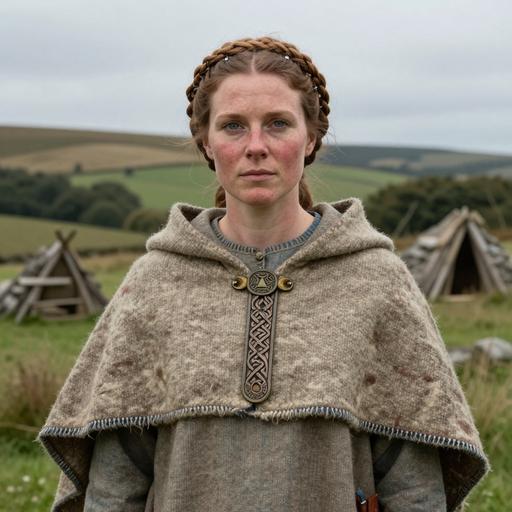
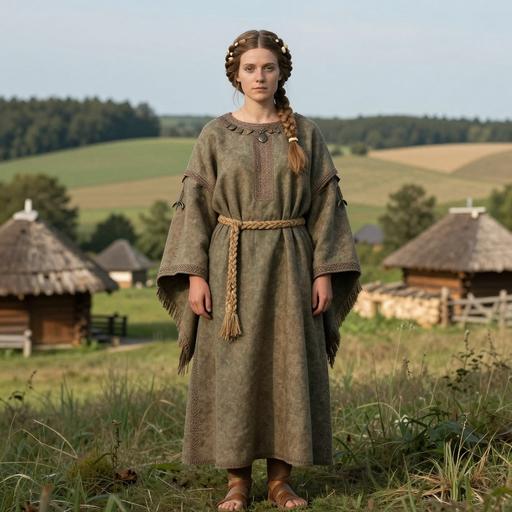
U5B1C2 is most frequent and best-documented in Northern Europe, notably in Scandinavia and among populations with historic continuity in northern Fennoscandia. It has measurable presence—typically at low to moderate frequencies—in parts of Western and Central Europe (British Isles, Germany, Poland, Baltic region) and is detected at low frequency in southern fringe areas such as the Iberian Peninsula and, sporadically, in North Africa and the Caucasus. The geographic pattern is consistent with a northern European origin followed by limited diffusion into neighboring regions through historic and prehistoric contacts.
Historical and Cultural Significance
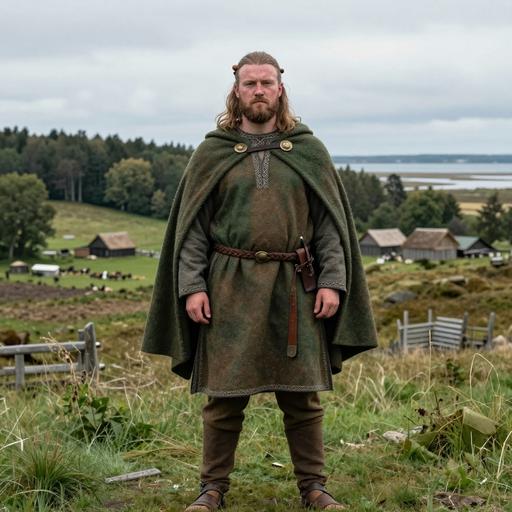
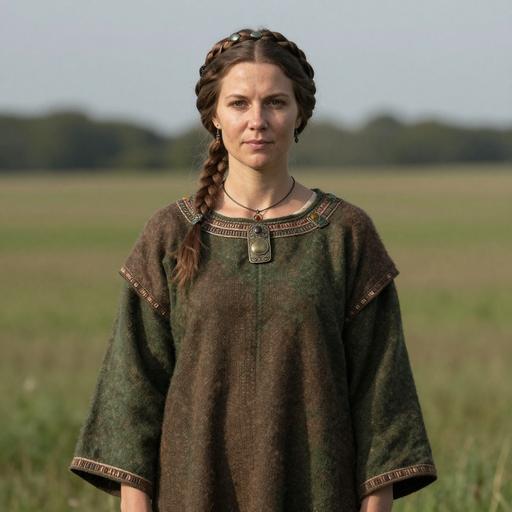
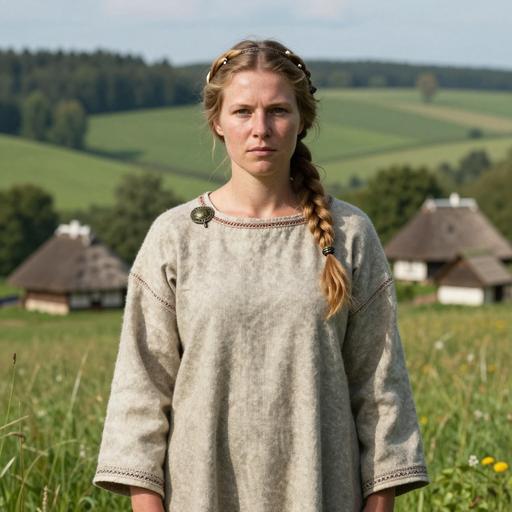
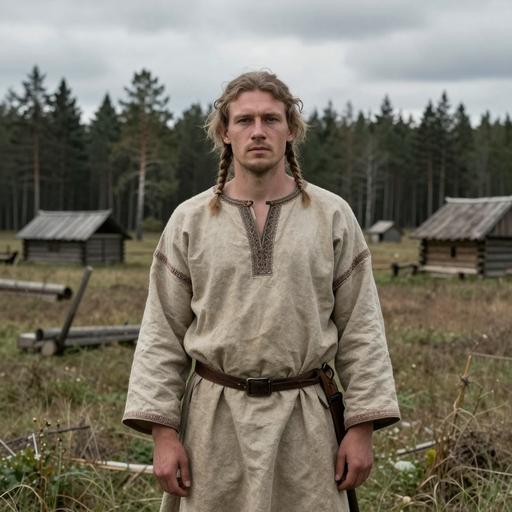
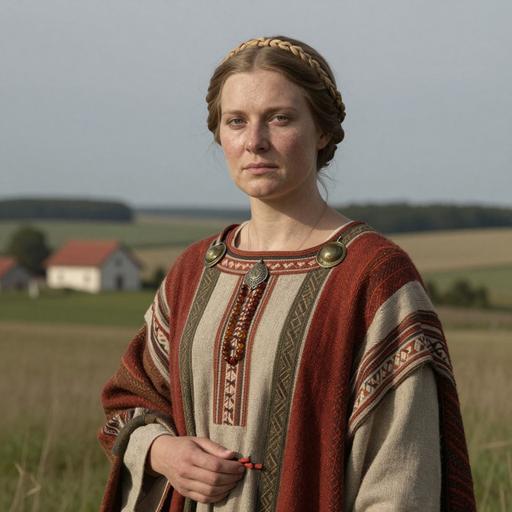
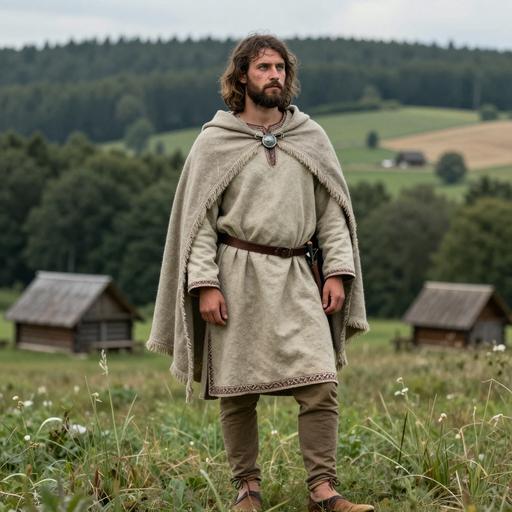
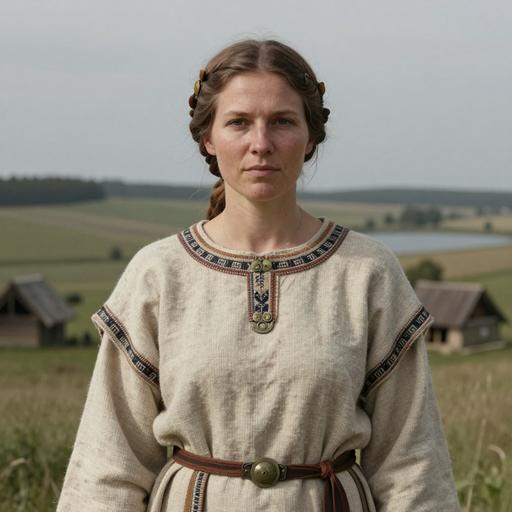
Although the deeper U5 lineage is firmly associated with Mesolithic hunter-gatherers who recolonized Europe after the ice sheets retreated, U5B1C2 itself likely became distinctive later. Its estimated time depth (~4 kya) places its origin in the Bronze Age era of northern Europe, overlapping with cultural horizons such as the late Neolithic/Bronze Age transition and regional Bronze Age expansions. The lineage may reflect continuity of local maternal ancestry through cultural transitions (e.g., local adoption of farming or incoming steppe-related influences) rather than representing a major demographic replacement. In modern populations, U5B1C2 contributes to maternal genetic signatures associated with Scandinavian and some Atlantic European populations; its presence in Saami and other northern groups speaks to long-term maternal continuity in high-latitude Europe.
Conclusion
U5B1C2 is a geographically focused, post-glacial derivative of the U5 family that illustrates how deep Mesolithic maternal roots persisted and later branched in northern Europe. While not a high-frequency lineage broadly across Europe, its consistent detection in Scandinavia and adjacent regions makes it a useful marker for studies of northern maternal continuity, local demographic history, and the interplay between Mesolithic ancestry and later prehistoric cultural dynamics.
Key Points
- Origins and Evolution
- Subclades (if applicable)
- Geographical Distribution
- Historical and Cultural Significance
- Conclusion