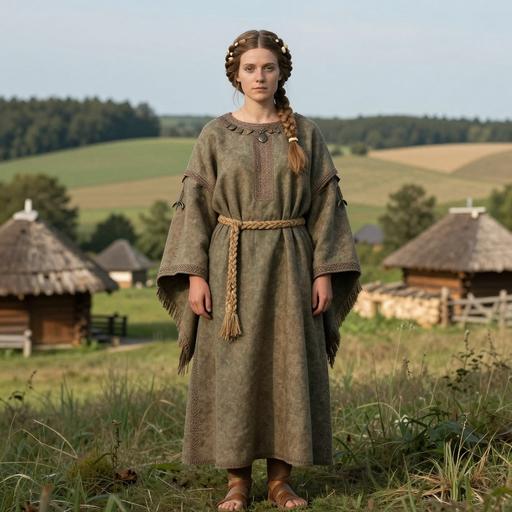
The Story
The journey of mtDNA haplogroup U5B1C2A
Origins and Evolution
mtDNA haplogroup U5B1C2A is a downstream subclade of U5B1C2, itself a branch of the broader U5 lineage that is one of the oldest and most characteristic maternal lineages of European hunter-gatherers. While the deeper U5 roots trace back to the Upper Paleolithic and the post-glacial recolonization of Europe, U5B1C2 arose much later; its subclade U5B1C2A likely diversified locally in Northern or Central Europe after the main post-glacial expansions, during the later Bronze Age to early Iron Age timeframe (on the order of ~3 kya). This relative recency means U5B1C2A records a phase of regional differentiation and local founder effects rather than the Paleolithic demographic events associated with basal U5 lineages.
Subclades
As a variant labeled U5B1C2A, this lineage is defined by private or derived mutations downstream of U5B1C2. Published mtDNA trees and population surveys frequently show U5B1C2 and its sublineages as low-to-moderate frequency, with U5B1C2A representing a geographically focused offshoot within that cluster. Because U5B1C2A is a fine-scale terminal clade, its further substructure (if present) tends to be rare and often detectable only with full mitogenome sequencing; many reported matches derive from control-region or partial sequences that group within the U5B1C2 complex.
Geographical Distribution
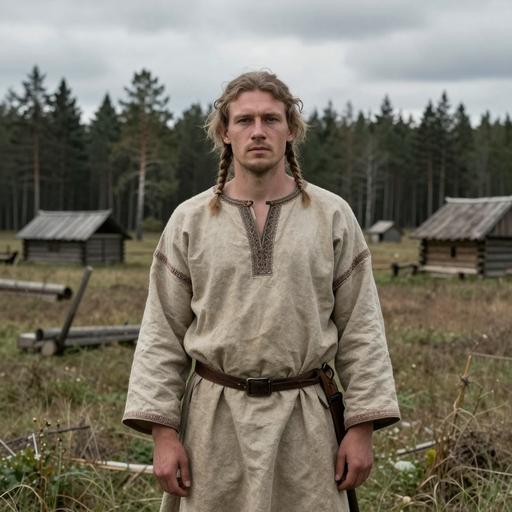
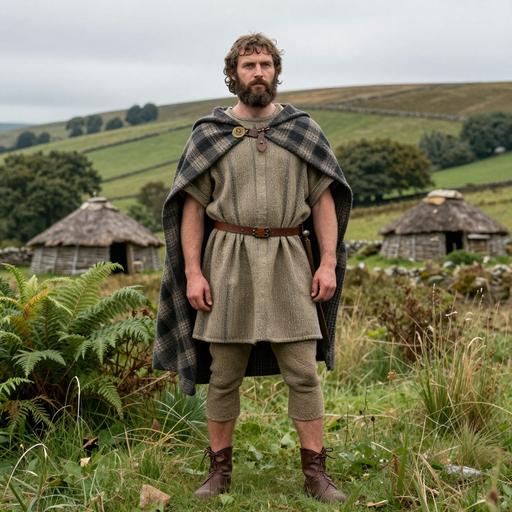
The modern and ancient occurrences of U5B1C2A are concentrated in northern Europe, with the strongest signals in Scandinavia and among Sámi (Sápmi) populations. It also appears at low-to-moderate frequencies in the British Isles, parts of Iberia, and Central/Eastern Europe, consistent with historic mobility and later regional gene flow. Very low-frequency occurrences reported in the literature from North Africa and the Caucasus are likely the result of historical contacts, drift, or limited sampling of rare lineages rather than representing a primary center of diversity.
Historical and Cultural Significance
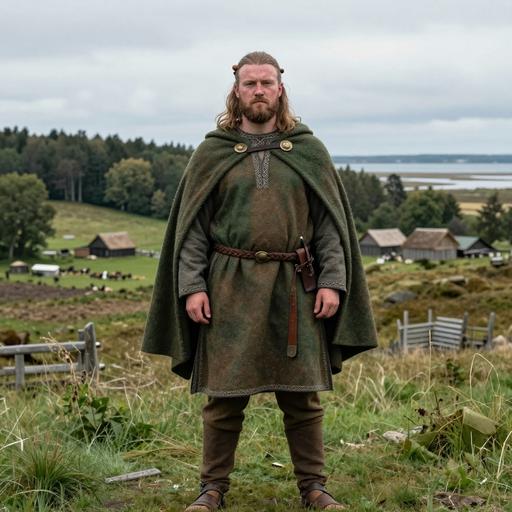
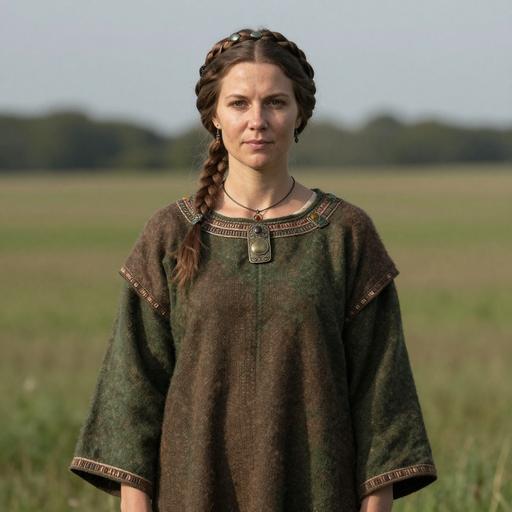
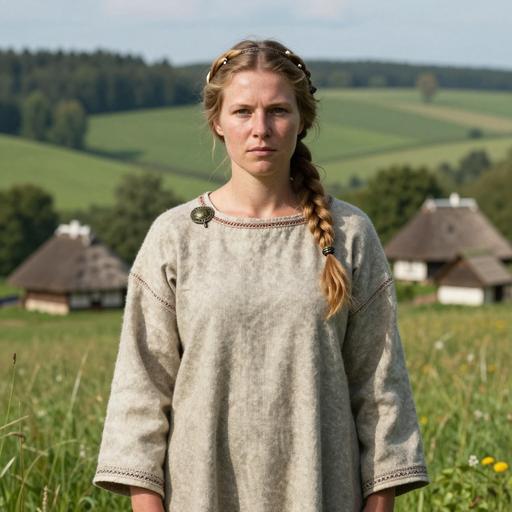
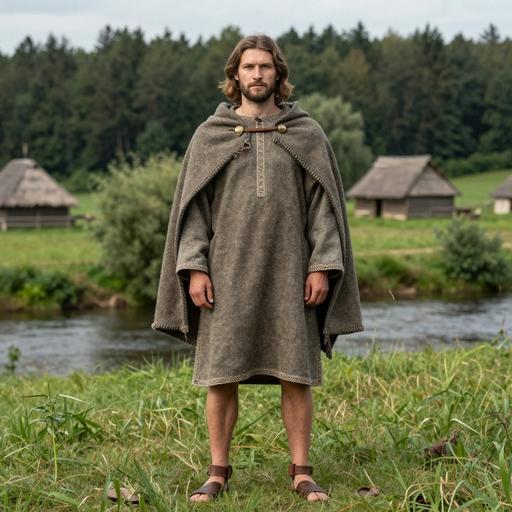
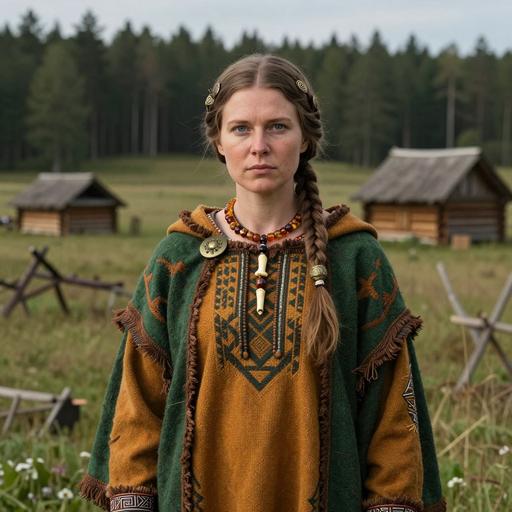
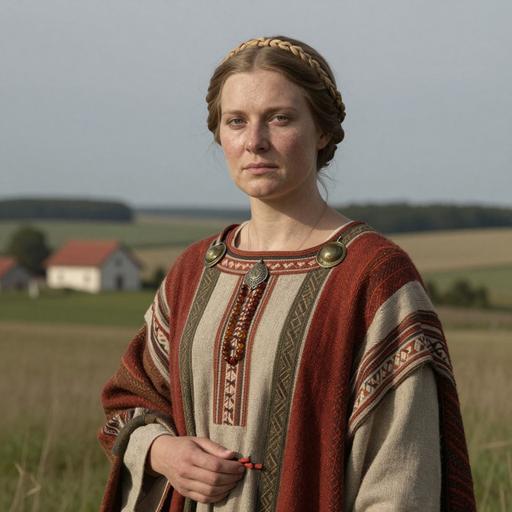
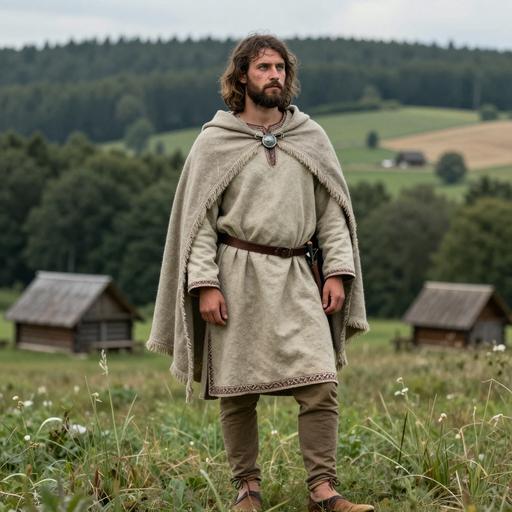
U5B1C2A's time depth and geographic pattern align best with demographic processes in the later prehistoric and early historic periods of Northern Europe. Rather than marking the earliest Mesolithic hunter-gatherer expansions, it likely reflects localized maternal continuity and regional differentiation during the Bronze Age and Iron Age, possibly amplified by founder effects in relatively isolated communities (for example, northern coastal or upland groups and the ancestors of modern Sámi). Archaeogenetic sampling has recovered related U5B1C2 lineages in Bronze Age and later contexts in northern and western Europe; however, U5B1C2A itself is relatively rare in published ancient DNA datasets, with only a small number of archaeologically dated occurrences reported so far.
Practical Notes for Genetic Genealogy
- A mitogenome-level match to U5B1C2A can be informative about deep maternal ancestry in northern Europe and may support genealogical connections to Scandinavia or neighbouring regions.
- Because U5 lineages are old and widespread, sharing U5 at coarse resolution (e.g., U5b or U5b1) is not by itself proof of close maternal relatedness; matches to a terminal clade like U5B1C2A carry more weight but still require careful interpretation and, ideally, full mitogenome comparison.
Conclusion
U5B1C2A is a northern European, relatively recent subclade of the U5 family that documents maternal continuity and regional differentiation in Scandinavia and nearby parts of Europe during the later prehistory and early historic era. Its modern distribution reflects both deep continuity in northern populations (including Sámi and Scandinavian groups) and later, low-frequency dispersal to adjacent regions.
Key Points
- Origins and Evolution
- Subclades
- Geographical Distribution
- Historical and Cultural Significance
- Practical Notes for Genetic Genealogy