The Story
The journey of mtDNA haplogroup U5B1C2B
Origins and Evolution
Haplogroup U5B1C2B is a fine-scale subclade of the broader U5 mitochondrial haplogroup, which itself is one of the oldest and most characteristic maternal lineages in post-glacial Europe. U5 lineages are strongly associated with Mesolithic hunter-gatherer populations of Europe; however, the U5B1C2 branch (the parent of U5B1C2B) is inferred to have diversified later during the post-glacial and Bronze Age periods in northern and central Europe. U5B1C2B represents a subsequent, more recent split within that branch, consistent with local differentiation in northern Europe during the late Bronze Age to Iron Age timeframe (roughly the last 2–3 thousand years).
Genetically, U5B1C2B carries the diagnostic mutations that define U5B-derived sublineages while also having additional private mutations that mark the B1C2B subbranch. Its phylogenetic placement as a downstream clade of U5B1C2 implies a regionally restricted origin and slower diffusion compared with more widely spread European mtDNA haplogroups such as H.
Subclades (if applicable)
At present, U5B1C2B is treated as a terminal or near-terminal subclade in published and public mtDNA phylogenies and aDNA datasets. Where further internal diversity is observed, it tends to be shallow, reflecting recent local expansions rather than deep, continent-wide radiations. Ongoing sequencing of modern and ancient mitogenomes may reveal additional sub-branches within U5B1C2B, particularly in understudied northern and northwestern European populations.
Geographical Distribution
U5B1C2B is most consistently reported from northern Europe, with the highest relative frequencies and sampling density in Scandinavia and among Saami/Sápmi populations. It is present at lower but detectable frequencies across the British Isles and in parts of Central and Eastern Europe. Sporadic occurrences in southwestern Europe (Iberia), North Africa (Berber-speaking groups and adjacent regions), and the Caucasus have been recorded at very low frequency, likely reflecting rare dispersal events, long-distance gene flow, or limited sampling artifacts.
Ancient DNA evidence for U5B1C2B is currently limited but nonzero — several archaeological samples attributed to northern European contexts show the lineage, supporting continuity or repeated reappearance of related U5B subclades in the region across the late Bronze Age, Iron Age, and into historic periods.
Historical and Cultural Significance
Because U5 is rooted in Mesolithic hunter-gatherer ancestry, later U5-derived subclades such as U5B1C2B are often interpreted as lineages that either persisted locally through major demographic transitions (Neolithic farming expansions, Bronze Age migrations) or re-emerged in regional populations through drift and founder effects. The concentration of U5B1C2B in northern Scandinavia and the Saami suggests long-term maternal continuity in these high-latitude populations, potentially linked to demographic stability or cultural isolation that maintained older maternal lineages.
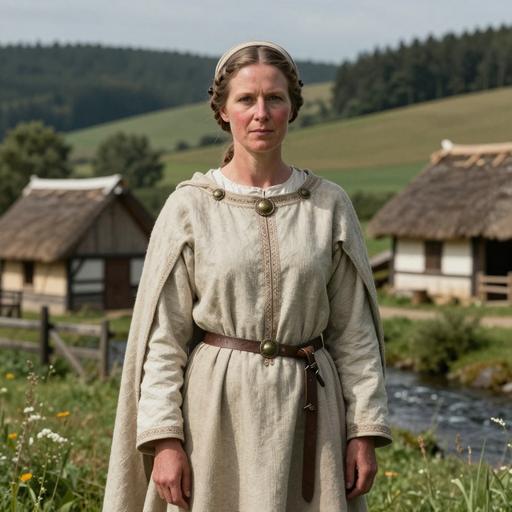
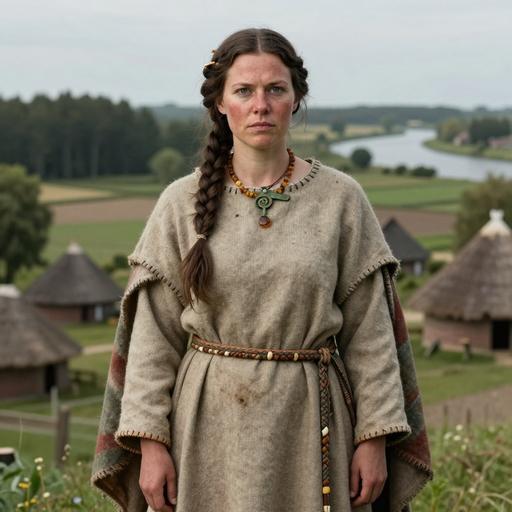
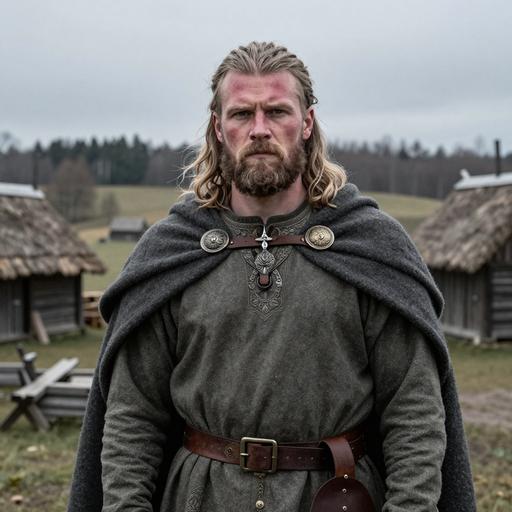
In archaeological contexts, U5B1C2B and its parent clade have most relevance to Bronze Age and later northern European cultures (for example, Nordic Bronze Age and Iron Age societies), and the lineage's survival into medieval and modern periods means it can inform studies of population continuity, mobility, and maternal ancestry in Viking Age and post-Viking northern Europe.
Conclusion
U5B1C2B is a geographically focused, downstream mtDNA lineage of the ancient European U5 family. Its phylogenetic position and observed distribution point to a northern/central European origin within the last few thousand years and a pattern of restricted but persistent presence in Scandinavia, the Saami, and adjacent populations. Though not common globally, U5B1C2B is valuable for tracing maternal continuity and microevolutionary processes in northern Europe, and additional sequencing of both modern and ancient mitogenomes is likely to refine its internal structure and historical trajectory.
Key Points
- Origins and Evolution
- Subclades (if applicable)
- Geographical Distribution
- Historical and Cultural Significance
- Conclusion