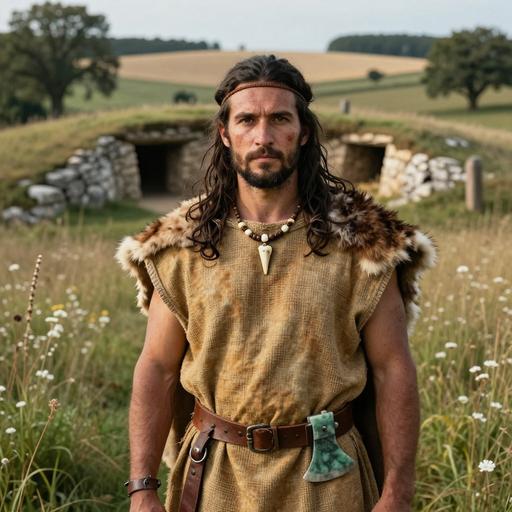
The Story
The journey of mtDNA haplogroup U5B1I
Origins and Evolution
Haplogroup U5B1I is a downstream subclade of U5B1, itself nested within the ancient European lineage U5. U5 is one of the oldest maternal lineages in Europe and is strongly associated with postglacial Mesolithic hunter-gatherers that recolonized northern Europe from southern refugia after the Last Glacial Maximum. U5B1 likely arose during the early postglacial period (~9 kya) and U5B1I represents a later, more restricted branching that probably formed during the mid-to-late Holocene as small maternal lineages differentiated in northern and north-central Europe.
Ancient DNA (aDNA) evidence places U5 and its subclades in Mesolithic contexts across Europe; U5B1I itself has been identified in a small number of archaeological samples (six in the referenced database), indicating an ancient presence but low overall frequency. The phylogenetic position of U5B1I as a subclade of U5B1 implies continuity from Paleolithic/Mesolithic maternal pools combined with drift and founder effects in northern populations.
Subclades (if applicable)
U5B1I is a downstream branch of U5B1 and may include private mutations that distinguish it from sibling lineages. As a relatively rare and geographically focused subclade, it has few well-documented downstream branches in the literature; many available observations consist of singletons or small clusters in modern and ancient samples. Continued targeted mitogenome sequencing in northern European and Sámi-associated contexts is likely to refine its internal structure and reveal any further sub-branches.
Geographical Distribution
The distribution of U5B1I is concentrated in northern Fennoscandia, with notable occurrences among the Saami and other Scandinavian populations. Outside that core area, U5B1I appears at low frequencies across parts of the British Isles, the Iberian Peninsula, Central and Eastern Europe, and sporadically in adjacent regions such as the Caucasus and northwest Africa; these peripheral occurrences likely reflect ancient gene flow, later migrations, or rare founder events rather than broad demographic expansions.
Because U5-derived lineages were widespread among Mesolithic hunter-gatherers, downstream rarer clades like U5B1I often show patchy distributions shaped by genetic drift, isolation, and local continuity (for example, long-term matrilineal persistence among Sámi communities).
Historical and Cultural Significance
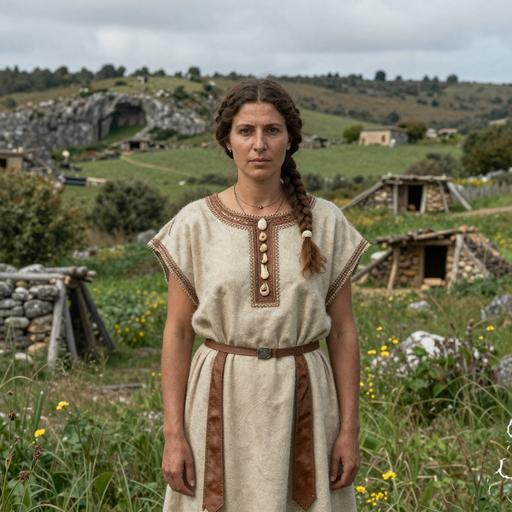
U5B1I is best interpreted within the broader story of European maternal continuity. Its association with Mesolithic hunter-gatherer ancestry links it to populations that persisted through the Neolithic and later periods in northern Europe, sometimes maintaining distinct cultural and genetic identities (for example, the Saami). The haplogroup's rarity and localization make it useful for studies of microevolutionary processes such as founder effects, bottlenecks, and matrilineal continuity in small or partially isolated populations.
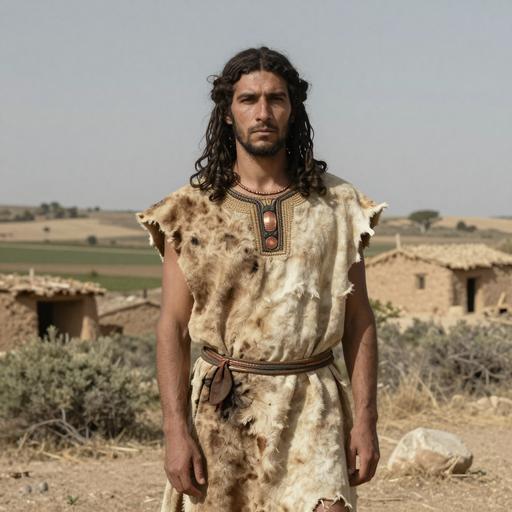
U5B1I is not strongly associated with major Neolithic farmer expansions (which increased frequencies of mtDNA haplogroups such as H and J), nor with steppe-associated Bronze Age movements that reshaped portions of Europe's paternal and autosomal landscape; instead, it exemplifies the persistence of pre-farming maternal lineages in northern refugia and their survival into the historical era.
Conclusion
U5B1I is a localized, low-frequency mtDNA lineage descended from the postglacial U5B1 branch and best understood as part of Europe's Mesolithic maternal legacy. Its concentration in northern Fennoscandia and occurrence among Saami and neighboring Scandinavian populations reflect long-term continuity, isolation, and genetic drift. Further whole-mitogenome sampling of northern and ancient populations will improve resolution of U5B1I's internal structure and historical dynamics.
Key Points
- Origins and Evolution
- Subclades (if applicable)
- Geographical Distribution
- Historical and Cultural Significance
- Conclusion