Menu
mtDNA Haplogroup • Maternal Lineage

V18

mtDNA Haplogroup V18

~9,000 years ago
Western Europe (Franco‑Cantabrian / Iberian region)
1 subclades
Scroll to explore
Chapter I

The Story

The journey of mtDNA haplogroup V18

Origins and Evolution

mtDNA haplogroup V18 is a downstream lineage nested within haplogroup V1, itself a branch of mitochondrial haplogroup V associated with post‑Last Glacial Maximum (LGM) recolonization of Western Europe. Based on the phylogenetic position under V1 and comparisons with coalescence estimates for nearby V subclades, V18 plausibly arose in the early Holocene (around 9 kya) in or near the Franco‑Cantabrian/Iberian refugial zone. Its emergence likely reflects diversification within local Mesolithic female lineages as climatic amelioration allowed demographic expansion and range re‑occupation.

Subclades (if applicable)

As a relatively deep but rare subclade of V1, V18 itself may contain limited downstream variation in modern samples. Published large-scale mtDNA trees and population surveys show that many V sublineages remain low frequency and geographically localized; V18 is expected to have few well-differentiated daughter clades in current datasets, and further resolution depends on targeted mitogenome sequencing from Iberian and Atlantic European populations.

Geographical Distribution

V18 shows a geographic pattern consistent with other V1 subclades: a concentration in Iberia and the Atlantic façade of Western Europe, with lower-frequency and sporadic occurrences in Atlantic France, parts of northwest Europe, and isolated reports from northern populations (including some Scandinavian/Saami samples) and coastal North Africa. The distribution suggests long‑term persistence in western refugial populations with limited but detectable spread during the Mesolithic–Neolithic transition and later movements.

Historical and Cultural Significance

Because V18 is closely tied to V1, its history is intertwined with post‑glacial recolonization and the persistence of hunter‑gatherer maternal lineages through the Mesolithic and into later archaeological periods. In ancient DNA studies, haplogroup V (and sublineages) is often associated with European hunter‑gatherers and shows continuity in some regions into the Neolithic and Bronze Age. The presence of V18 in modern and ancient western European samples can therefore be informative about maternal continuity in Iberia and the Atlantic fringe, admixture between incoming farmers and local foragers, and later demographic events that redistributed maternal lineages at low frequency.

Conclusion

V18 is a low‑frequency, regionally informative mtDNA subclade of V1 that likely arose in the early Holocene in Western Europe. While not a major continental lineage, it is valuable for reconstructing local maternal demographic histories, especially relating to post‑LGM recolonization and Mesolithic continuity in the Iberian and Atlantic regions. Additional mitogenome sequencing from targeted populations and ancient remains could clarify its internal structure and finer chronological spread.

Key Points

  • Origins and Evolution
  • Subclades (if applicable)
  • Geographical Distribution
  • Historical and Cultural Significance
  • Conclusion

Chapter II

Tree & Relationships

Phylogenetic context and subclades

Evolution Path

This haplogroup's evolutionary journey from its earliest ancestor to the present.

Steps Haplogroup Age Estimate Archaeology Era Time Passed Immediate Descendants Tested Modern Descendants Ancient Connections
1 V18 Current ~9,000 years ago 🌾 Neolithic 9,000 years 1 0 0
2 V1 ~12,000 years ago 🌾 Neolithic 12,000 years 8 77 0
3 V ~14,000 years ago 🏹 Mesolithic 14,000 years 8 418 118
4 HV ~30,000 years ago 🦴 Paleolithic 30,000 years 10 7,905 228
5 R ~60,000 years ago 🦴 Paleolithic 60,000 years 12 10,987 57
6 N ~60,000 years ago 🦴 Paleolithic 60,000 years 15 15,452 13
7 L3 ~70,000 years ago 🦴 Paleolithic 70,000 years 11 17,621 6
8 L ~160,000 years ago 🦴 Paleolithic 160,000 years 7 18,987 5

Siblings (7)

Other branches from the same parent haplogroup

Chapter III

Where in the World

Geographic distribution and modern presence


Place of Origin

Western Europe (Franco‑Cantabrian / Iberian region)

Modern Distribution

The populations where mtDNA haplogroup V18 is found include:

  1. Iberian populations (Spain, Portugal, including Basque groups)
  2. Atlantic France and other Western European coastal groups
  3. Northern European populations (sporadic occurrences, including some Scandinavian/Saami samples)
  4. Northwest Africa (coastal Berber and adjacent populations, rare)
  5. Ancient European Mesolithic hunter‑gatherer remains from Western Europe
  6. Modern populations with Atlantic‑European ancestry in western and central Europe
CHAPTER IV

When in Time

Your haplogroup in the context of human history

~10k years ago

Neolithic Revolution

Agriculture begins, settled communities form

~9k years ago

Haplogroup V18

Your mtDNA haplogroup emerged in Western Europe (Franco‑Cantabrian / Iberian region)

Western Europe (Franco‑Cantabrian / Iberian region)
~5k years ago

Bronze Age

Metalworking, writing, and early civilizations

~3k years ago

Iron Age

Iron tools, expanded trade networks

~2k years ago

Classical Antiquity

Greek and Roman civilizations flourish

Present

Present Day

Modern era

Your Haplogroup
Historical Era
Chapter IV-B

Linked Cultures

Ancient cultures associated with mtDNA haplogroup V18

Cultural Heritage

These ancient cultures have been linked to haplogroup V18 based on matching ancient DNA samples from archaeological excavations. The presence of this haplogroup in these cultures provides insights into the migrations and population movements of populations carrying this haplogroup.

Alföld Linear Pottery Körös Culture La Tene Culture Linear Pottery Culture Niemcza Culture Sopot Culture
Culture assignments are based on archaeological context of ancient DNA samples and may represent regional associations during specific time periods.
Chapter V

Sample Catalog

Top 50 ancient DNA samples directly related to haplogroup V18 or parent clades

50 / 50 samples
Portrait Sample Country Era Date Culture mtDNA Match
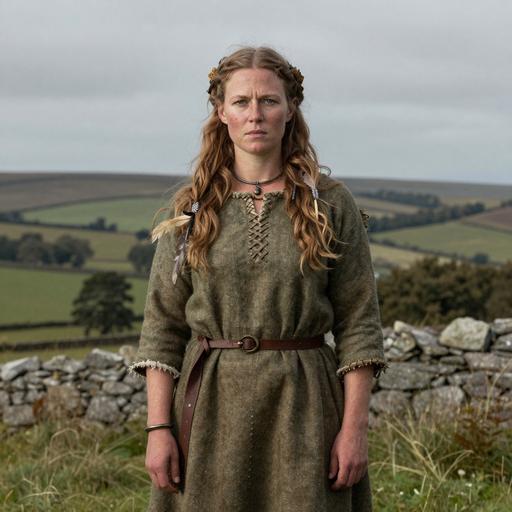
Portrait of ancient individual I26718 from Croatia, dated 100 CE - 400 CE
I26718
Croatia Late Imperial Roman Croatia 100 CE - 400 CE Late Imperial Roman V16 Direct
Portrait of ancient individual I32304 from Serbia, dated 100 CE - 300 CE
I32304
Serbia Roman Serbia 100 CE - 300 CE Roman Provincial V+@72 Direct
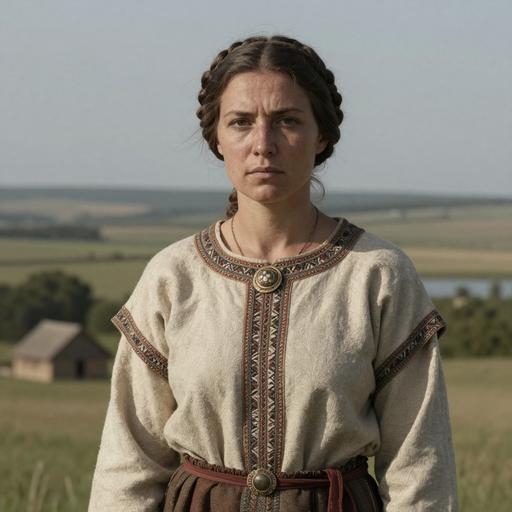
Portrait of ancient individual PCA0483 from Poland, dated 100 CE - 300 CE
PCA0483
Poland Wielbark Culture 100 CE - 300 CE Wielbark V3c Direct
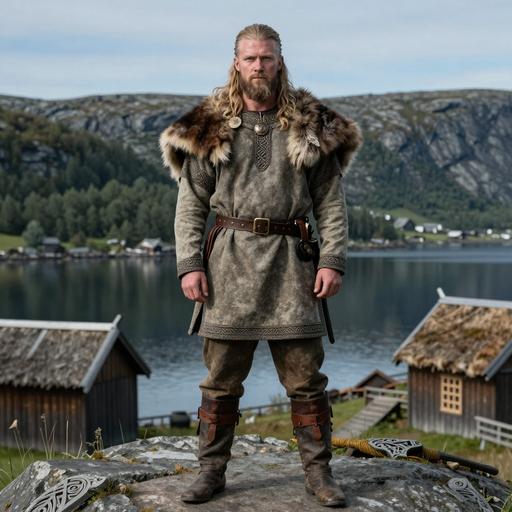
Portrait of ancient individual PCA0488 from Poland, dated 100 CE - 300 CE
PCA0488
Poland Wielbark Culture 100 CE - 300 CE Wielbark V3c Direct
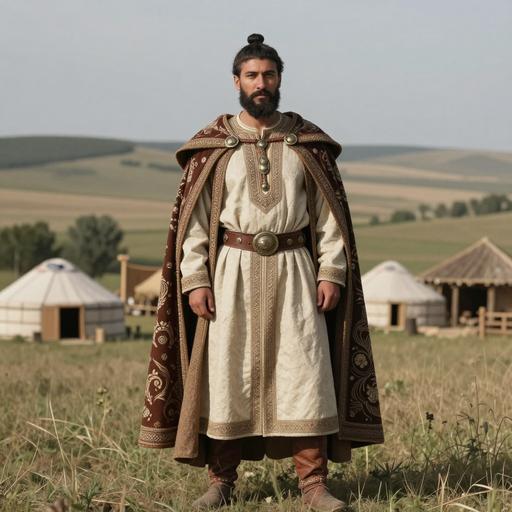
Portrait of ancient individual L7999 from Uzbekistan, dated 150 BCE - 50 CE
L7999
Uzbekistan Iron Age Rabat Culture of Surxondaryo 150 BCE - 50 CE Rabat Culture V2a Direct
Portrait of ancient individual I11713 from Slovakia, dated 190 BCE - 1 BCE
I11713
Slovakia The La Tene Culture in Slovakia 190 BCE - 1 BCE La Tene Culture V18a Direct
Portrait of ancient individual I11715 from Slovakia, dated 190 BCE - 1 BCE
I11715
Slovakia The La Tene Culture in Slovakia 190 BCE - 1 BCE La Tene Culture V Direct
Portrait of ancient individual PCA0113 from Poland, dated 200 CE - 400 CE
PCA0113
Poland Wielbark Culture 200 CE - 400 CE Wielbark V Direct
Portrait of ancient individual I15533 from Serbia, dated 246 CE - 365 CE
I15533
Serbia Roman Serbia 246 CE - 365 CE Roman Provincial V1a1 Direct
Portrait of ancient individual I21314 from United Kingdom, dated 342 BCE - 51 BCE
I21314
United Kingdom Middle to Late Iron Age England 342 BCE - 51 BCE Late Iron Age British V23 Direct
Chapter VI

Carrier Distribution Map

Geographic distribution of 100 ancient DNA samples carrying haplogroup V18

Time Period Filter
All Time Periods
Showing all samples
Each marker represents an ancient individual
Chapter VII

Temporal Distribution

Distribution of carriers across archaeological periods

Chapter VIII

Geographic Distribution

Distribution of carriers by country of origin

Chapter IX

Country × Era Distribution

Cross-tabulation of carrier countries and archaeological periods

Data

Data & Provenance

Source information and data quality

Last Updated 2026-02-16
Confidence Score 50/100
Coverage Low
Data Source

We use the latest phylotree for MTDNA haplogroup classification and data.