The Story
The journey of mtDNA haplogroup V3
Origins and Evolution
mtDNA haplogroup V3 is a derived branch of the broader haplogroup V, which expanded in Europe during the Late Glacial and Early Holocene. While haplogroup V has a coalescence date commonly estimated near ~14 kya associated with postglacial re-expansion from southwestern European refugia (notably the Iberian Peninsula), V3 represents a younger, localized diversification that likely arose during the Early to Mid-Holocene (on the order of ~9 kya in this synthesis). The appearance of V3 is consistent with population processes following ice retreat: localized founder effects, small-scale migrations, and demographic expansions of hunter-gatherer and early farming groups.
Subclades
As a specific subclade beneath haplogroup V, V3 may itself contain private mutations that define regional lineages, but it is less well-sampled than major V subclades (e.g., V1, V2). Published phylogenies for haplogroup V show a handful of downstream branches; V3's internal structure is typically shallow, reflecting a relatively recent origin and limited deep diversification. Continued sampling of modern and ancient mitogenomes can reveal additional substructure within V3 and refine node ages.
Geographical Distribution
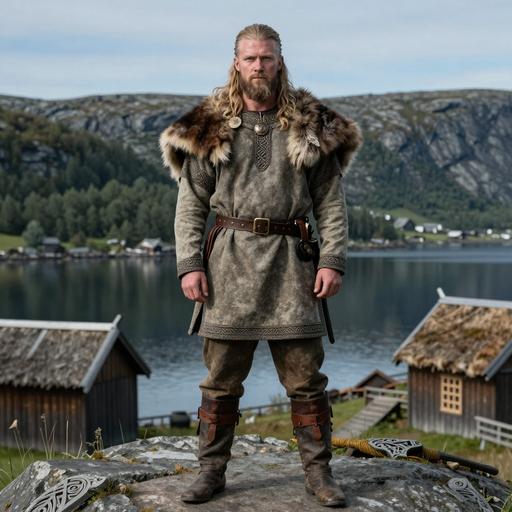
V3 is concentrated in Western and Northern Europe with occasional occurrences in adjacent regions. The highest frequencies of parent haplogroup V are in the Iberian Peninsula and parts of Western Europe; V3 appears as a localized lineage within that larger distribution and also in northern pockets such as among Saami and some Scandinavian populations. Low-frequency detections have been reported in the Caucasus and in North African Berber groups, consistent with historical gene flow across the Mediterranean and along coastal corridors.
Historical and Cultural Significance
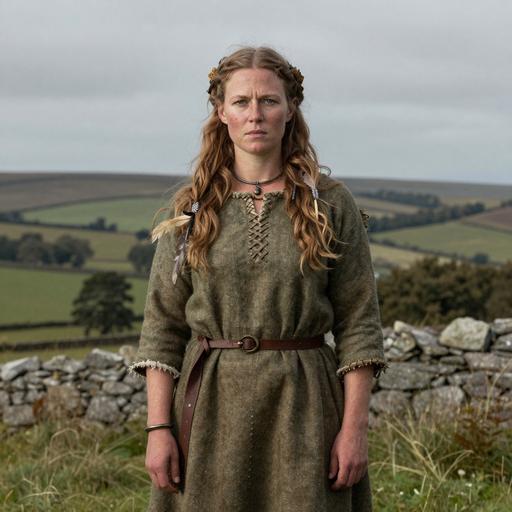
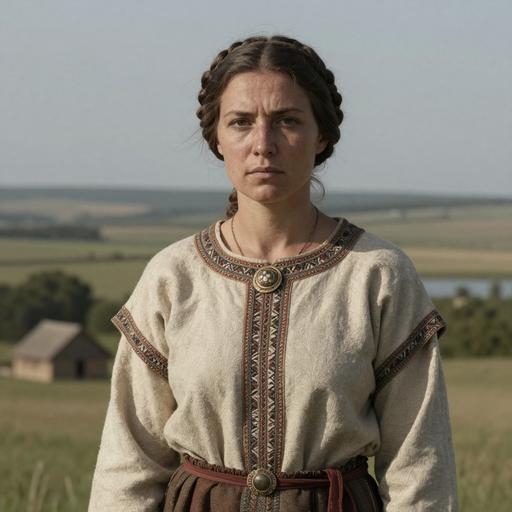
Haplogroup V lineages more broadly are often connected with postglacial recolonization of northern and western Europe by hunter-gatherer descendants and later incorporation into Neolithic and subsequent cultural assemblages. V3, given its inferred chronology and distribution, most plausibly participated in Mesolithic population dynamics and later became a minority maternal lineage within Neolithic farmer-associated communities and later archaeological cultures. Where present among northern indigenous groups (e.g., Saami), V3 contributes to a pattern of mixed ancestry reflecting ancient northern refugia, later arrivals, and regional continuity.
Conclusion
mtDNA haplogroup V3 should be understood as a regional derivative of haplogroup V that documents part of Europe's postglacial maternal genetic landscape. It is informative for studies of Holocene migrations and local demographic events in Western and Northern Europe, and its relatively recent coalescence makes it a useful marker for finer-scale population history when coupled with archaeological and autosomal data. Ongoing ancient DNA recovery and full mitogenome sequencing are needed to map V3's internal diversity and clarify its precise prehistoric movements.
Key Points
- Origins and Evolution
- Subclades
- Geographical Distribution
- Historical and Cultural Significance
- Conclusion