The Story
The journey of mtDNA haplogroup V6
Origins and Evolution
mtDNA haplogroup V6 is a downstream branch of haplogroup V, a maternal lineage historically associated with post‑glacial recolonization of Europe from southwestern refugia and with later Neolithic and historic movements. Haplogroup V has an estimated coalescence around ~14 kya, while V6, as a minor derived clade, likely coalesced later — on the order of a few thousand years after the parent clade. Based on phylogeographic patterns and typical mtDNA mutation rate calibrations, a conservative estimate places V6's origin in the late Neolithic to early Bronze Age interval (~6 kya), although confidence is limited by sparse sampling and few confirmed ancient instances.
Genetically, V6 carries the defining mutations that place it within the broader V clade; its internal diversity is relatively low in current modern datasets, suggesting either a localized origin with limited expansion or under‑sampling of its true diversity in unsurveyed populations.
Subclades
At present, V6 is treated as a specific branch within V with limited reported substructure in public databases and published literature. If additional whole mitochondrial genomes from diverse populations and ancient samples are incorporated, V6 may be resolved into further sublineages. Current evidence indicates V6 is a low-frequency lineage without a large number of named downstream clades; many reported V6 assignments come from targeted haplogroup screens or partial control-region motifs rather than extensive mitogenome sampling.
Geographical Distribution
The geographic distribution of V6 is patchy and low-frequency. Reported occurrences and reasonable phylogeographic inference place V6 primarily in:
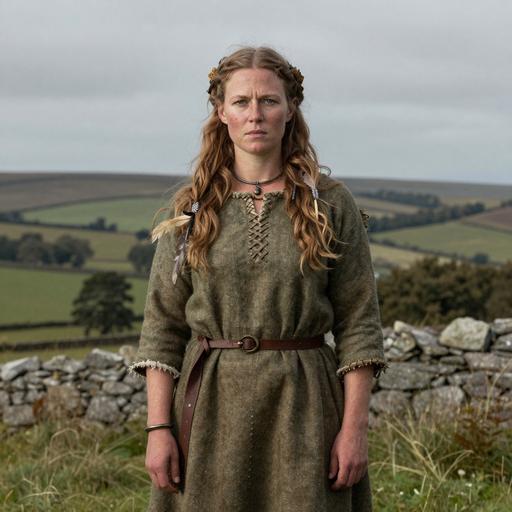
- Western Europe, particularly the Iberian Peninsula and nearby Atlantic European populations;
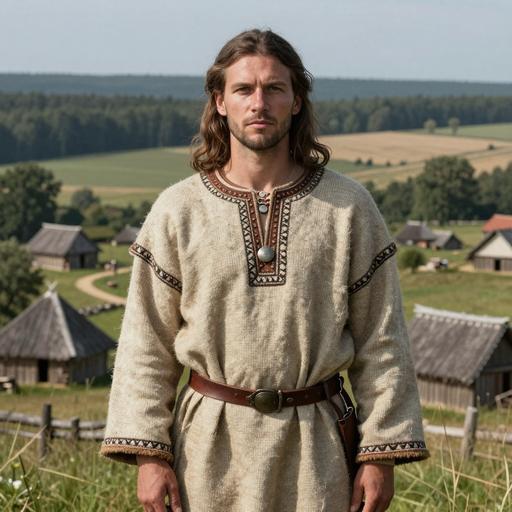
- Northern Europe in small frequencies, including among some Saami and other northern Scandinavian groups in which haplogroup V overall is notable;
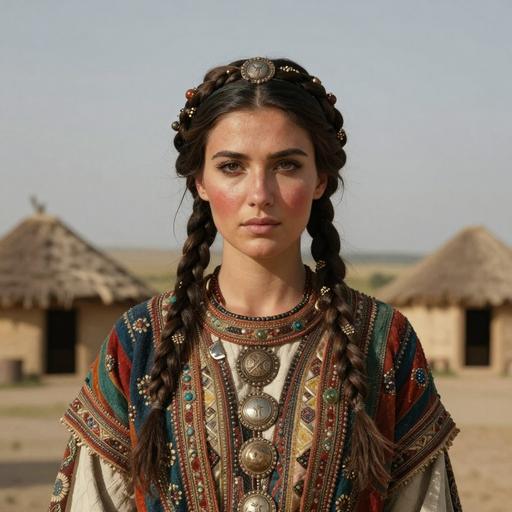
- The Caucasus and adjacent regions, where low-frequency V subclades are occasionally observed; and
- North Africa (Maghreb/Berber populations) at low frequency, consistent with historical gene flow across the western Mediterranean.
Because V6 is uncommon, its presence in any of these areas may reflect localized founder events, historic migration, or limited sampling; ancient DNA evidence for V6 is currently sparse, which restricts robust inference about past demographic events specific to this subclade.
Historical and Cultural Significance
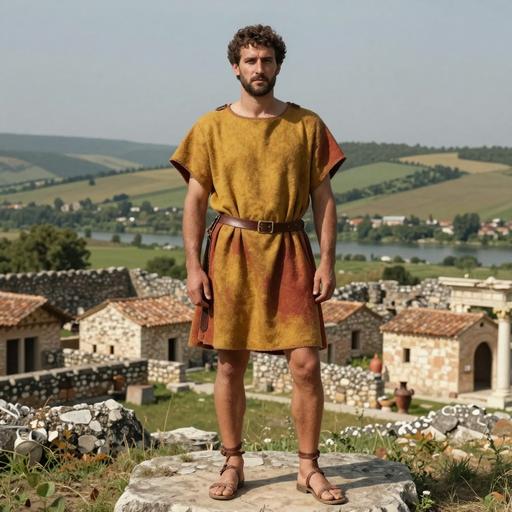
Haplogroup V (parent clade) has been linked to postglacial re-expansion from Iberian refugia and is present in several Mesolithic and later contexts in Europe. For V6 specifically, the pattern suggests a localized maternal lineage that may have been incorporated into populations involved with late Neolithic and Bronze Age cultural horizons. Potential cultural associations are inferential rather than proven — V6 could have been carried by small groups connected to coastal Atlantic networks, Neolithic farmer communities in southwestern Europe, or later Bronze Age movements; limited data prevent strong cultural attributions.
Because V6 appears at low frequency in both northern (including Sámi) and southern (Iberian, North African) contexts, it may reflect multiple episodes of mobility: ancient postglacial movements, Neolithic maritime contacts along the Atlantic façade, and historic trans‑Mediterranean exchange. Definitive links to specific archaeological cultures await more targeted ancient mitogenome sampling.
Conclusion
mtDNA haplogroup V6 is a rare, regionally scattered subclade of V with an inferred origin in Western Europe in the late Neolithic–early Bronze Age timeframe (~6 kya). Its low frequency and patchy distribution across Iberia, parts of Scandinavia, the Caucasus, and North Africa mean that any demographic or cultural inferences must be made cautiously. Expanding whole mitogenome sequencing and ancient DNA sampling in underrepresented regions is the most direct way to clarify V6's history, internal structure, and any meaningful archaeological associations.
Key Points
- Origins and Evolution
- Subclades
- Geographical Distribution
- Historical and Cultural Significance
- Conclusion