The Story
The journey of Y-DNA haplogroup N1A1A1A1A1
Origins and Evolution
Y-DNA haplogroup N1A1A1A1A1 sits as a downstream branch of N1A1A1A1A within the broader N1 (N-M231) phylogeny. The parent clade N1A1A1A1A has been inferred to diversify after the Bronze Age spread of N lineages from Siberia into northeastern Europe; by phylogenetic position and the geographic concentrations of derived lineages, N1A1A1A1A1 most plausibly arose within a northern European (Fennoscandian / Baltic littoral) context roughly around 0.5–1.5 kya (here estimated ~1.0 kya). Its origin reflects continued local diversification of N-lineages already present in northern Eurasia following earlier east–west gene flows and the later cultural and demographic processes in the Iron Age and medieval periods.
Subclades
As a terminal subclade designated N1A1A1A1A1, this lineage represents fine-scale diversification within a closely related cluster of northern Eurasian N haplotypes. Depending on future high-resolution sequencing and wider population sampling, N1A1A1A1A1 may split into additional subbranches detectable by private SNPs or may be consolidated with neighboring subclades if downstream mutations are rare. Currently it is best regarded as a geographically localized derivative of the larger Fennoscandian N1 radiation.
Geographical Distribution
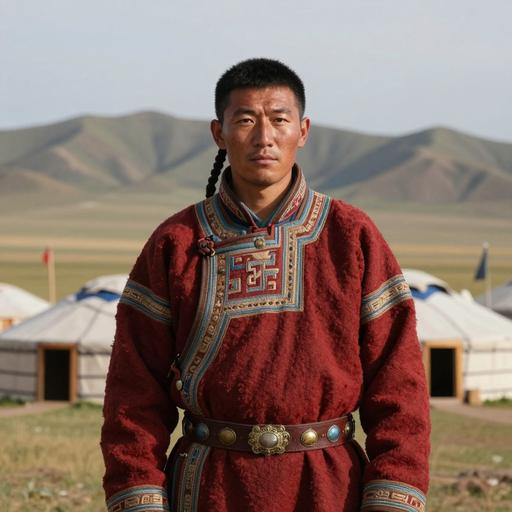
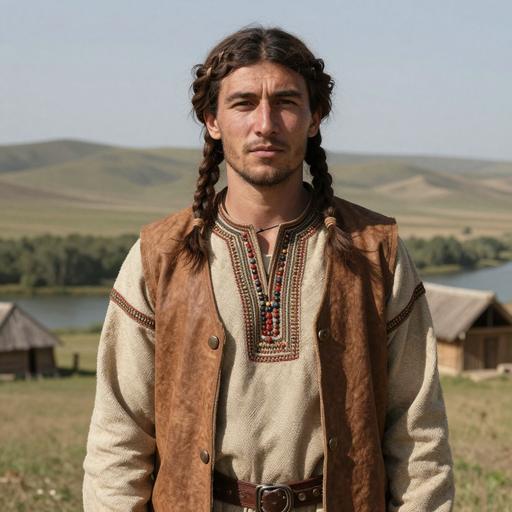
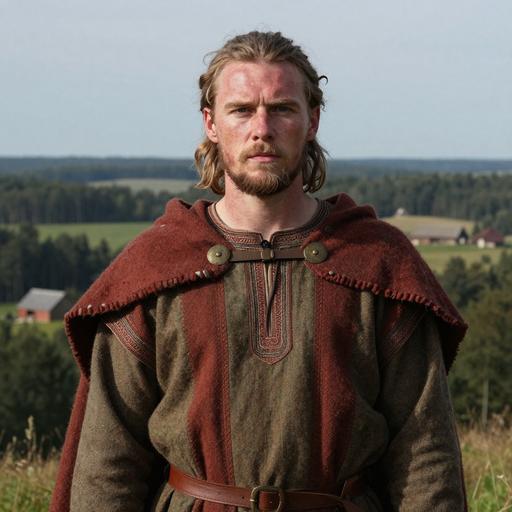
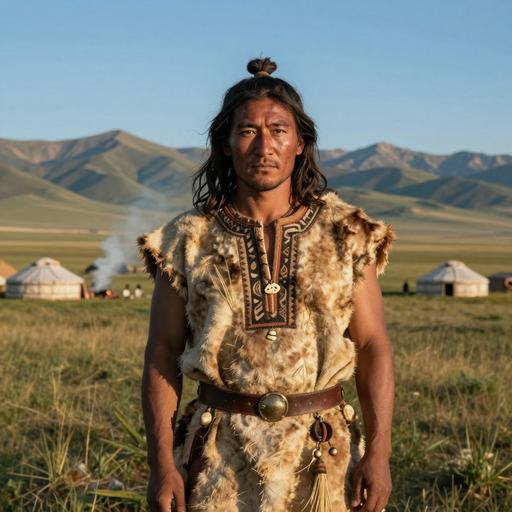
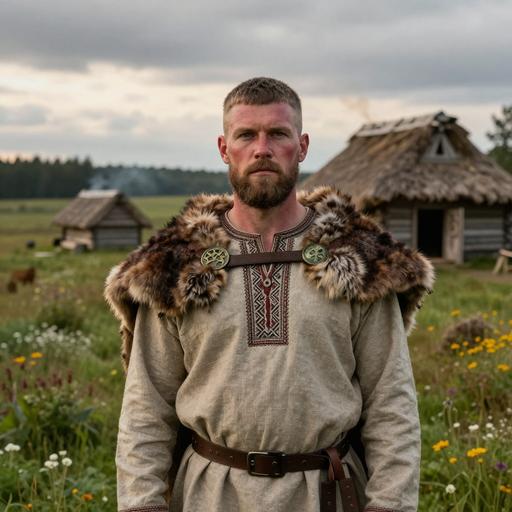
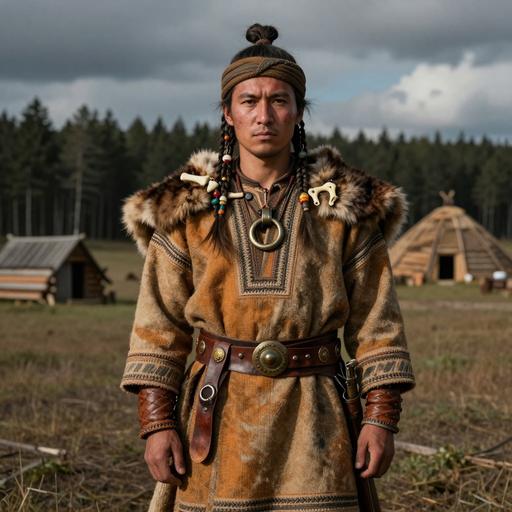
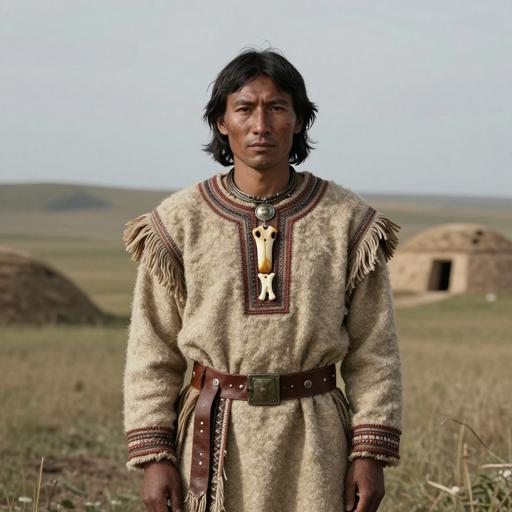
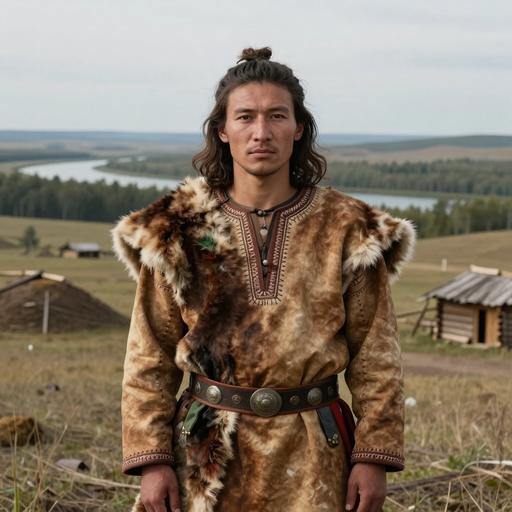
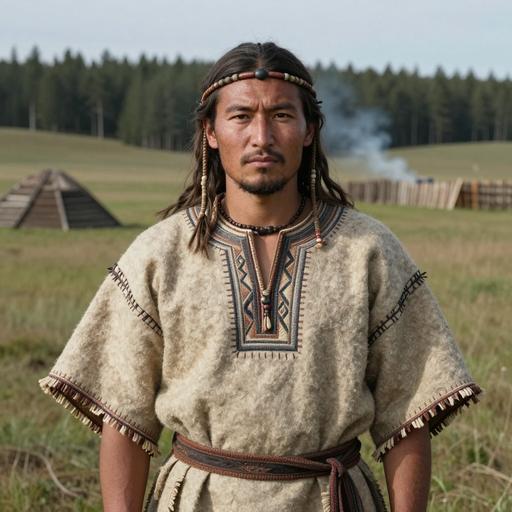
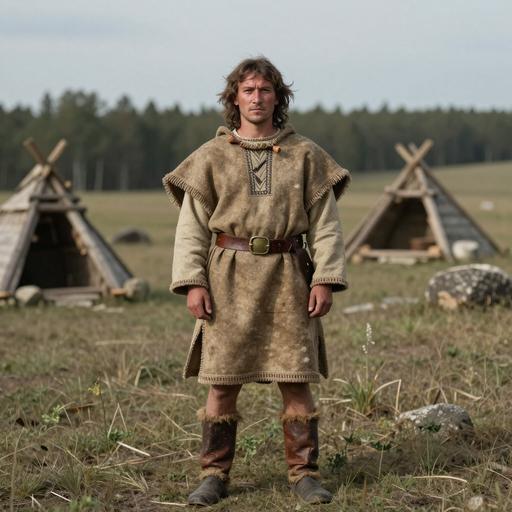
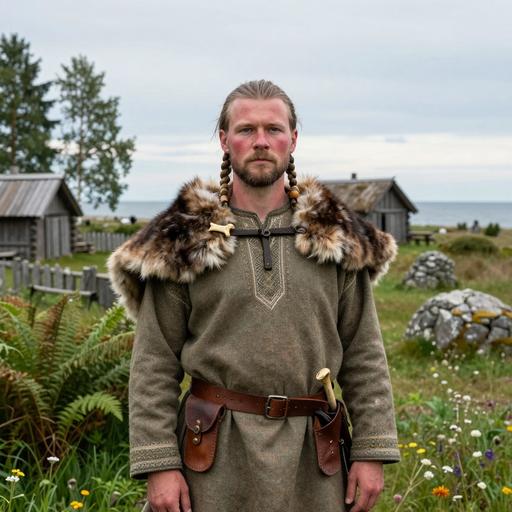
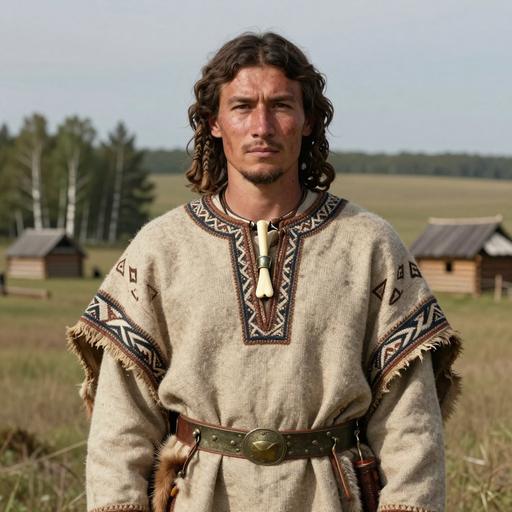
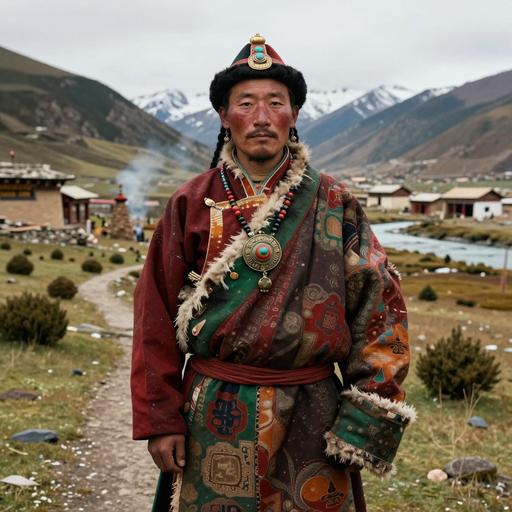
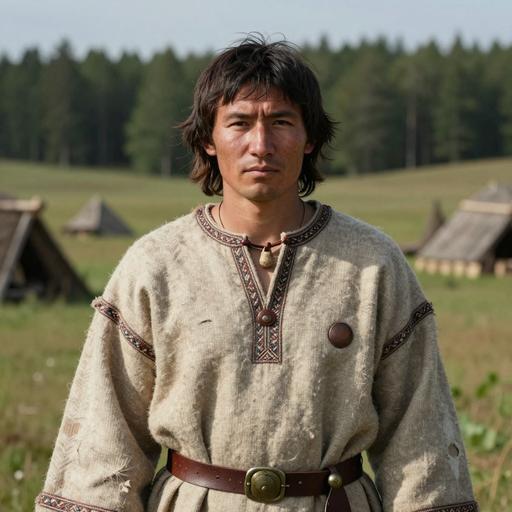
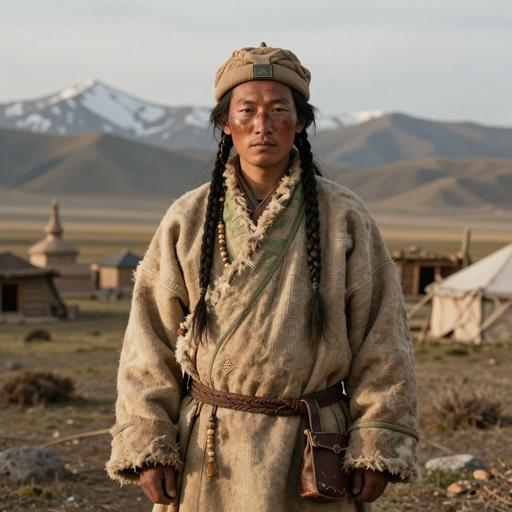
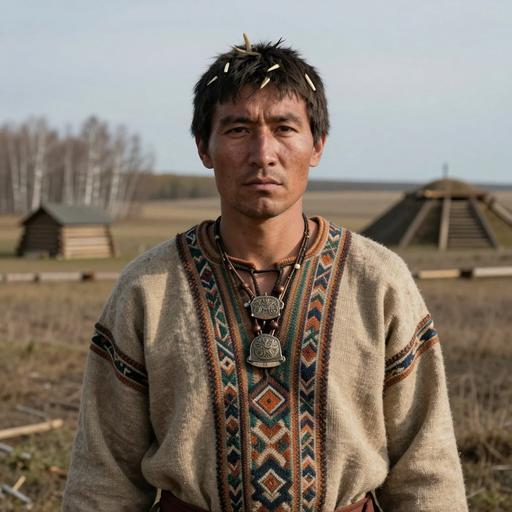
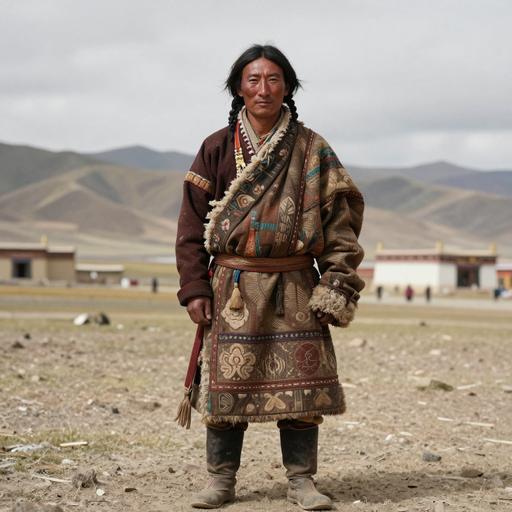
This subclade shows its highest relative frequencies and diversity in northern Europe, particularly in Finland, parts of Sweden and Norway, coastal Baltic populations, and northern Russian populations (including Komi and other groups). It also appears at lower frequencies among indigenous Siberian peoples (for example Nenets, Evenks, Yakuts), reflecting historical north–south and east–west gene flows across northern Eurasia. The observed pattern is consistent with an origin in northeastern Europe followed by limited gene flow into adjoining Siberian and northeastern Asian groups, and with retention/expansion in Uralic-speaking and Fennoscandian contexts.
Historical and Cultural Significance
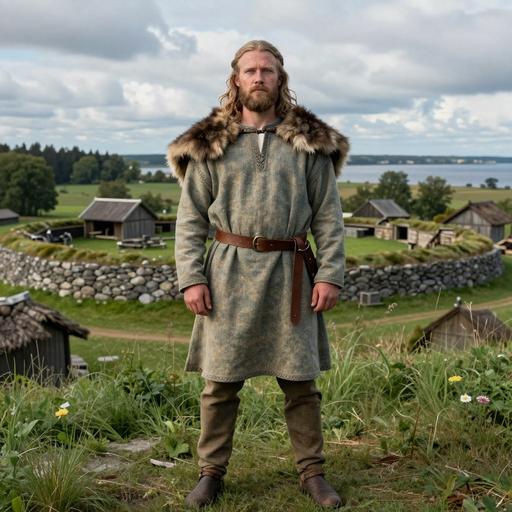
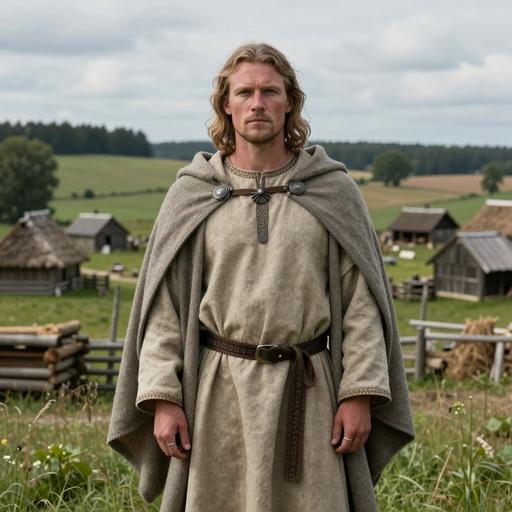
Although direct ancient DNA evidence for this precise subclade is limited in published datasets, the broader N1 lineage is strongly tied to the peopling of northern Eurasia and to many Uralic-speaking populations. A clade arising ~1 kya fits demographic processes of the Iron Age and medieval periods: local continuity of northern hunter-gatherer and mixed farmer-herder groups, assimilation and carrying forward of male lineages in Finnic and Saami groups, and interactions with Scandinavian (including Norse) and Baltic populations. In historical terms, N1A1A1A1A1 is best interpreted as a regional paternal marker reflecting northern European microevolutionary dynamics rather than a marker of a single migratory event.
Conclusion
N1A1A1A1A1 exemplifies how the broader N haplogroup diversified in situ in northern Eurasia after earlier Siberian-derived expansions. It highlights localized male-line continuity within Fennoscandia and adjacent northern regions, shows expected co-distributions with Scandinavian and Baltic paternal haplogroups at varying frequencies, and will benefit from deeper sequencing and expanded ancient sampling to clarify its emergence, substructure and historical movements.
Key Points
- Origins and Evolution
- Subclades
- Geographical Distribution
- Historical and Cultural Significance
- Conclusion