The Story
The journey of Y-DNA haplogroup N1A1A1A1A2
Origins and Evolution
Y-DNA haplogroup N1A1A1A1A2 sits as a recent downstream branch of the broader N1 lineage, which has strong northeastern Eurasian affinities. The parent clade N1A1A1A1A is estimated to have diversified around the Late Bronze Age to Iron Age boundary and shows a northern distribution; the N1A1A1A1A2 subclade likely arose later, within the last ~1,000 years (Early Medieval period), as a regional differentiation in northern Fennoscandia or nearby areas of northwestern Russia. Its emergence reflects continued local diversification of eastern Eurasian Y-chromosome lineages following Bronze Age and Iron Age movements across northern Eurasia.
Subclades
As a relatively terminal branch in the N1 tree, N1A1A1A1A2 may have few deeply branching named subclades recognized in currently available public phylogenies; finer substructure is best resolved by high‑coverage sequencing and expanded sampling among northern Eurasian populations. Where present, downstream lineages often show very localized geographic patterns consistent with founder effects and drift in small northern populations (for example, Saami and isolated coastal communities).
Geographical Distribution
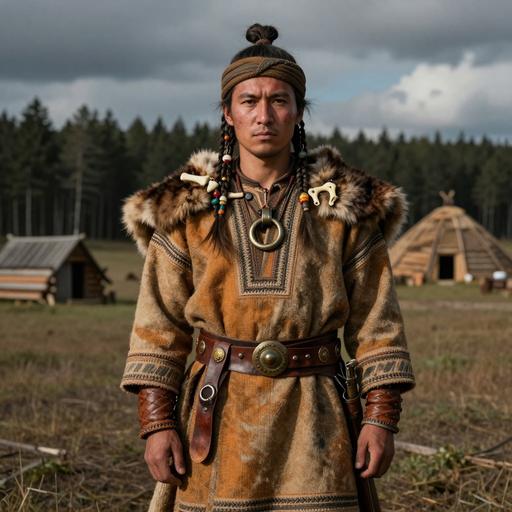
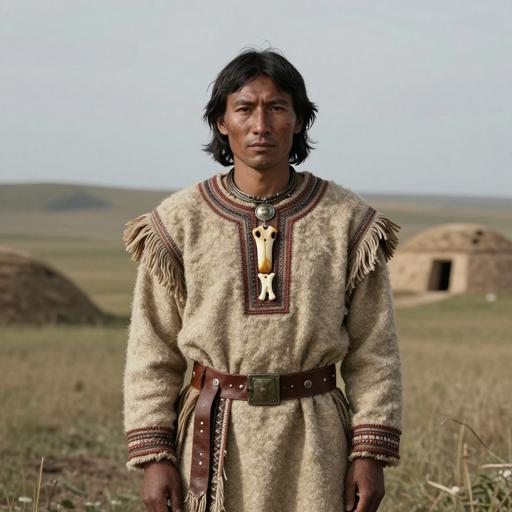
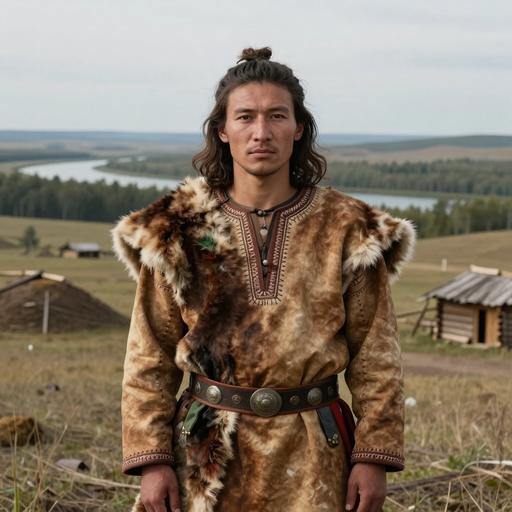
This haplogroup is concentrated in northern Europe with spillover into nearby parts of northern Russia and some northern Siberian groups. Higher frequencies are reported in Saami groups and some northern Finnish populations, with moderate to low frequencies in coastal Baltic and adjacent Russian populations. Occasional occurrences are documented among indigenous Siberian groups (Nenets, Evenks) and as rare finds in more distant Uralic‑speaking or historically connected populations owing to medieval mobility and later movements.
Historical and Cultural Significance
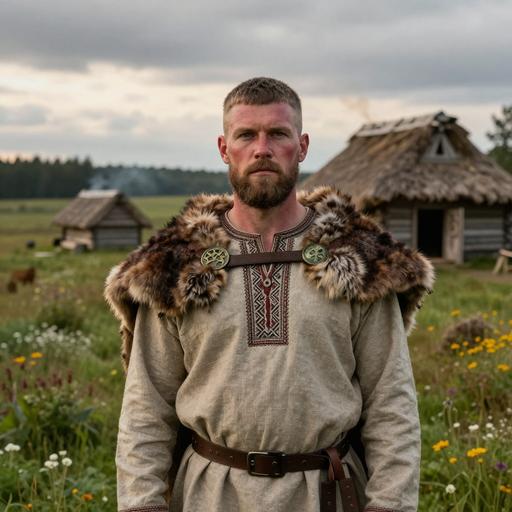
The time depth and geography suggest N1A1A1A1A2 expanded or became distinct during the Early Medieval to Viking Age period, a time of significant regional population interaction in northern Fennoscandia and the Baltic littoral. Its presence in Saami and northern Finnish contexts links it to the genetic history of northern hunter‑gatherer/fisher communities and to later contact between Uralic‑speaking groups and Scandinavian populations. Strong local drift and founder events in small, often endogamous communities have likely amplified the visibility of this lineage in archaeological‑genetic samples from the north.
Conclusion
N1A1A1A1A2 is a geographically focused, relatively recent branch of the N1 family that underscores the complex mosaic of northern Eurasian Y‑chromosome diversity. It illustrates how late Holocene demographic processes — regional isolation, founder effects, and interactions among Uralic, Finno‑Scandinavian and Siberian groups — produced distinct paternal lineages that are useful for tracing recent population history in Fennoscandia and adjacent northern regions.
Key Points
- Origins and Evolution
- Subclades
- Geographical Distribution
- Historical and Cultural Significance
- Conclusion