The Story
The journey of mtDNA haplogroup D4E2
Origins and Evolution
mtDNA haplogroup D4E2 is a downstream branch of D4E, itself a subclade of the broader East/Northeast Asian lineage D4. Based on the phylogenetic position of D4E2 within D4E and the known timing of diversification for many D4 sublineages, D4E2 most likely arose in the Late Pleistocene to Early Holocene (roughly ~12 kya). This timing is consistent with a post-Last Glacial Maximum (LGM) phase of population expansion and local differentiation in Northeast Asia and the Russian Far East, when human groups adapted to coastal and interior environments and regional maternal lineages diversified.
Subclades
D4E2 is a defined subbranch of D4E and in published datasets appears as a relatively shallow clade compared with deeper D4 diversity. Where sampled, D4E2 can show limited internal substructure reflecting localized founder events (for example, coastal or island populations in northeastern Japan and pockets in the Russian Far East). At present, D4E2 has fewer recognized downstream subclades than older D4 lineages, consistent with a later and more regionally restricted expansion.
Geographical Distribution
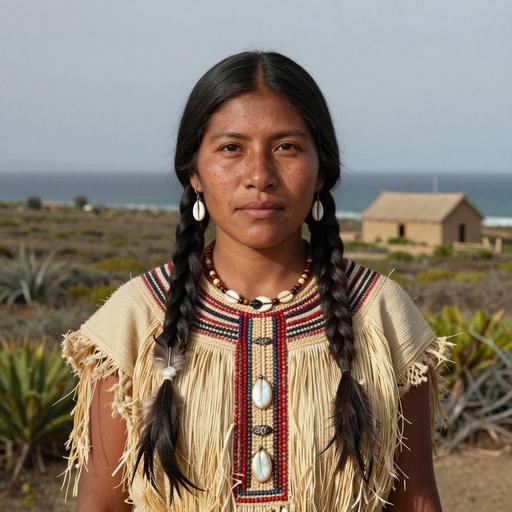
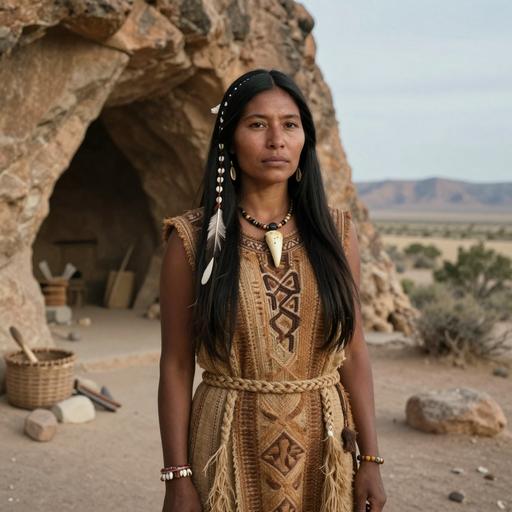
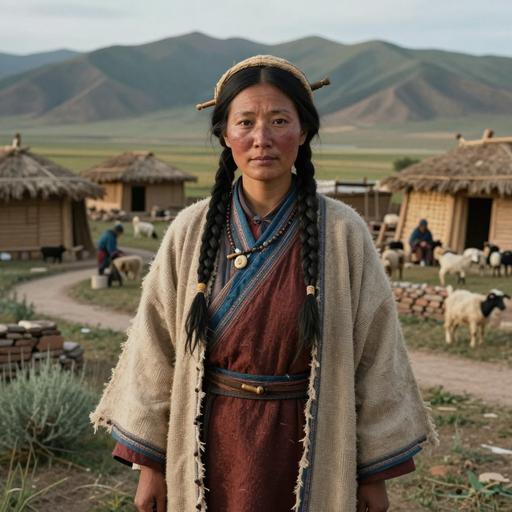
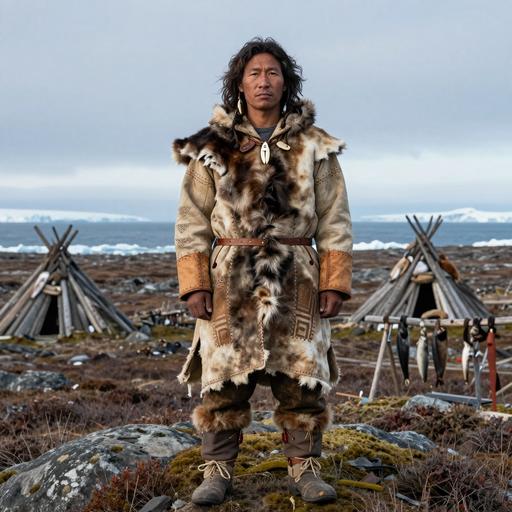
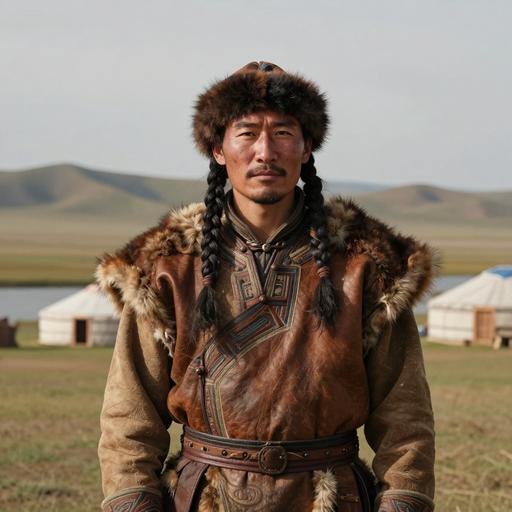
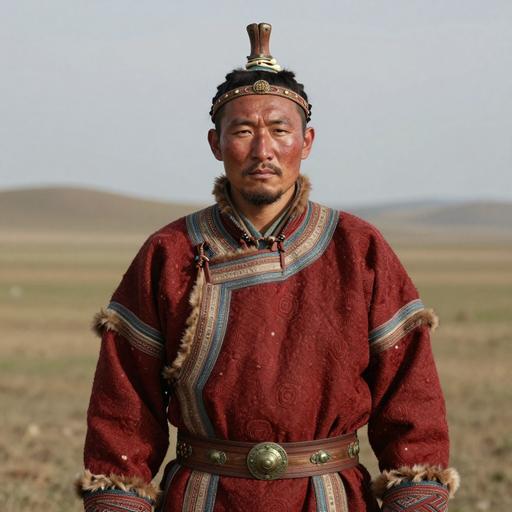
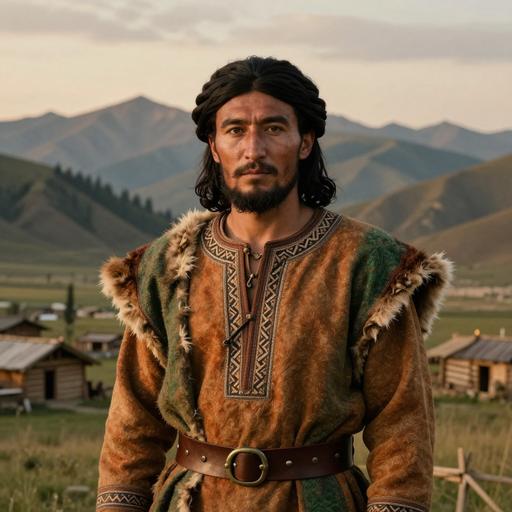
D4E2 shows its strongest presence in Northeast Asia and adjacent regions: primarily in northeastern China, the Korean Peninsula, the Japanese archipelago (including signals associated with ancient Jomon individuals), and among Indigenous Siberian groups of the Russian Far East. Frequency is typically low-to-moderate in broad Han Chinese, Japanese, and Korean population samples but can be locally enriched in coastal and island communities and in some indigenous Siberian groups (e.g., Yakut, Nivkh, Evenk). Scattered low-frequency occurrences are also detected in some Mongolic and Turkic-speaking groups of Central Asia and in selected Southeast Asian coastal/northern populations introduced by historical gene flow and maritime contact.
Historical and Cultural Significance
Because D4E2 is concentrated in regions tied to the Jomon cultural sequence and Mesolithic/Neolithic hunter-gatherer populations of the Amur and adjacent coastal zones, it is often interpreted as part of the maternal legacy of pre-agricultural Northeast Asian populations. The presence of D4E2 in ancient Jomon-related samples — even if currently rare in ancient DNA datasets — supports its role as one of multiple maternal lineages that contributed to the genetic ancestry of northern Japan and the Russian Far East. In subsequent millennia, D4E2 persisted in local populations and was carried into mixed populations through demographic processes such as coastal migrations, trade, and later historic admixture.
Conclusion
D4E2 is a regional Northeast Asian mtDNA lineage that exemplifies post-LGM maternal diversification in East Asia. It is useful to population geneticists and genetic genealogists as a marker of Jomon- and Siberian-related maternal ancestry and for tracing localized founder effects in the Russian Far East and northeastern Japan. Continued ancient DNA sampling and finer-resolution mitogenome sequencing will clarify its internal structure, precise age, and the full extent of its geographic spread.
Key Points
- Origins and Evolution
- Subclades
- Geographical Distribution
- Historical and Cultural Significance
- Conclusion